
It is not always easy to rank the wealth of countries. After all, there are so many things that we have to take into consideration. We have to factor in commerce, socioeconomic status, economic shift, colonialism, government corruption, poverty, and more. Africa has 1.33 billion inhabitants spread across 54 countries. The continent has a nominal GDP of $2.2 trillion from several industries. In 2013, it was the fastest-growing continent with a rate of 5.6% per year! Let us find out which countries are faring better or worse. The data used in the article come from the latest reports of the World Bank.
Angola
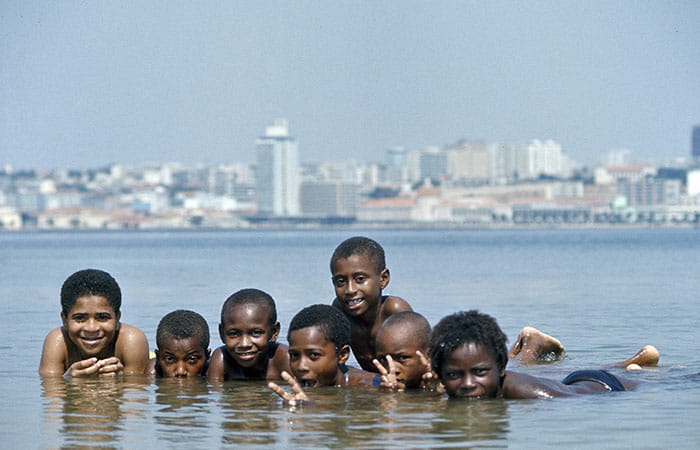
With its $124.6 billion total GDP and $4,101 GDP per capita, Angola is the fifth richest country on the African continent. Its economy relies on the natural oil and gas reserves in the region, but agriculture, diamonds, and hydroelectricity make up a huge part of it as well. It has 32.9 million inhabitants. Thanks to Portuguese colonialism, the local culture has European influences. In fact, Portuguese is still the official language! President João Manuel Gonçalves Lourenço focused on making the country less dependent on oil. This seems to be paying off as various sectors are showing improvements.
Angola
South Sudan
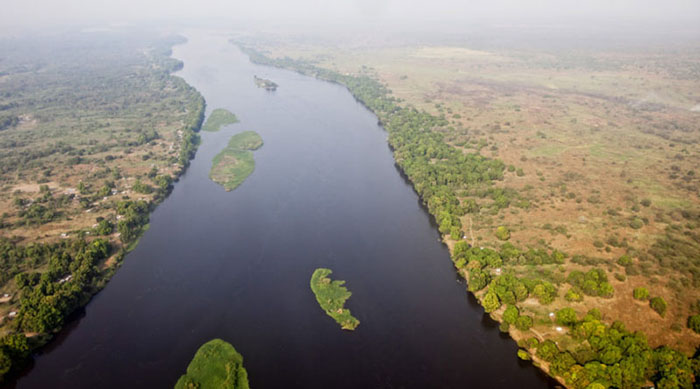
As a nation with an underdeveloped and weak economy, South Sudan is among the poorest African countries. The country has a population of 11.2 million, but only 24% of the inhabitants are literate. It will take some time before this problem is resolved. Its current GDP is $3.15 billion, whereas the GDP per capita stands at $235.52. Sadly, local conditions remain problematic. Many of the populated areas are still plagued with problems such as lack of both electricity and potable water.
South Sudan
Republic of Cameroon
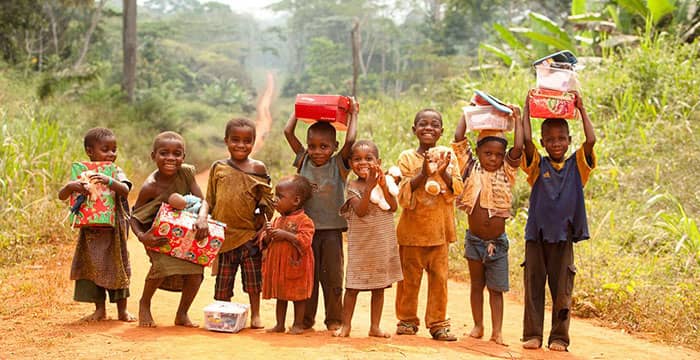
The Republic of Cameroon, with its GDP per capita of $1,537.61, is among the richest in the continent. It currently has a total GDP of $39.22 billion. The economy is highly reliant on oil and agriculture, which seem to be on an upward trend. It helps that the timber reserve is doing well since it makes up 37% of its total landmass. In the past year, the country has been working to improve its infrastructure to further boost its status in the region. Did you know that its Kribi deep-sea port is the first of its kind in Central Africa? It is expected to expand the generation of hydropower.
Republic Of Cameroon
Morocco
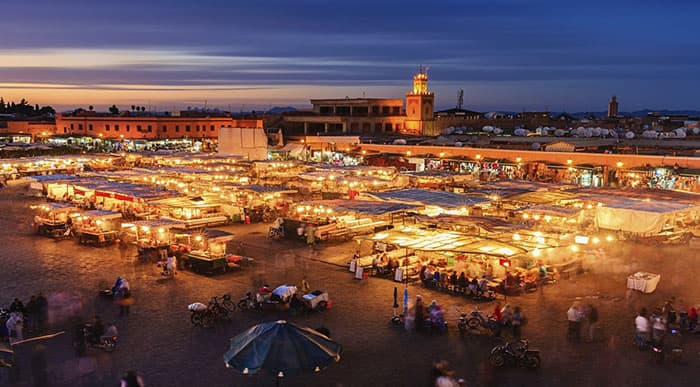
When it comes to African countries, Morocco is the 11th biggest but the 5th richest. It has a $121.35 billion GDP and a $3,410 GDP per capita. There are 36.9 million people living in the North African nation. Its economy is reliant on tourism, cannabis, agriculture, and solar and coal energy. In 2016, a study said that 70% of cannabis in Europe has Moroccan origin. The World Bank said that the country’s economy operated below its potential in 2019. For one thing, the country still exports less than it imports.
Morocco
Egypt
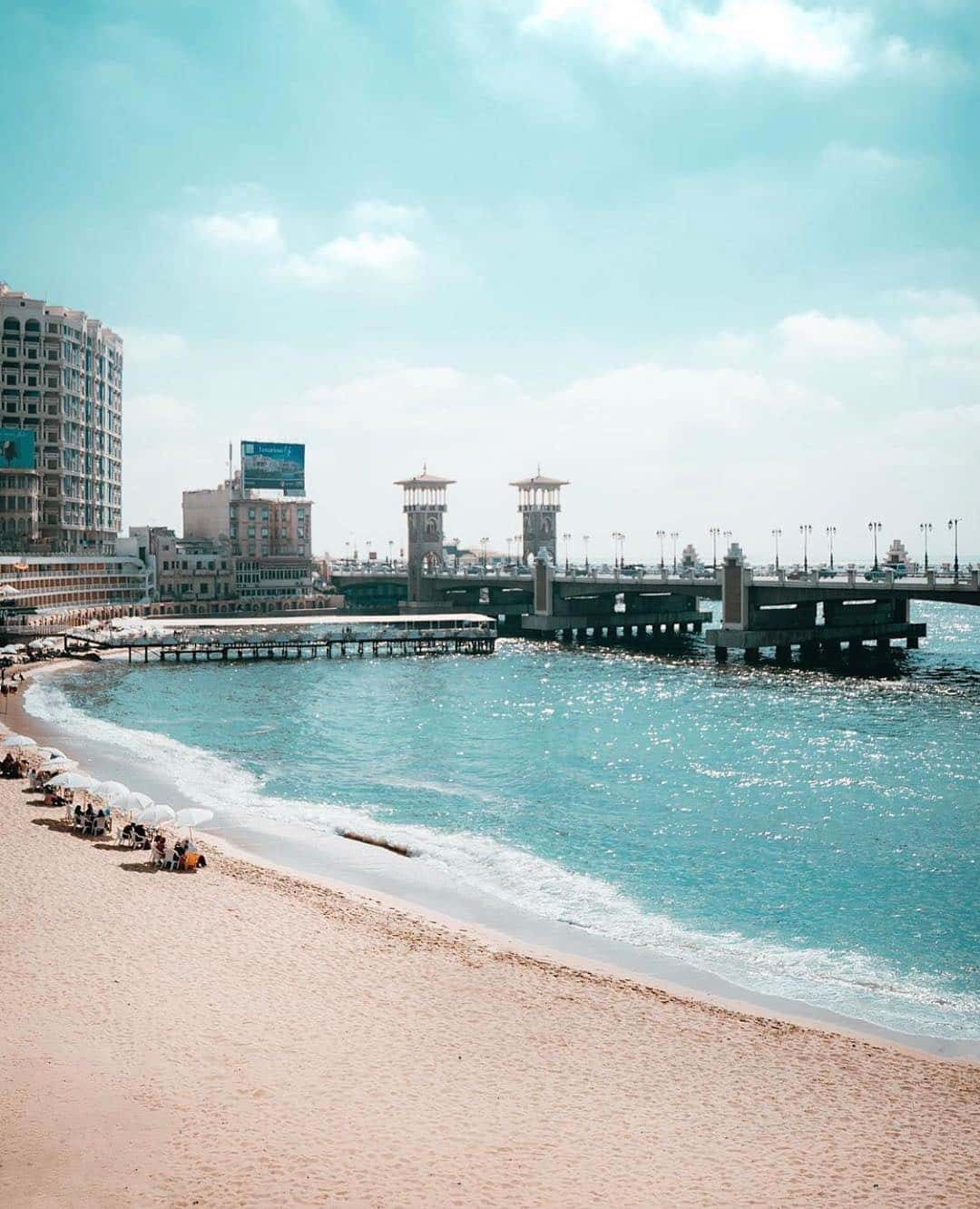
Most people are familiar with the Great Sphinx, the Great Pyramids, and Memphis and Thebes. Egypt has the third biggest economy in the continent with its GDP of $237.03 billion and GDP per capita of $2,500. It has a population of 102.3 million and is the third biggest African country. Its economy relies on natural gas, commerce, tourism, sea transportation, and agriculture. Did you know that it has the biggest oil refinery capacity in Africa? It is believed that things will go well for Egypt as long as we need oil. On top of that, it has seen a boost in its business environment thanks to its improved hard currency.
Egypt
Niger
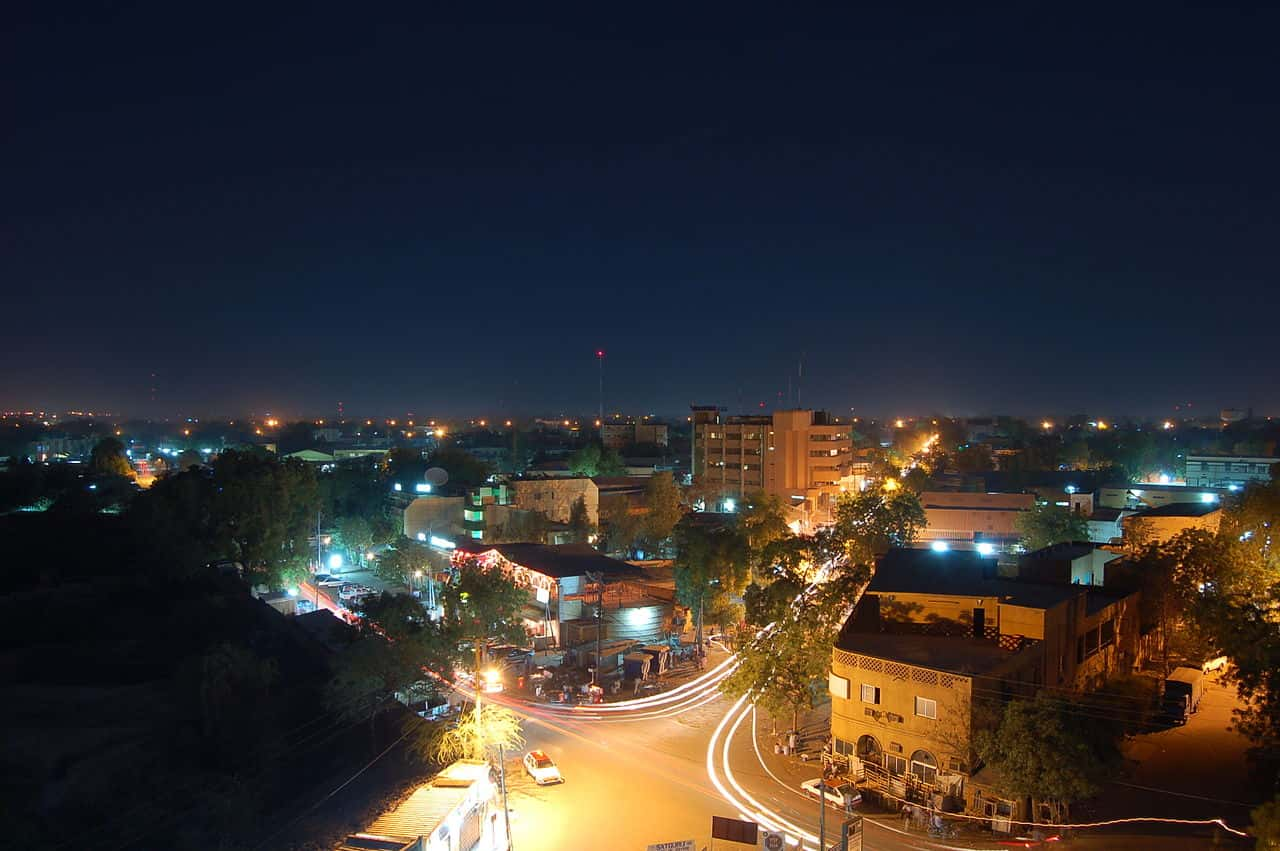
Unfortunately for its 24.2 million inhabitants, Niger is one of the poorest countries not only in Africa but also in the rest of the world. It has a GDP of $9.72 billion, as well as a GDP per capita of $487.68. The economy revolves around agriculture, although it is primarily subsistence agriculture. It has one of the biggest uranium deposits in the world as well. Sadly, the economy has not been improving all that much. It has suffered from rapid population growth, decline of uranium prices, and drought cycles. Even though there are opportunities for growth in mineral exports, the country has yet to capitalize on this.
Niger
Ivory Coast
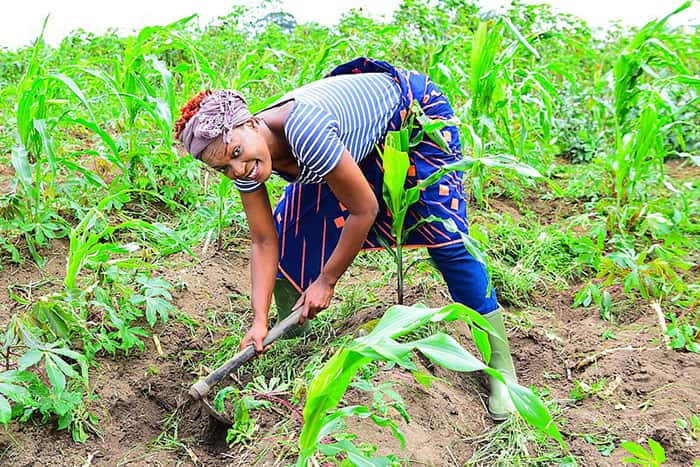
The Ivory Coast has a stable economy that is enjoyed by its 26.4 million inhabitants. Its GDP stands at $45.3 billion, while it has a considerable growth of 8.5% per year. The majority of its residents are involved in agriculture, which is highly impressive to us. Its leading crops are cocoa and coffee beans, which accounts for around 40% of the global production. On the downside, the national economy is affected by the fluctuations of coffee and cocoa prices. We can see why the government wants to diversify the economy, but its efforts have largely failed. Let us see if the pro-business and pro-market reforms are going to help shake things up in the future!
Ivory Coast
Libya
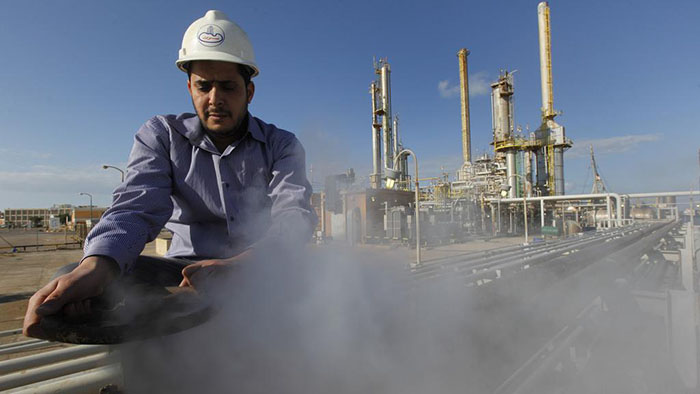
With a small population of 6.87 million inhabitants, Libya is among the smallest African countries. It has a GDP of $44.96 billion, which makes it the sixth wealthiest country in the continent. It also has a GDP per capita of $6,835.62. The majority of its economic growth stems from oil, which makes up more than half of the GDP and around 97% of the exports. The World Bank even called it the “Upper Middle Economy of Africa.” It is difficult to figure out what the future has in store for the country, however. After all, Libya struggles with many things from huge security threats to political instability.
Libya
Uganda
One of the poorest countries on the planet, Uganda has a total GDP of $33.57 billion and a GDP per capita of $828.06. This makes things difficult for its 45.74 million inhabitants, which makes it one of the most populated African nations. The country recently saw changes in its economy, thanks to the protection of its natural resources. Can you believe that 56% of the population lived below the poverty line in 1992? It is reassuring to see that this has since gone down to 25%. In the ‘80s, there was a push to liberalize the economy. Still, things could be improved in more ways than one. In 2019, the country at least saw growth of 6.3%. This can be attributed to the expansion of the industrial and service sectors.
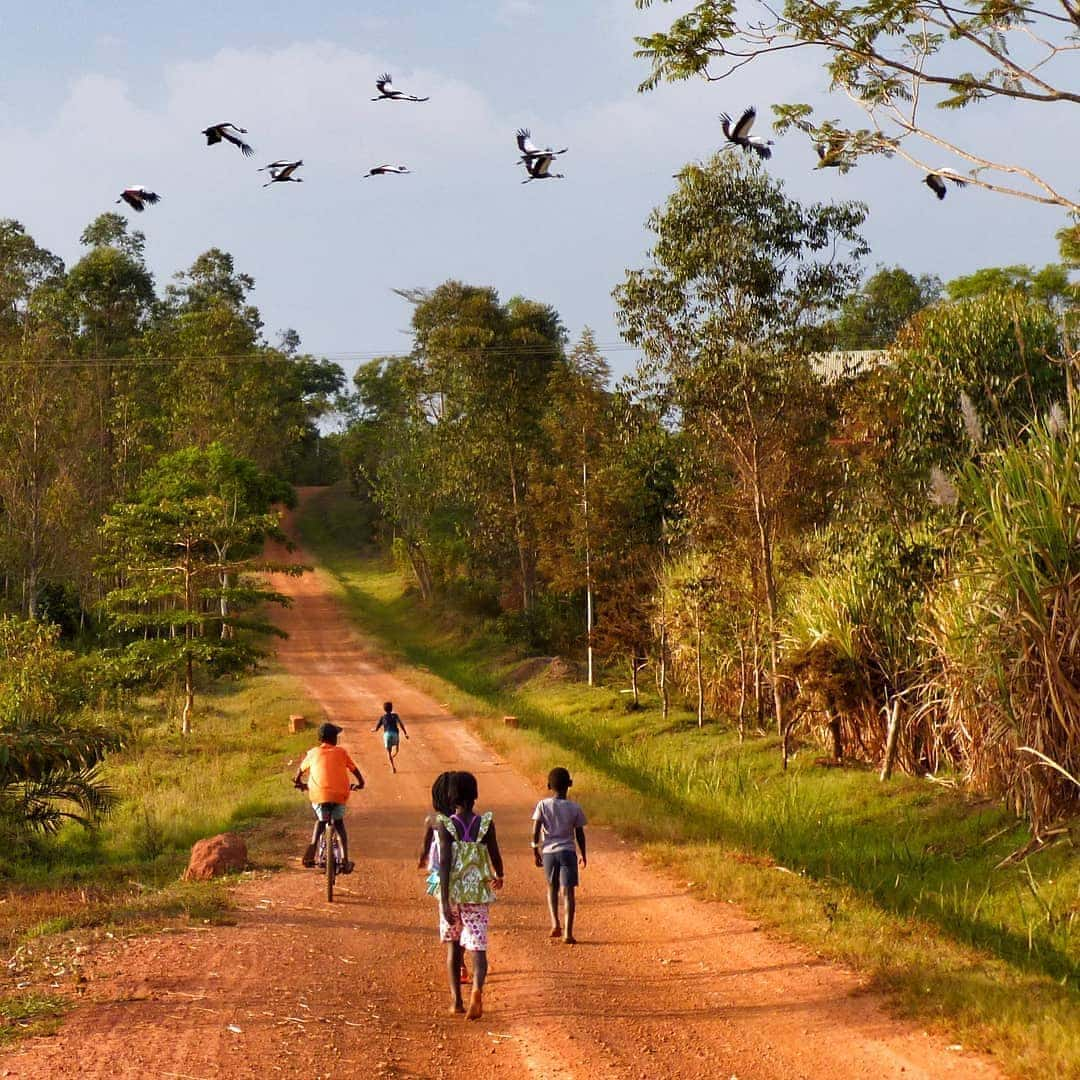
Uganda
The Democratic Republic of Congo
Agriculture, mining, copper, cobalt, forestry, and fishing make up the economy of the Democratic Republic of Congo. While its total GDP is $48.46 billion, it is not very impressive when you consider the fact that it has a huge population of 89.56 million people. Its GDP per capita is only $495.08, which explains why it is among the ten poorest countries in the continent. With its mixed economy, there is still hope for the country. The African Development Bank Group said that its growth went from 5.8% to 4.3% from 2018 to 2019. The country is suffering from low productivity and energy shortages.
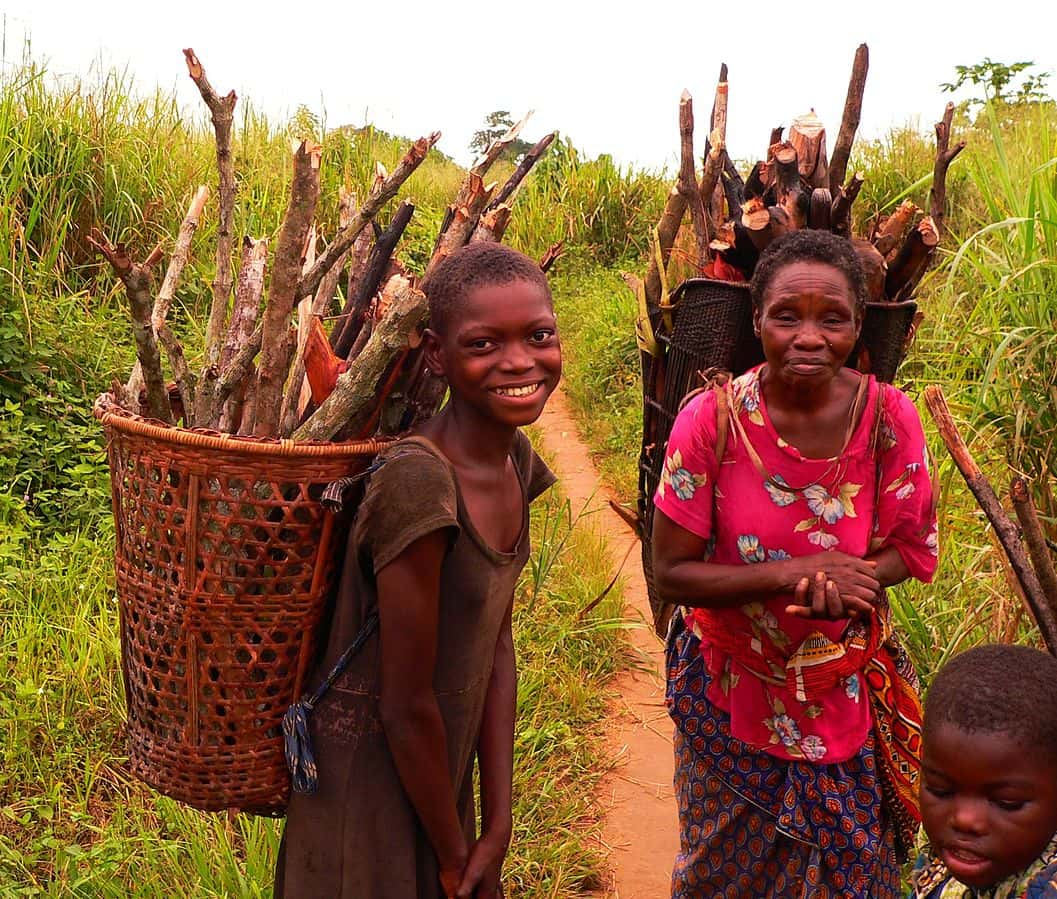
The Democratic Republic Of Congo
Tanzania
Known as one of the most gorgeous places in Africa, Tanzania has a pretty high GDP at $61.03 billion. This makes it the tenth wealthiest country in the continent. It is the sixth most populated country with 59.73 million inhabitants. The GDP per capita is quite impressive at $1,172. The economy of the country relies on agriculture, although it is quite diversified. Tanzania has seen a steady growth of 6.8% in 2018. The country is reaping the benefits of significant public spending, strong investment growth, improved private consumption, and a boost in exports. On top of that, other sectors such as mining, construction, services, tourism, and manufacturing are all doing well.
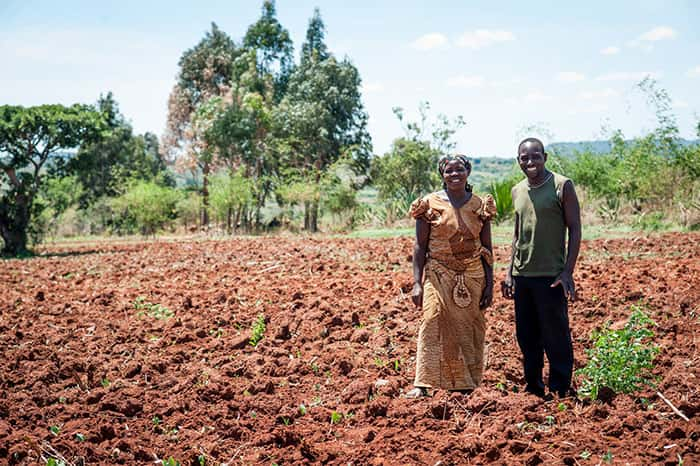
Tanzania
Sudan
With 43.85 million inhabitants, Sudan is the tenth most populated African country. It also happens to be the seventeenth richest thanks to its $31.47 billion GDP. This puts the GDP per capita at $728.06. The economy of the country was deemed the 17th fastest growing one in the world thanks to its oil and gas. It improved its GDP, as well as its reliance on agriculture. Did you know that Sudan is one of the biggest exporters of peanuts and cotton on the planet? There have been a lot of doubts about its growth in the future thanks to the economic uncertainty. Currency shortages exacerbate these doubts, but so far so good.
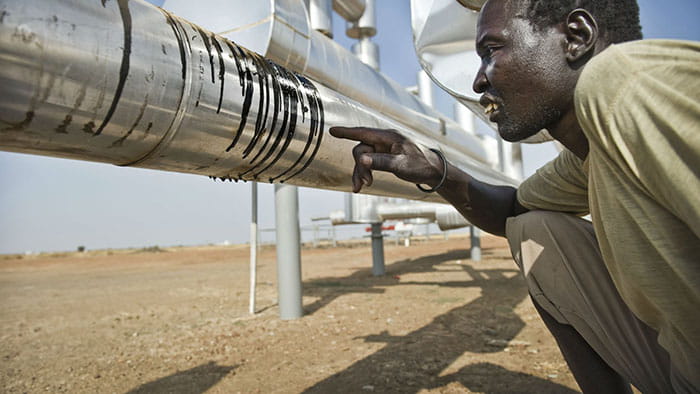
Sudan
Malawi
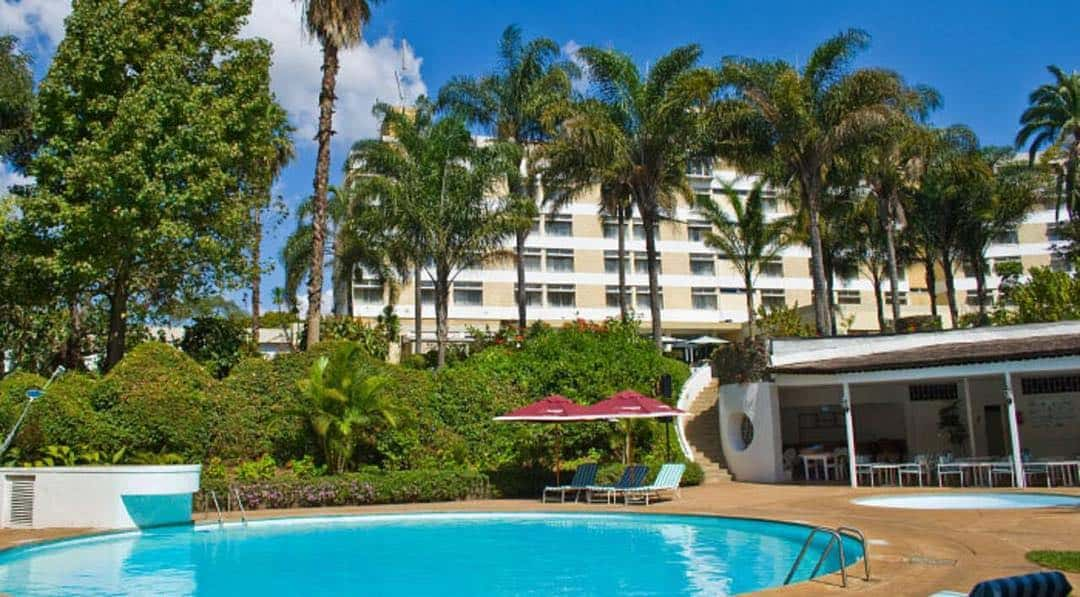
The economy of Malawi relies on agriculture, which makes sense since 90% of the population lives in rural areas. This landlocked country boasts 19.13 million inhabitants. The United Nations considers the southcentral African country a least developed country or an LDC. Its total GDP is believed to be $7.44 million, which means that it has a very low GDP per capita of $366.53. The agriculture sector is dominated by the manufacture and export of tobacco. Together with the export of tea, coffee, and sugarcane, it accounts for the vast majority of its total export revenue. Its tourism has also seen a significant growth in the past decade. It struggles to connect with other African nations, but it is striving to move forward in creative ways. Its GDP growth has grown significantly from 2018 to 2019, after all.
Malawi
Algeria
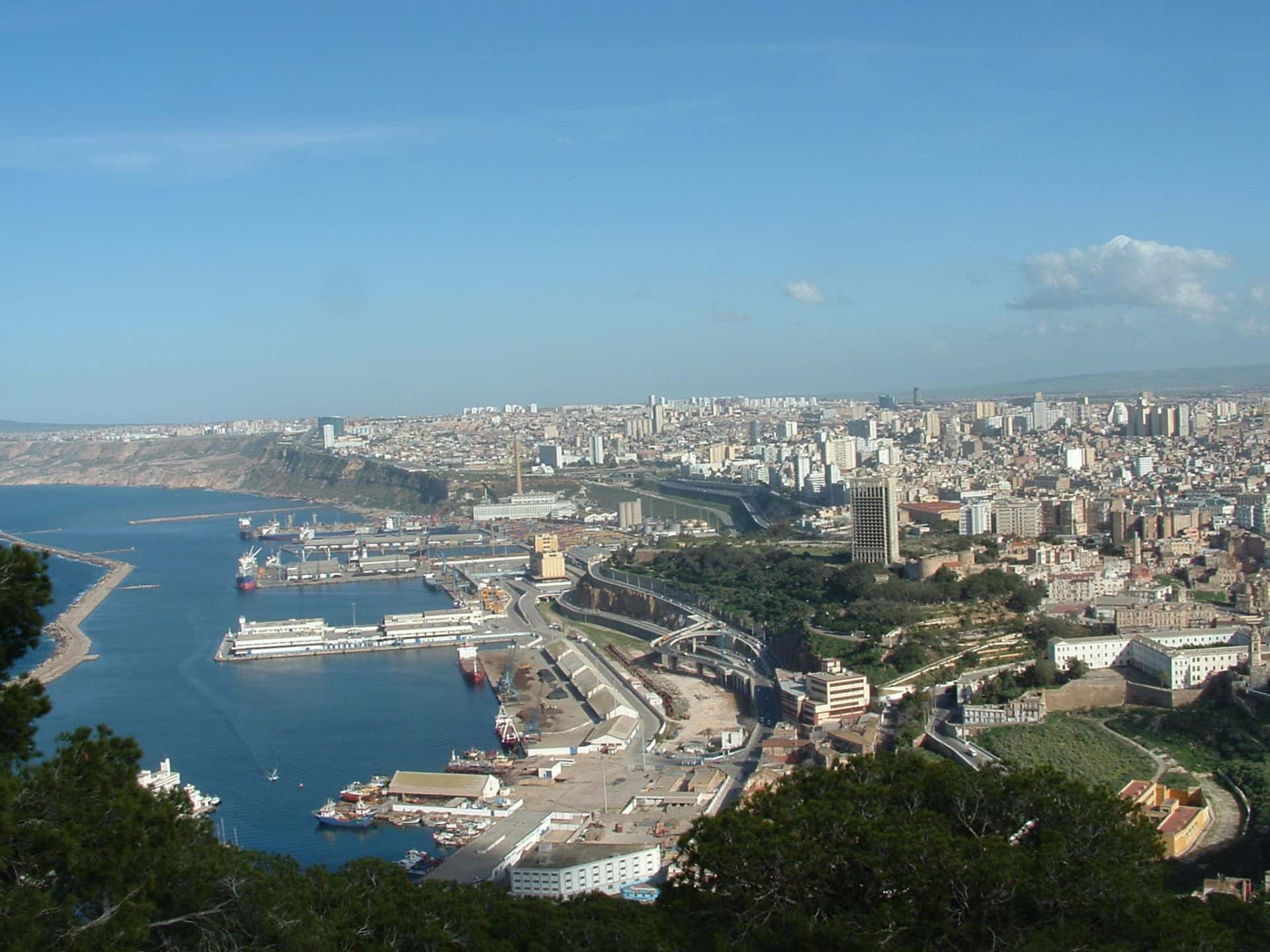
This country primarily relies on gas and fossil fuel for its economy. As a matter of fact, nearly all of its exports have to do with gas and fuel. With its $183.69 billion GDP and GDP per capita of $4,229.78, it is among the five wealthiest countries in the region. It has been heading towards sustainable development to make more jobs and resolve its housing shortages. The economy relies on various sectors that seem promising. We are talking about fishing, baking, tourism, and agriculture! Hydrocarbon also makes up 34.2% of the total GDP but went down to below 19% and brought down the GDP growth to 2.3%. We hope that things improve in the near future.
Algeria
Senegal
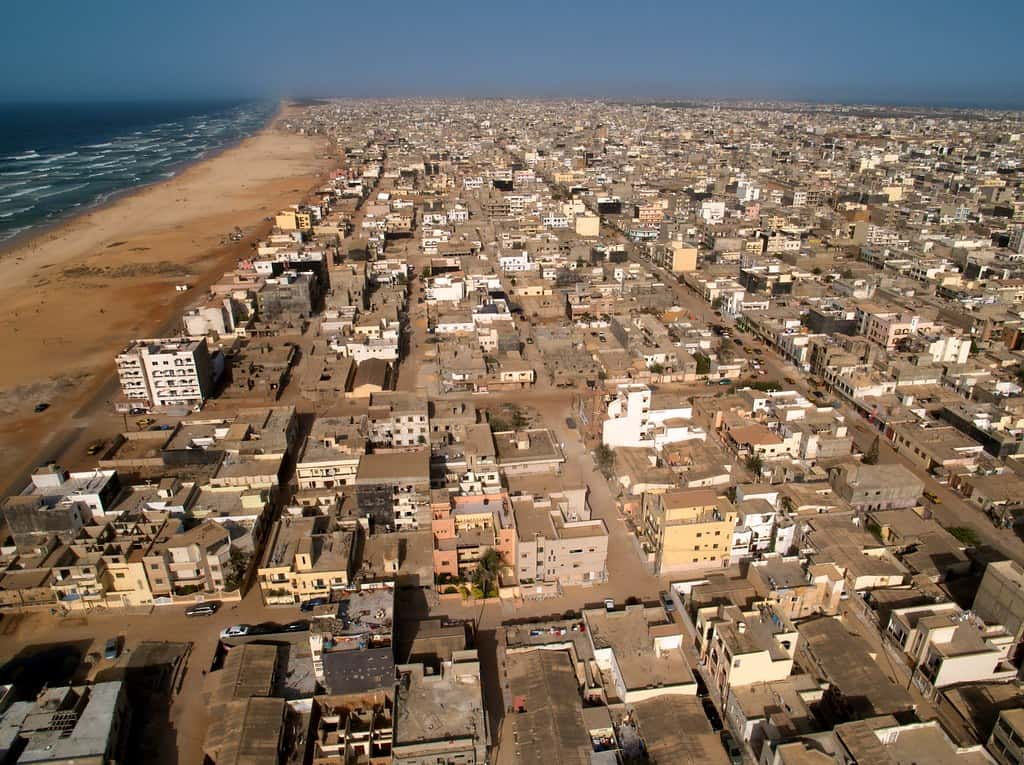
Sadly, Senegal is not blessed when it comes to natural resources. This is the reason its economy is reliant on agriculture, fish, and tourism. With its $25.32 billion GDP and 16.74 million inhabitants, its GDP per capita stands at $1,510.20. The country depends on tourism, which is an important component of the economy. This has made the government invest in its tourism infrastructure by pouring money into national parks, nature reserves, and historic sites. The country has been enjoying tourists from different parts of the globe thanks to this! It looks like the future is bright for the country.
Senegal
Tunisia
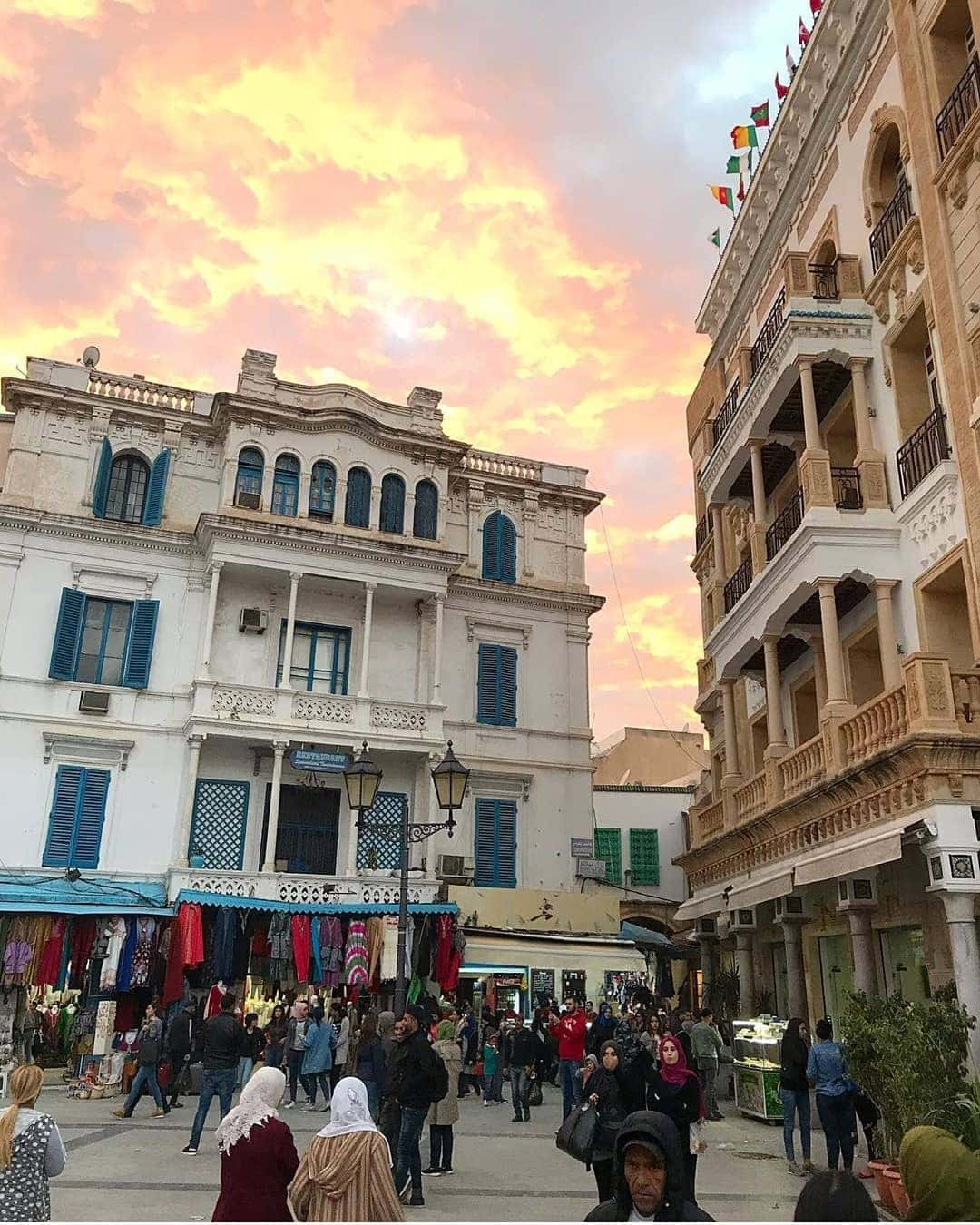
At the moment, Tunisia is undergoing a lot of reforms. This has been happening for a couple of decades by now. The economy initially saw a huge boost, but it is now experiencing moderate growth. The country has 11.8 million inhabitants and a GDP of $36.2 billion. This explains why the GDP per capita is $3,072. Even though its economic situation has improved, it is still trying to rebuild. About 15.5% of the residents live below the poverty line, while 14.7% are out of jobs. We are glad to hear that the government is trying to fix the unemployment issue. It has introduced policies in the hopes of improving foreign currency reserves and limit subsidies and deficits. The economy primarily revolves around tourism with 7 million visitors per year. Let us keep our fingers crossed for the North African country!
Tunisia
Madagascar
While there is growing interest and potential in Madagascar, its tourism sector is still underdeveloped. Compared to its neighbors, it enjoys fewer visitors. This sucks since the country is attractive thanks to the locals and its forests. The government is working on improving the industry, but this is proving to be difficult. The country also relies on agriculture, mining, and textile. With its population of 27.69 million, the country has a GDP of $12.73 billion. The GDP per capita is therefore $470.67. The people in charge want to develop a working capital market, but the corruption in the country is making things difficult.
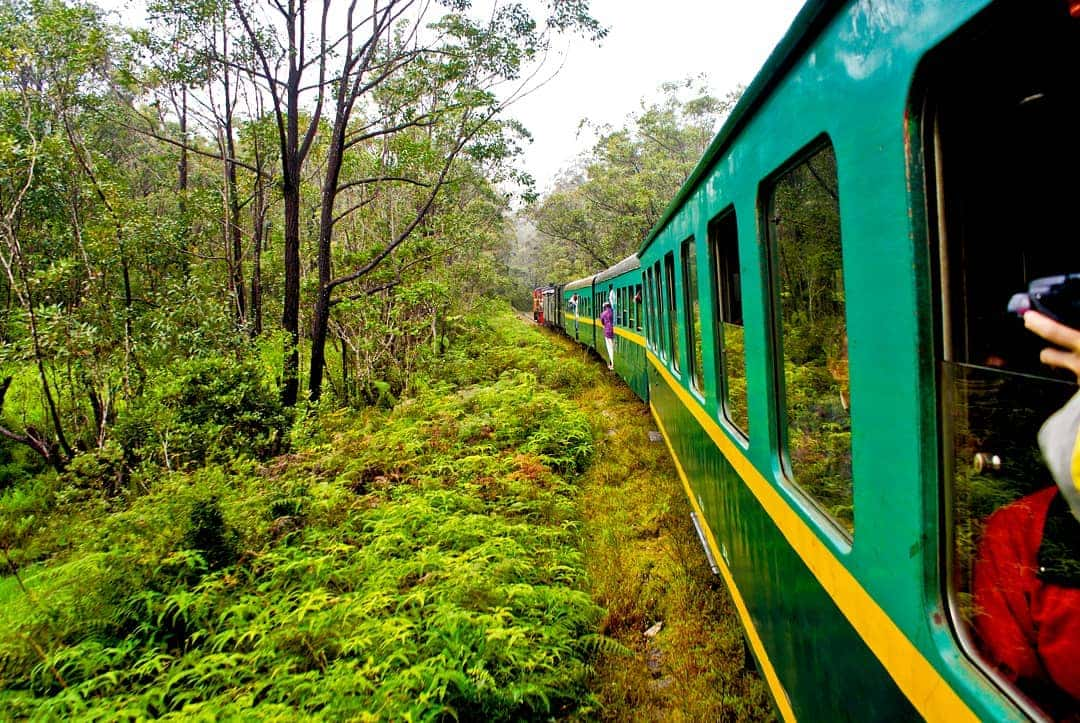
Madagascar
Seychelles
Ever since it gained independence, this island nation in the Indian Ocean experienced a GDP increase. It is currently $1.65 billion, which is not as big as the others. However, we want you to know that it is better than it sounds since Seychelles only has 98,347 inhabitants! This means that its GDP per capita stands at a whopping $17,154. The economy of the country is focused on fishing and luxury tourism. In the late ‘90s and early ‘00s, the government decided to improve its fishing and agriculture sectors to stop its reliance on tourists and to diversify the economy. They clearly made the right by doing this.
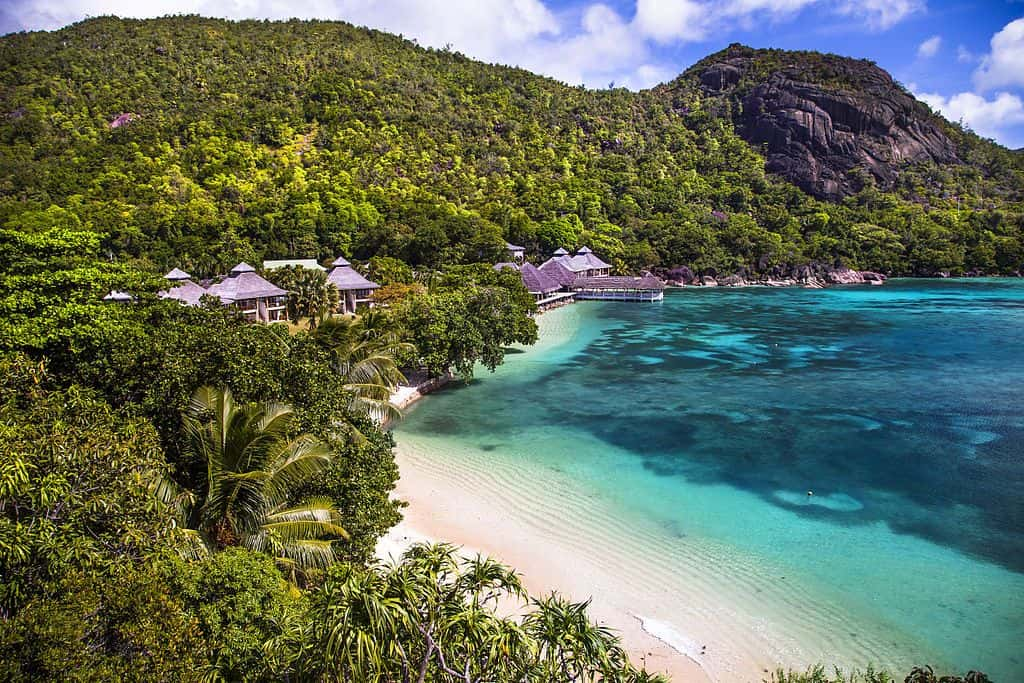
Seychelles
Ethiopia
With its population of 114.96 million inhabitants, Ethiopia is the second most populated African country. Its GDP is $90.97 billion, which makes it the eighth richest African country. It does not produce oil, but it is doing well thanks to its agriculture, coffee, gold, cattle, and leather. The nation is doing great at producing energy with its 14 major rivers. It has also seen a boost in the involvement of the private sector, which seems to be helping the country. Its goal is to be a manufacturing hub in the future.
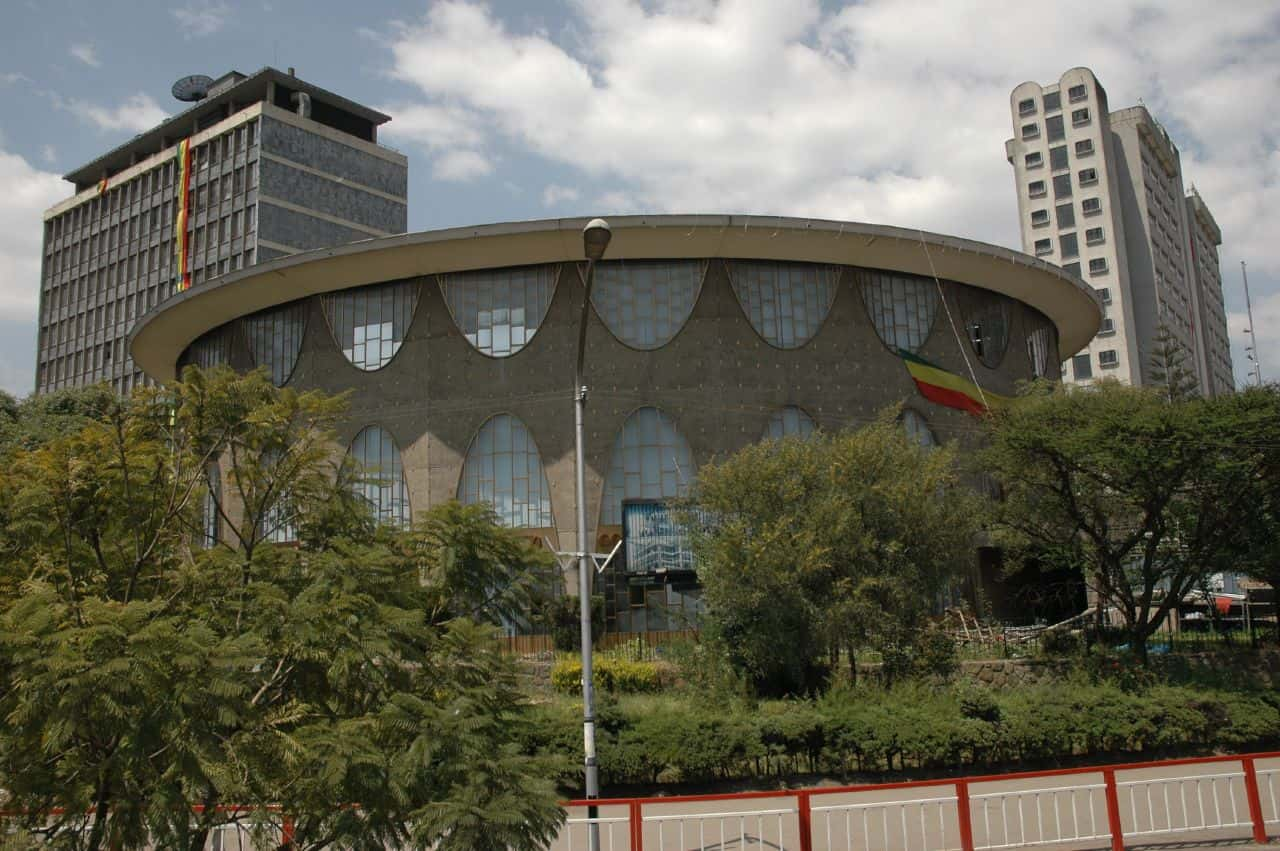
Ethiopia
Zambia
The economic growth of Zambia is one of the most rapid ones in the continent thanks to its urbanization rate. Even though it is growing significantly, it is still deemed a poor country since its GDP per capita stands at $1,344. The country has 18.38 million inhabitants and a GDP of $24.6 billion. Sadly, around 60.5% of the locals live in poverty. Agriculture is an important sector in the country since it offers more employment opportunities than mining does. The main crops are cereals, although it also produces sugar, cotton, and soybean. Right now, the country is still reeling from the effects of donor aid suspension from 2018. It happened after the embezzlement of millions from social welfare grants. The country now focuses on the private sector to improve the state of its infrastructures.
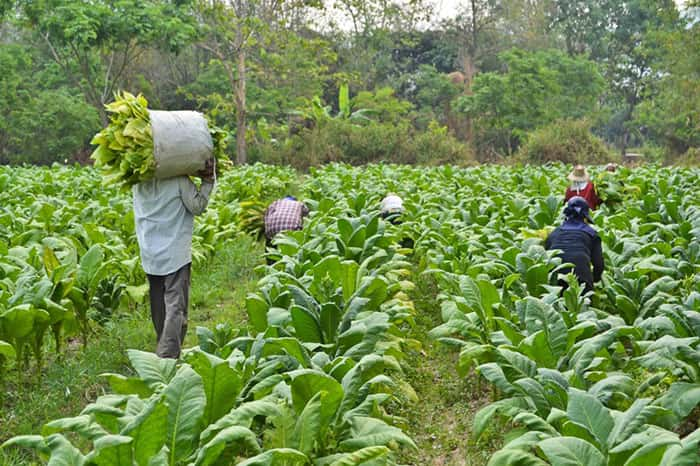
Zambia
South Africa
The southernmost African country boasts 59.31 million inhabitants. The diverse country is considered the second wealthiest nation in the continent with its GDP of $371.27 billion and GDP per capita of $6,331. Its economy is primarily based on agriculture, tourism, mining, telecommunications, and automotive manufacturing. Sadly, the country still suffers from high unemployment and poverty despite everything. In fact, South Africa has one of the highest income inequality rates in the whole world.
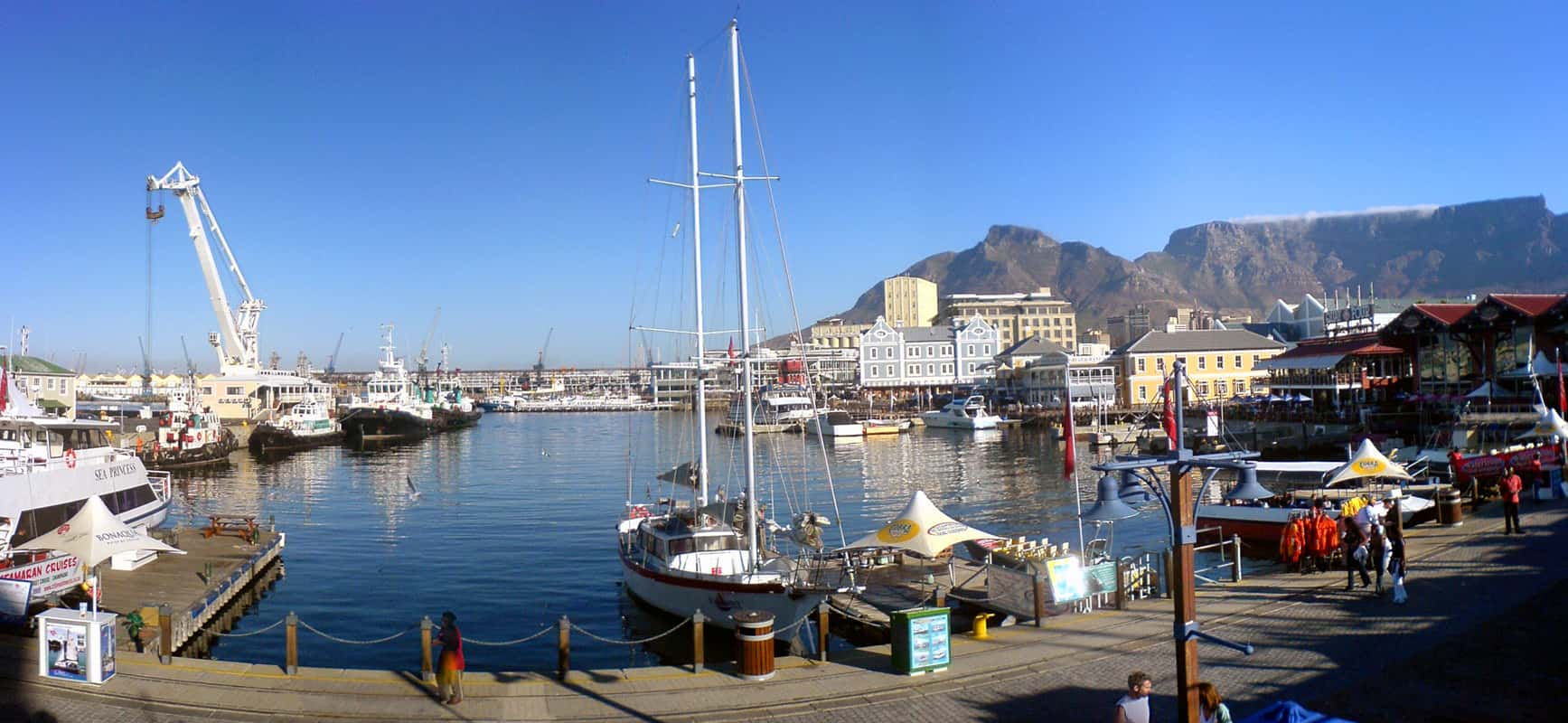
South Africa
Zimbabwe
There was a time when Zimbabwe was known for its cotton and wheat crops. In the early 2000s, the economy of the country has gone down significantly. With a population of 14.86 million inhabitants and a GDP of $22.3 billion, the GDP per capita stands at $1,423. The Zimbabwean dollar has also suffered from hyperinflation. There was a time when 100 billion Zimbabwean dollars was equal to one US dollar. After trying to fix this mess, the country just abandoned it altogether in 2009. The country has since been using foreign currencies and reforming its economy. There is no guarantee that the government is going to succeed, but we hope that things improve soon!
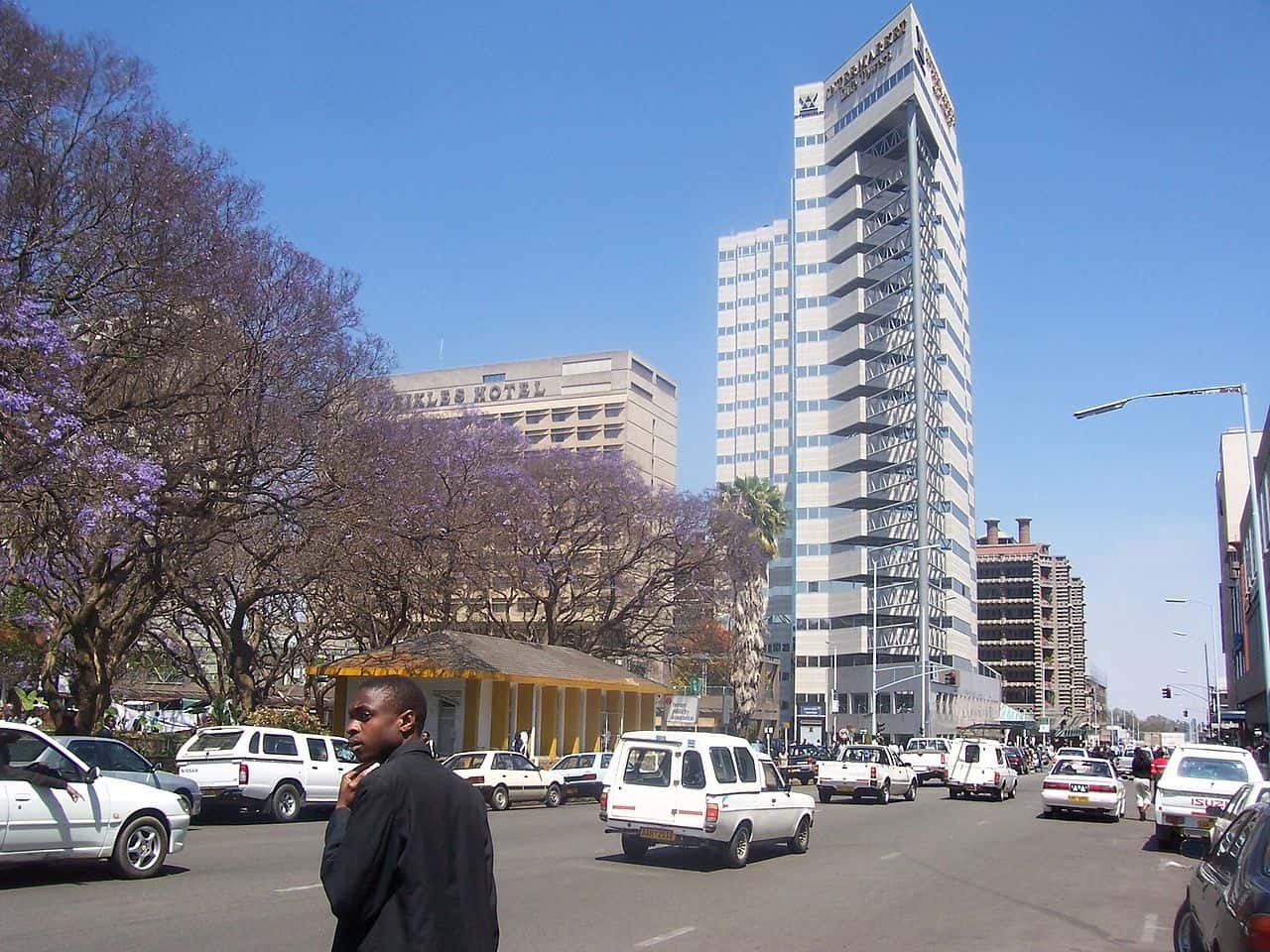
Zimbabwe
Ghana
The total GDP of Ghana happens to be $68.26 billion. It has a strong economy that makes it ninth when it comes to the highest GDP in the continent. Its GDP has gone up thanks to the management plans put into motion to address the problems of the country. It has a lot of natural resources that the government uses for income. The country has 31.07 million inhabitants and a GDP per capita of $2,262. The economy continues to grow, as is evident by the fact that its estimated GDP growth was 7.1% in 2019. Things have been consistently going well for the country ever since 2017.
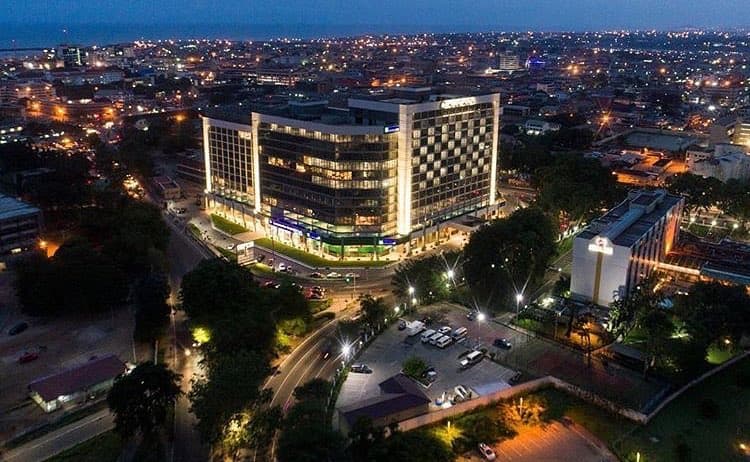
Ghana
Kenya
This eastern African country has 50.95 million inhabitants and a GDP of $99.25 million. It has the ninth highest GDP in the continent! The World Bank considers it a “middle income” country thanks to its GDP per capita of $2,011. It has a market-based economy, a couple of government-owned infrastructures, and a liberalized trade system all at the same time. Kenya also happens to have ports in the Indian Ocean. The growth of the country can be attributed to the mining, tourism, and fishing sectors. However, agriculture is what takes the cake since it makes up around 75% of the workforce! In particular, coffee and tea are the main products of the country. Investments and household consumption also drive the economy up.
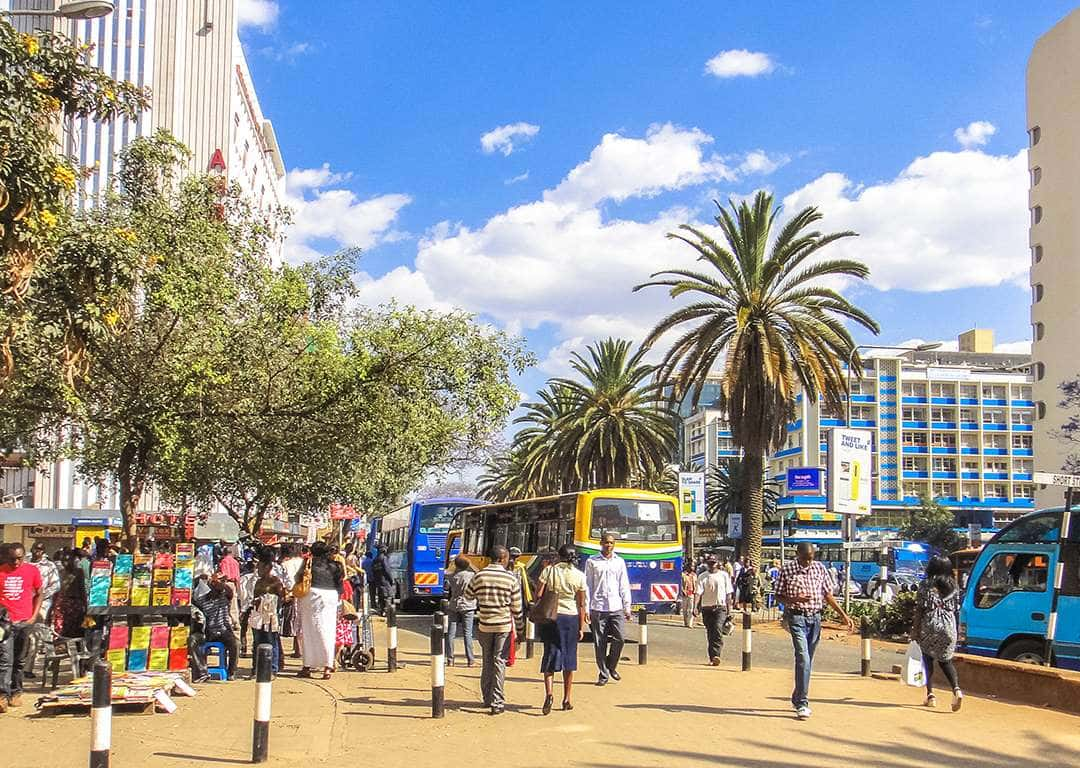
Kenya
Nigeria
Have you guessed which country is the richest one in Africa? It happens to be none other than Nigeria. The country has 206.14 million inhabitants and a GDP of $444.92 billion. This means that it has a GDP per capita of $2,233! The West African country has a mixed economy emerging market. The World Bank has deemed it lower middle income. Its economy is reliant on energy and commerce. Did you know that it is also the biggest trading partner of the United States in the African continent? It actually supplies the United States a fifth of its overall oil production. Nigeria is the 12th biggest oil producer and the 8th biggest exporter. Agriculture also has a huge part in its economy since about 30% of the population work in this sector. In 2019, the country saw a lot of growth in the fields of oil, information, transport, communications technology.

Nigeria