
Restaurant franchises have become part of consumer culture in the US in the last few decades. Chains like Friday’s, Outback, Applebee’s, Red Robin, Chili’s, and others dominate mall and highway locations, but it seems that for every success story, countless other chains fail. Some now-defunct restaurant chains rose to great heights prior to dropping down to earth, while others were never able to really get off the ground. Let’s take a look at some of the iconic restaurant chains that many people might not even remember and some that you might still cruise by the next time you go on a road trip.
Iconic Restaurant Chains That You Might Not Remember
Howard Johnson’s
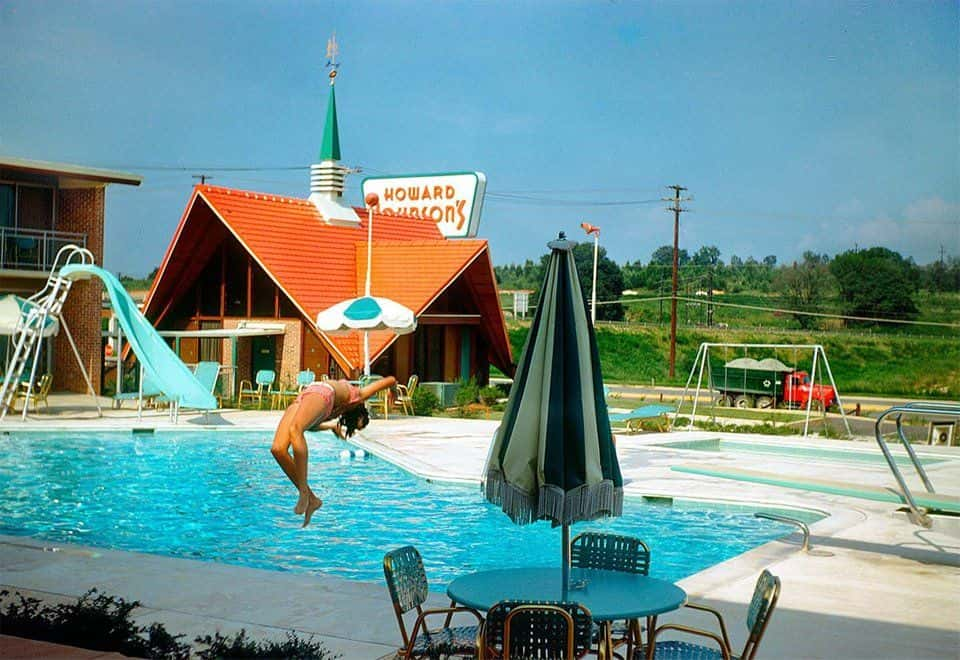
Launched in the 1920s, the Howard Johnson’s grew along with the car culture in America. By the 1960s, more than 1,000 of the distinctive orange roofs of the restaurant/hotel chain dotted American highways. However, they disappeared within a few decades. The hotel part of the business had been sold off and still exists in name but it does not have the classic design elements HoJo. The restaurants, on the other hand, died a slow death, and as of 2017, only one Howard Johnson’s is still in business.
Howard Johnson’s
Sambo’s
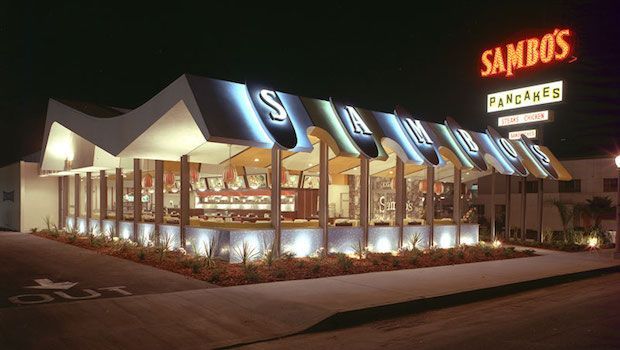
The first Sambo’s restaurant opened in 1957. The name of the chain became controversial although the company claims the chain’s name was a portmanteau of the names of founders Sam Battistone and Newell F. Bohnet. According to the company, it is not a reference to Sambo, which can be used derogatorily to mean African Americans, but the fact that the restaurants’ decor displayed the racist caricature of Li’l Black Sambo did nothing to help their cause. Despite the chain having around 1,000 locations at its height, the company closed in the ’80s since it was dogged by the controversy. Denny’s purchased most of the locations, and the rest were shut down.
Sambo’s
Kenny Rogers’ Roasters
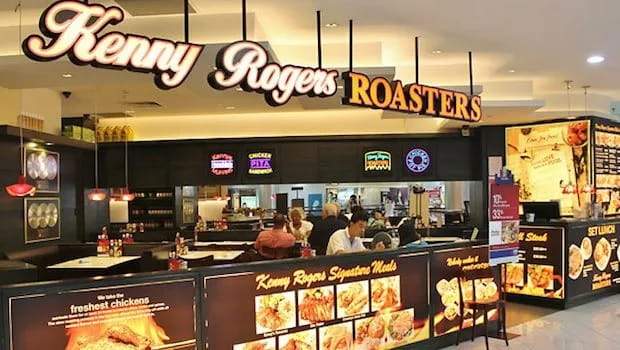
Country singer Kenny Rogers and business partner John Y. Brown launched this chicken chain in the year 1990. The food was popular, but they never really broke into the market. In 1998, Nathan’s bought the restaurants. However, a classic Seinfeld episode immortalized the chain.
Kenny Rogers’ Roasters
Minnie Pearl’s Chicken
Minnie Pearl’s Chicken is now a cautionary story for franchisees. In the ‘60s, businessman John Jay Hooker and country singer Minnie Pearl teamed up to launch a restaurant chain with her name. It was initially a success, and there were almost 500 locations at one time. However, the food was sabotaged by the lack of cohesion in the menu or recipes, and within a couple of years, the entire franchise fell apart.
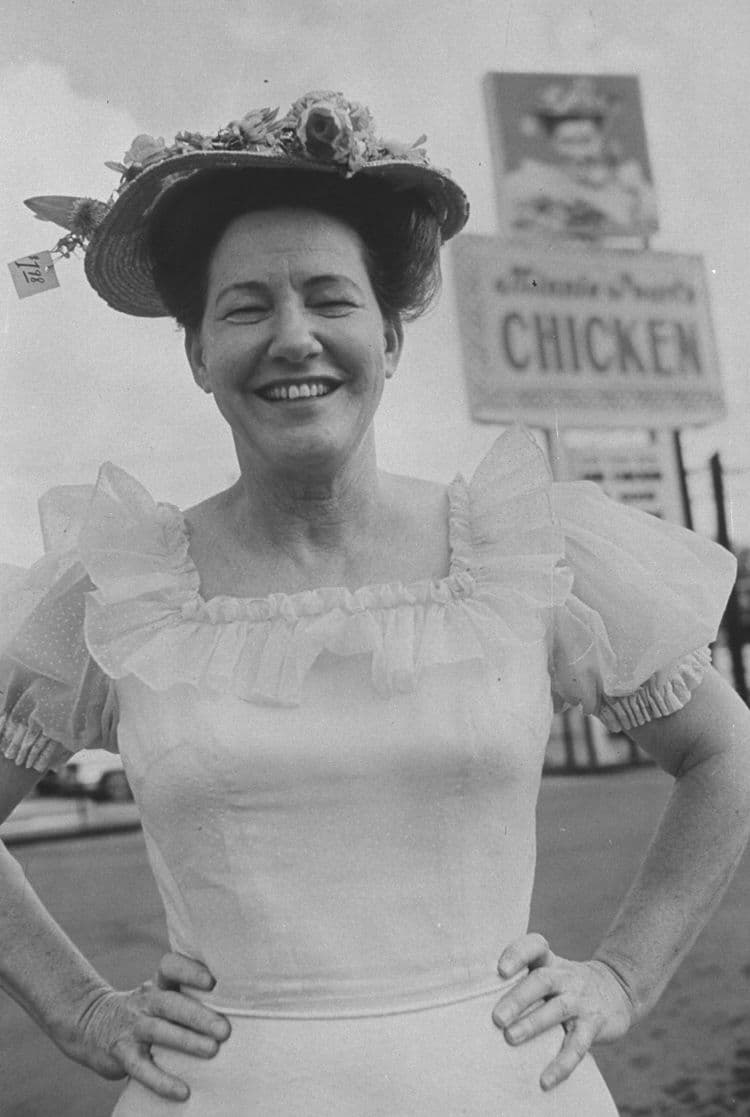
Minnie Pearl’s Chicken
The All-American Burger
This regional fast-food joint that was established in Southern California became famous when it got featured in the popular 80s teen movie Fast Times at Ridgemont High. However, in 2010, the last west coast location of this All-American Burger chain closed. On the east coast, there is one establishment in Massapequa, Long Island that uses the same name and logos. It has been operating since 1961 and continues to serve delicious burgers.
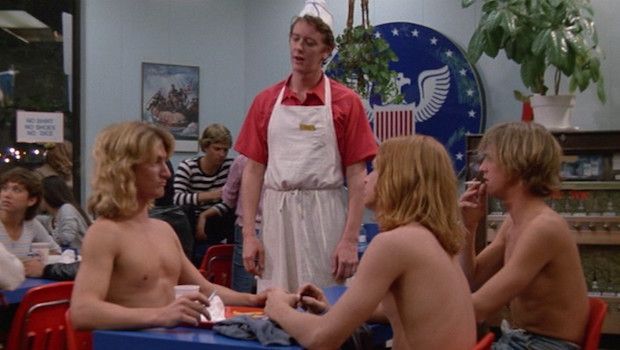
The All-American Burger
White Tower
White Castle opened back in 1921, and it is the first ever fast-food chain that became popular. As is the tendency in business, numerous imitators soon opened, and White Tower was one of these knockoffs. John E. Saxe and son, Thomas, opened White Tower and copied White Castle’s style, advertising, menu, and even architecture. White Tower had 230 restaurants at its height, but the chain died when White Castle took legal action, and they were forced to make significant changes.
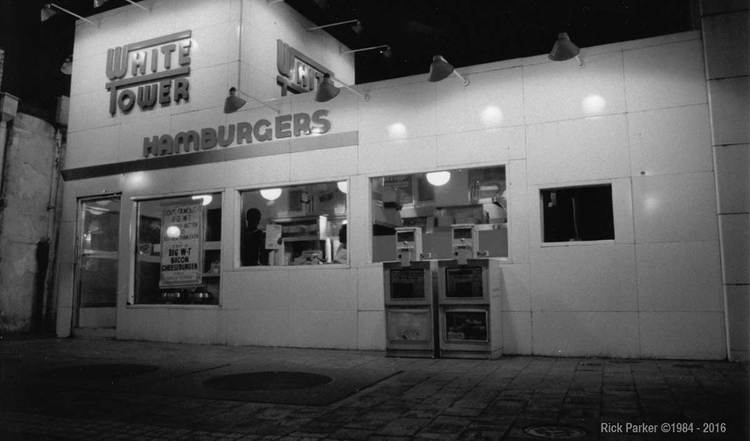
White Tower
Chi-Chi’s
In the 1970s, NFL star Max McGee and Marno McDermitt launched Chi-Chi’s, which quickly grew since it introduced a rudimentary menu consisting of Mexican-style food to different American towns. However, as Mexican restaurants became more popular and more varied, Chi-Chi’s started to die out. The franchise died in 2003 when an outbreak of Hepatitis in the food supply caused three customer deaths.
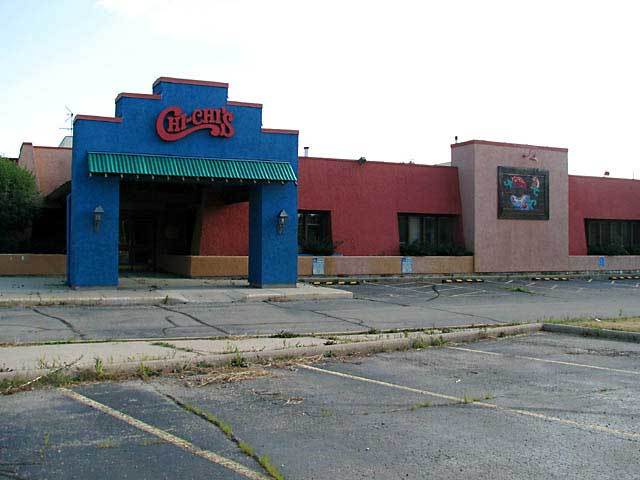
Chi-Chi’s
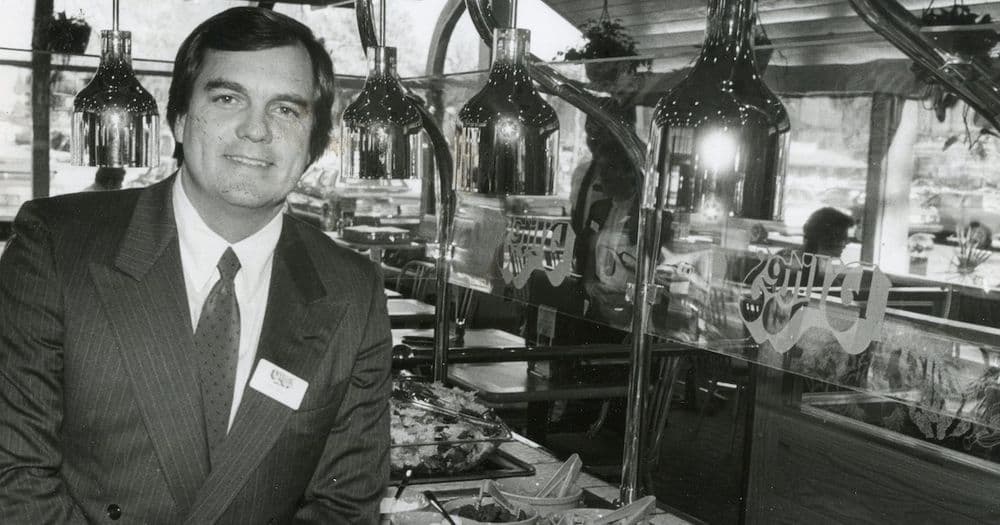
Lum’s
In 1956, Lum’s was launched in Florida by brothers Stuart and Clifford Pearlman. At one point, the chain had 400 locations, which was supported by its popular “beer-steamed” hot dogs and probably its distinctive glass-doored storefronts. Eventually, KFC purchased the chain for $4 million from the Pearlmans. The brand was phased out, and the final Lum’s closed in 2009.
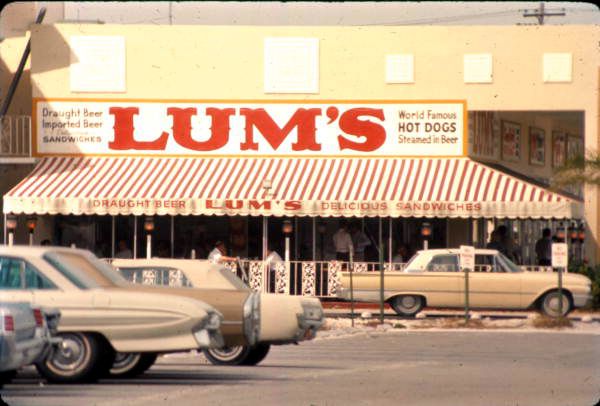
Lum’s
Steak and Ale
Much like Chi-Chi’s, Steak and Ale was a trailblazer and introduced an entire concept to the American marketplace — cheap steak and a salad bar. The concept was a tremendous immense success, but the chain failed because of its own success. Taking the model and improving upon it, competitors outperformed Steak and Ale, which led to the chain closing its final locations in the early 2010s. Legendary Restaurant Brands (the current owners of Bennigan’s), however, has bought the Steak and Ale name, and it appears they are poised to bring back the brand according to their statement on their website: “Once revered for its succulent Prime Rib, warm bread and bountiful salad bar, Steak and Ale is poised for an epic comeback. Redefined as a 21st Century polished-casual concept, while retaining the signature elements that made it an American classic, the new Steak and Ale will once again set the standard for affordable steakhouses. Guided and supported by an expert operations and management team, qualified franchisees have the opportunity to generate immediate consumer loyalty by bringing back a beloved restaurant blessed with decades of goodwill and brand equity. The new Steak and Ale, offering a polished casual experience at a casual dining price point, is positioned for phenomenal growth.”
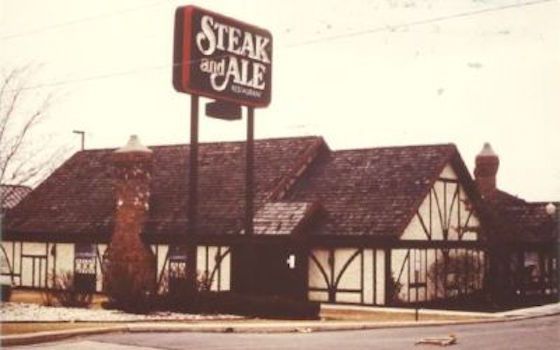
Steak and Ale
Valle’s Steak House
Valle’s Steak House became popular for lobsters and steak. This East Coast chain saw good business from 1933 up until the millennium. However, the weakened economy which came after the gas crisis in the 1970s sealed the doomed destiny of Valle’s. It seems to have been missed, though, as evidenced by sales of the chain’s artifacts on eBay.
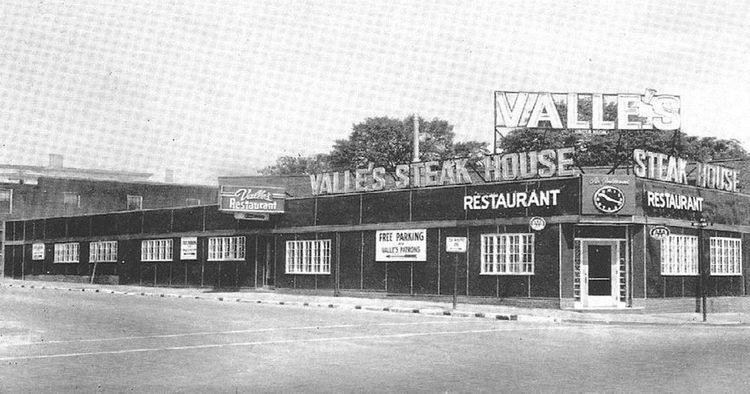
Valle’s Steak House
Gino’s Hamburgers
Gino Marchetti, the Football Hall of Famer, opened Gino’s Hamburgers in 1957. In the 1970s, there were more than 300 Gino’s Hamburgers locations, and Marchetti also had the franchise rights of Kentucky Fried Chicken in the states in the Mid-Atlantic. Marriott bought the chain in the early ‘80s, and the hotel chain soon turned the Gino’s Hamburgers into Roy Rogers. In 2010, Marchetti went back to the restaurant business and opened up a new Gino’s location.
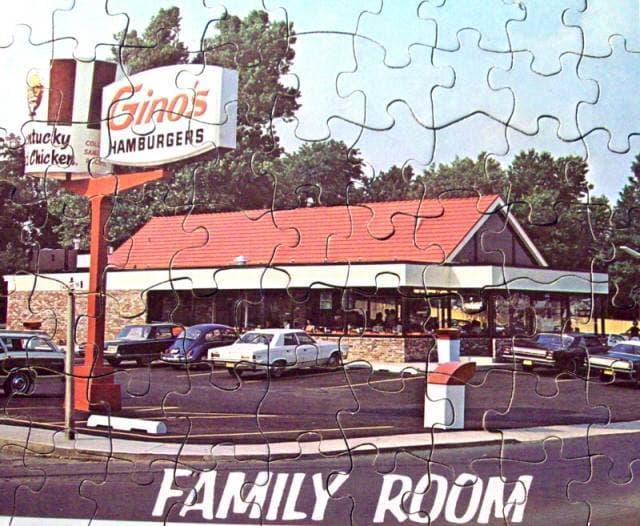
Gino’s Hamburgers
Burger Chef
Burger Chef rivaled McDonalds and had more than 1,000 locations at one point. Also, the chain introduced several staples to the fast-food industry, such as kids’ meals with toys. Nevertheless, bad business practices doomed them, and Hardee’s bought Burger Chef back in 1981.
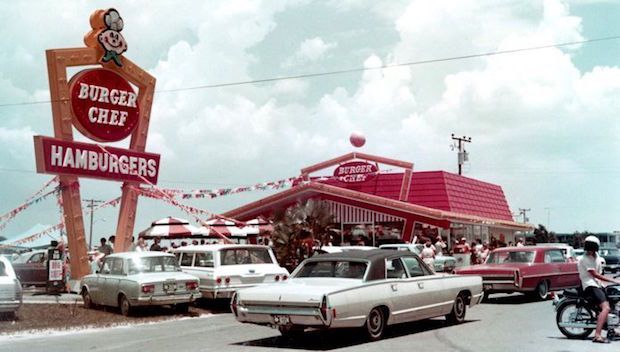
Burger Chef
Mr. Steak
This chain of steakhouses was popular in the 1970s. Unfortunately, these steaks weren’t juicy enough to keep ahead of the competition from upstart steakhouse chains, such as Stuart Anderson’s Black Angus and the California-based Sizzler. In 1987, Mr. Steak folded after bankruptcy. The chain had almost 300 locations all over the U.S. at its peak.
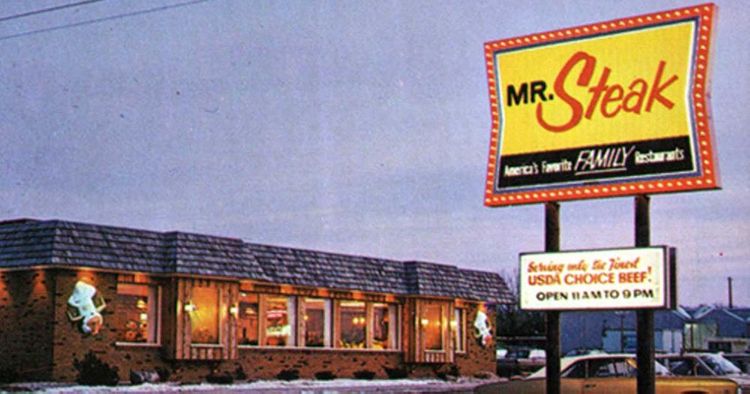
Mr. Steak
Bob’s Big Boy
The double-decker burgers that Bob’s Big Boy serves and its iconic mascot became an American highway staple in the 20th century. These days, the chain continues to hold on in around 100 locations in the Midwest and California.
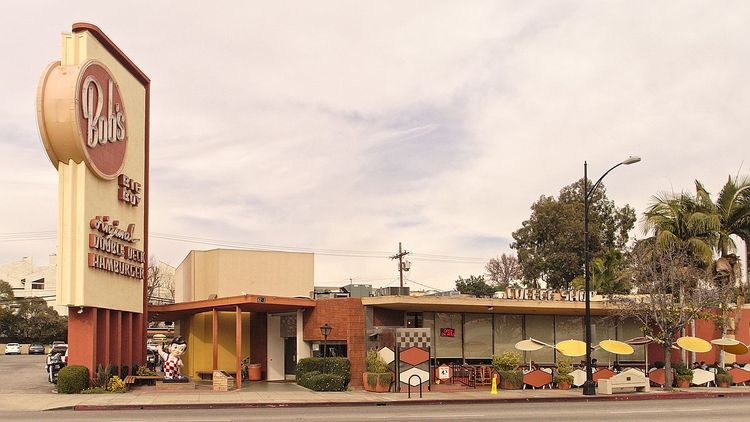
Bob’s Big Boy
Bennigan’s
One of the first casual dining or sports-bar chains in America, Bennigan’s always failed to keep pace with similar concepts from contemporaries Chili’s, Applebee’s, and Friday’s. Bennigan’s was sold a number of times, and in 2008, the chain filed for bankruptcy. There are 23 locations in the U.S which are kept open by new ownership.
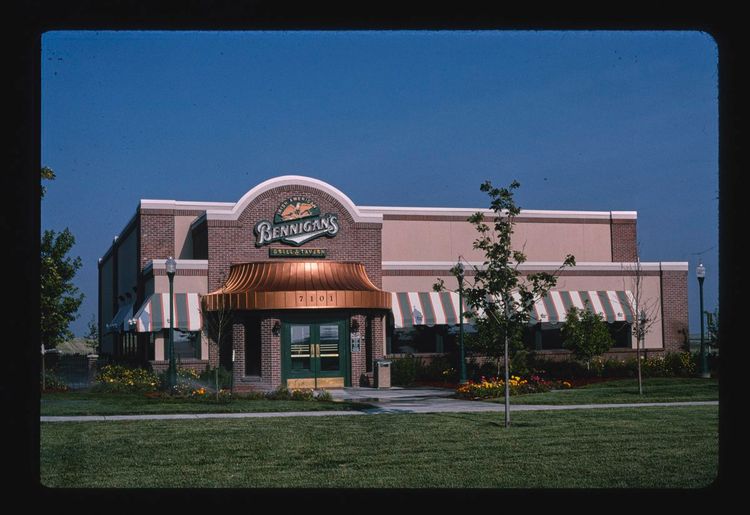
Bennigan’s
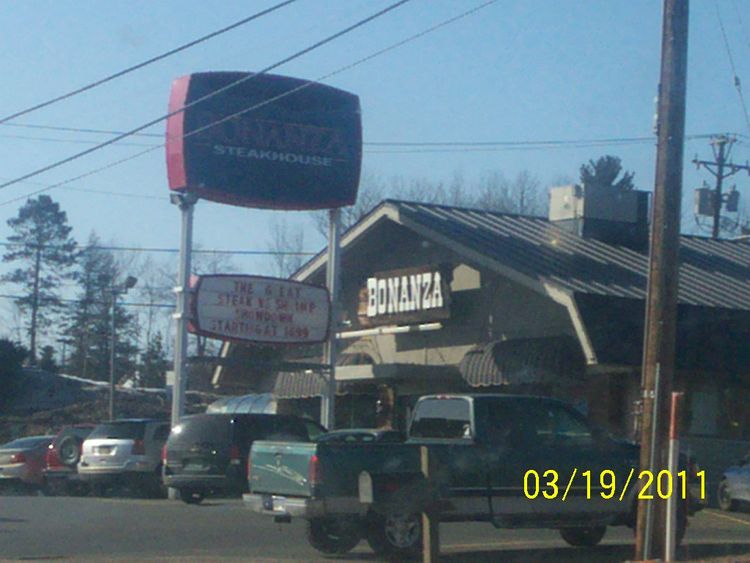
Ponderosa Steakhouse and Bonanza Steakhouse
The same parent company now owns Ponderosa and Bonanza Steakhouses. The total of both once stood around 600 in the United States, but today, that number is down to around 80.
Ponderosa Steakhouse and Bonanza Steakhouse
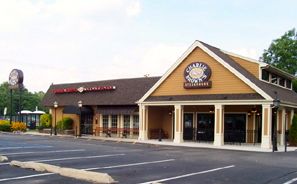
Charlie Brown’s Steakhouse
In the 1980s and 1990s, Charlie Brown’s was a regional chain that was quickly growing. It originated from New Jersey. While the corporation has gone out of business, some franchise owners have remained open.
Charlie Brown’s Steakhouse
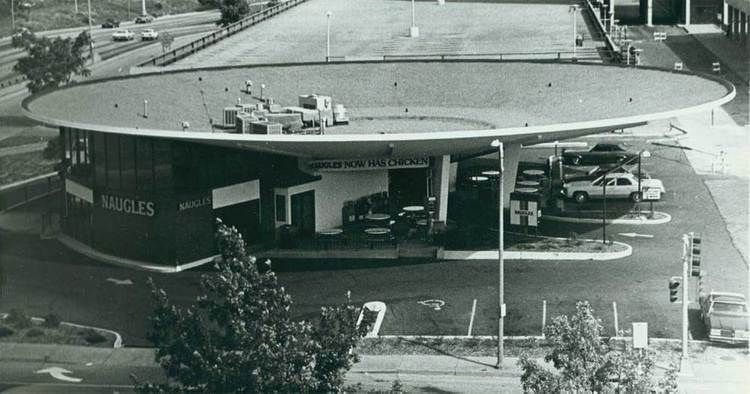
Naugles
Naugles’ 25-year run from 1970 to 1995 is quite respectable. The Mexican fast-food establishment had locations across the United States, and it had a charming motto: “Prepare food fresh. Serve customer fast. Keep place clean!” By the mid 1980s, it had 225 locations, but in 1995, the final one closed its doors (it was in Carson City, Nevada). Entrepreneur Christian Ziebarth, however, revived the restaurant in 2015, and there are now two locations in California.
Naugles
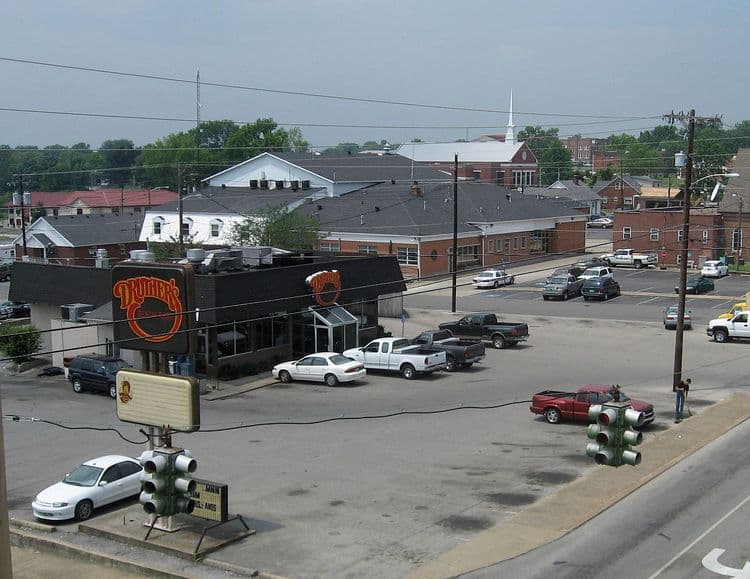
Druther’s
Also known as Burger Queen, Druther’s was a restaurant chain which operated between 1963 and 1981. The burger/fried-chicken joint is based in Louisville, Kentucky, and its mascot was Queenie Bee, a giant bee. Andy Dandytale was another of its characters that was targeted at kids. The restaurant’s motto, “I’d Ruther Go to Druther’s Restaurant,” definitely has the feel of old-school slogans. The restaurant chain is long defunct, but one location is still open in Campbellsville, Kentucky.
Druther’s
Henry’s Hamburgers
Back in the ‘50s, restaurant industry businessmen attempted to mimic the success that McDonald’s had, and thus establishments like Henry’s were born. From the 1950s up to the 1970s, Henry’s was one of the biggest players. By the early ‘60s, it had over 200 locations — more than McDonald’s had that time. However, failure to adapt to changes in the industry, competition from other burger chains, and a controversy which involved horse meat use are all cited as possible factors of the rapid downfall of the chain. Today, the Henry’s in Benton Harbor, Michigan is the only one that remains.
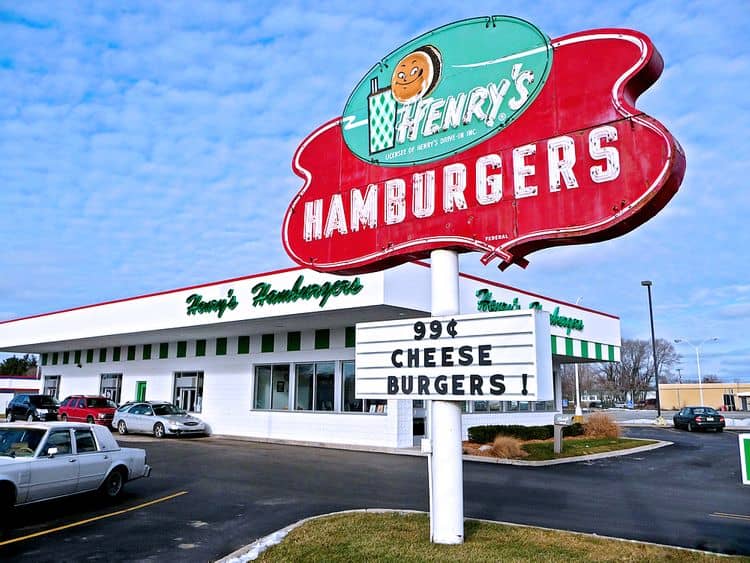
Henry’s Hamburgers
Pup ‘N’ Taco
Pup ‘N’ Taco’s menu was really diversified – you could get tacos, hot dogs, hamburgers, and pastrami sandwiches. In 1965, the first restaurant opened and success came soon after that. By 1973, it had 62 locations. Taco Bell purchased 99 Pup ‘N’ Tacos in California in 1984, but three stores in Albuquerque were not part of the sale. Two of the three went by “Pop ‘N’ Taco” (pictured) and they eventually closed in the 2010s.
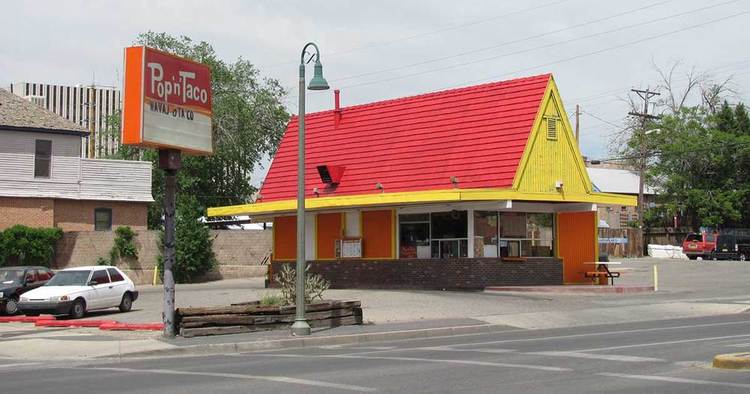
Pup ‘N’ Taco
D’Lites
This fast-food restaurant had quite an unusual tactic for selling itself – it used its nutritional value. D’Lites boasted about hamburgers made with lean beef, buns high in fiber, and low-calorie cheese. It was founded in 1978 and by 1985, it had more than 100 locations. However, success was fleeting, and the company stopped franchising and filed for bankruptcy in 1986. A year later, Hardee’s bought 90 percent of D’Lites restaurants.
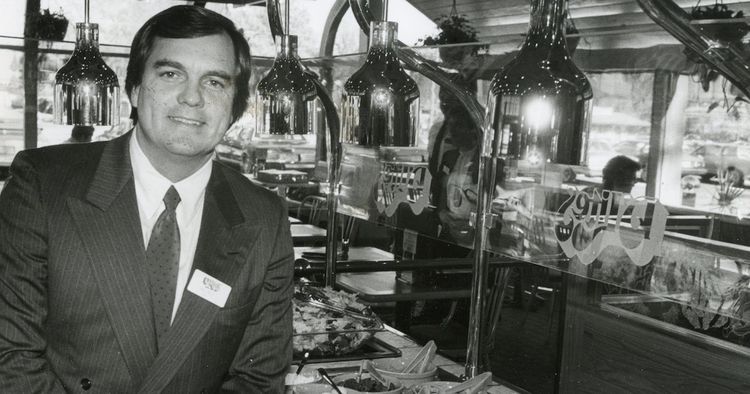
D’Lites
A&W Drive-Ins
The fast-food restaurant chain A&W Restaurants, Inc. has become synonymous with root beer floats and draft root beer. Its “frosty mugs” were the most popular. It was founded in 1919, which means it is one of the oldest chains (noted for having introduced drive-thru service) in the country. It is set to carry on that legacy once it opens more locations than it ever closed down initially. It is nice to have A&W back.
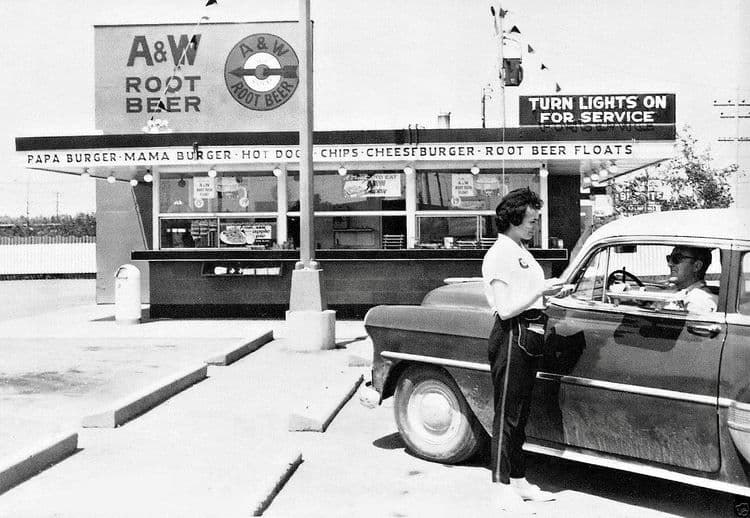
A&W Drive-Ins
Carrols Restaurants
It might be hard to believe, but fast food existed before Burger King and McDonald’s. The OG of burger dining, Carrols had the Club Burger. You could buy special Looney Tunes glasses as well as hamburgers which were once 15 cents (in the ‘60s, but still!) When Burger Kings openend up around Carrols turf, the founder Herb Slotnick ended up giving in to the tough competition and transformed Carrols locations into Burger Kings too. What a whopper shame!
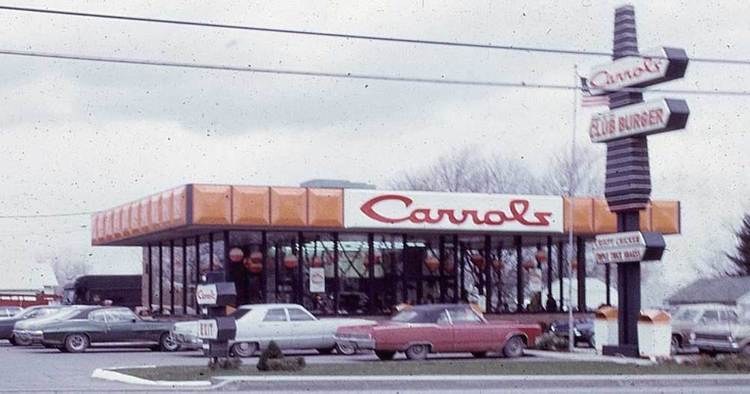
Carrols Restaurants
Wetson’s
Herb Wetanson was a Long Island-native who founded the Wetson’s burger chain. He was inspired to start his own restaurant after he saw the original McDonald’s on a California road trip. Wetanson, with the help of his family, opened the first Wetson’s in Levittown in Long Island back in 1959, and the chain with its 15 cent hamburgers were initially a massive success. However, in the 1970s, the chain had a tough time when McDonald’s and Burger King did an aggressive expansion in the New York market. By the time the decade ended, Wetson’s had become just a memory.
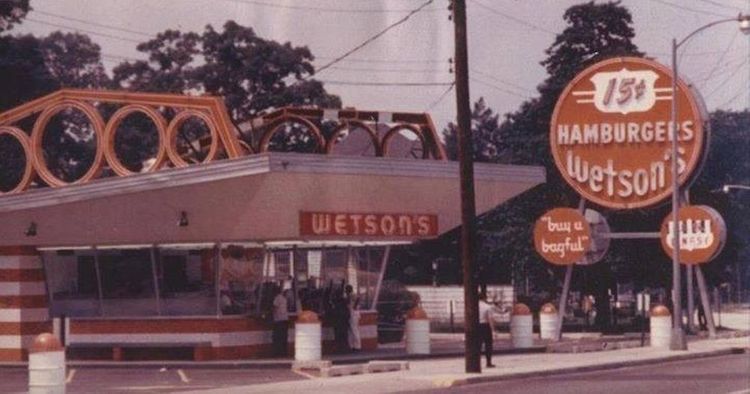
Wetson’s
Rax Roast Beef
Throughout the restaurant chain’s history, Rax Roast Beef has had several names. It was originally named Jax Roast Biff and was also called Rix Roast Beef at one point. The largest period of success that Rax had was in the ‘80s, when salad bars and other type of food stations were introduced. Rax was briefly one of the more successful chains in the country, but mismanagement and other issues plagued the company in the early ‘90s. As of 2017, only a few Rax restaurants are still in operation.
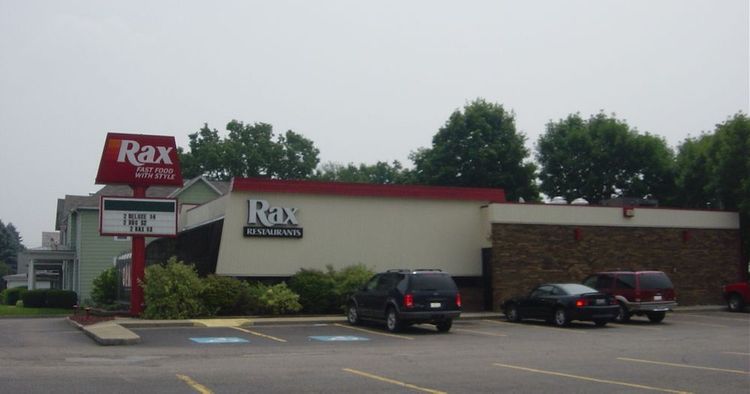
Rax Roast Beef
Claudia Sanders, The Colonel’s Lady
The best way to describe Claudia Sanders, The Colonel’s Lady is by calling it the restaurant franchise which never was. Harlan Sanders, founder of Kentucky Fried Chicken, had sold off his interest in the franchise (although he kept his spokesperson role) by the mid-1960’s. Then, Sanders and his wife opened a sit-down restaurant which served his chicken and called it Claudia Sanders, The Colonel’s Lady. While the couple thought of expanding the restaurant into different locations, the owners of KFC hit the couple with a lawsuit. Eventually, both parties reached a settlement which allowed the Sanders’ to carry on selling the chicken at a location in Shelbyville, Kentucky. This restaurant is still open today.
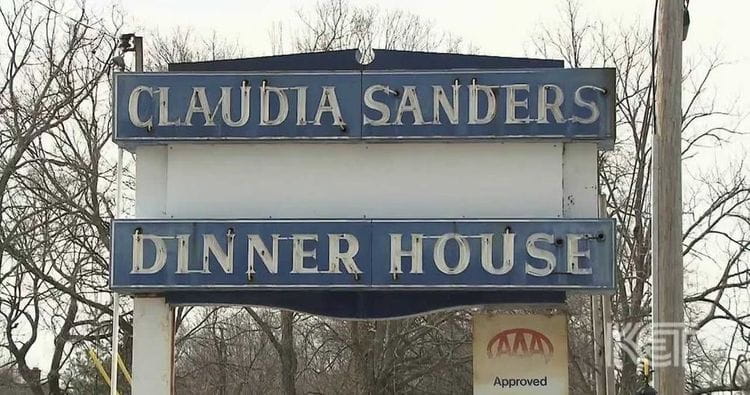
Claudia Sanders, The Colonel’s Lady
Red Barn
Known for its Big Barney burgers and distinctive barn-styled architecture, the Red Barn franchise had around 300 to 400 locations in 19 states and outlets in southern Ontario, other parts of Canada, and Australia at its peak around the mid-20th century. However, corporate ownership stopped supporting the chain in the ‘80s, which started Red Barn’s slow death spiral. As of 2017, the restaurant in Racine, Wisconsin is the only one left operating.

Red Barn
Pioneer Chicken
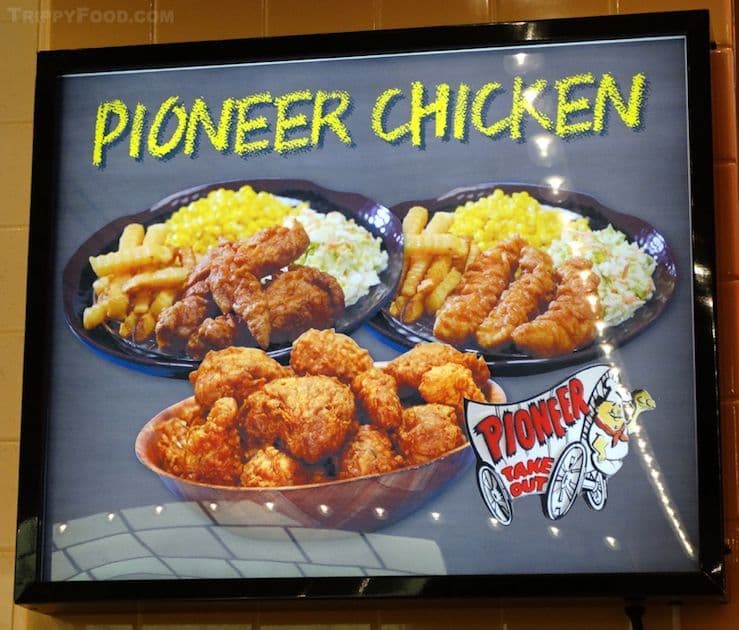
This chain was a California staple back in the ‘80s. At its height, Pioneer chicken had 270 restaurants, and sports legends (pre-trial) O.J. Simpson and Chick Hearn advertised the chain. However, it started to lose relevance and marketshare in the ‘90s. As of 2017, only two locations are remaining — one in Bell Gardens, California, and one in Boyle Heights, California.
Pioneer Chicken
Sandy’s
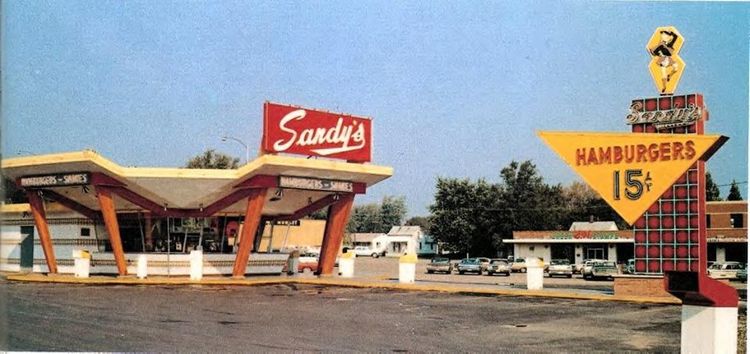
In the mid-1960s, a group of franchise owners of McDonald’s were unhappy with the changes in the agreement they had with the company, so they launched Sandy’s and offered menus similar to those of the golden arches. However, there were differences in the business structures, including restaurant operators owning their stores (they did not have to lease from the corporation) and not needing to purchase supplies from the corporation. For a period, Sandy’s was a regional success, but by the early ‘70s, financial issues led them to sell out to Hardee’s.
Sandy’s