
The images of well-known historical figures are immortalized in paintings, sculptures, and portraits. However, there is a possibility these works of art are not that accurate since those who commissioned them might have ordered artists to enhance the physical attributes of the subject. We can now see what historical figures really looked like because of modern technology. Keep reading to see the real appearances of some famous historical figures.
King Tut
King Tutankhamun is an Egyptian pharaoh who reigned between 1332 and 1323 BC in Egypt’s New Kingdom era. King Tut’s tomb, which had been sealed for over 3,200 years, was discovered in 1922 by British archaeologist Howard Carter. Completely intact, the tomb contained treasures and artifacts meant to accompany King Tut in the afterlife. The young pharaoh only reigned for about ten years before passing away, and scientists discovered some things that had contributed to his death when they found out what King Tut really looked like.
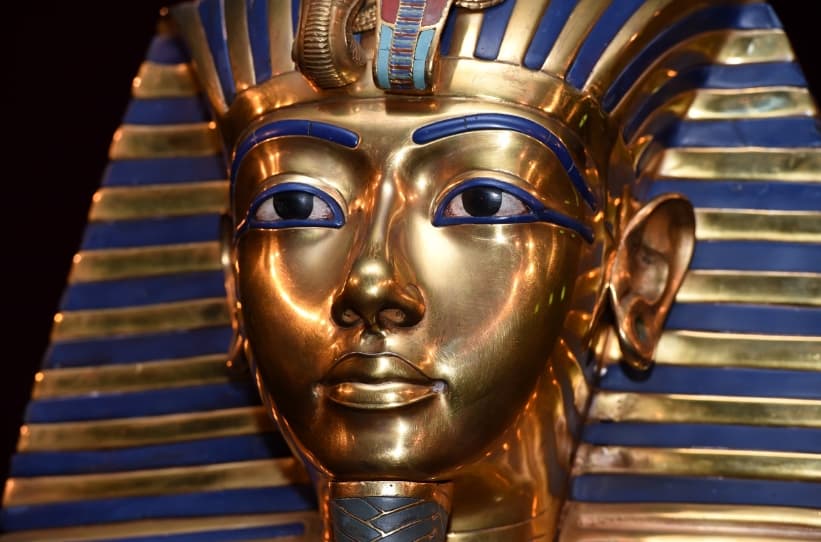
King Tut
What King Tut Really Looked Like
DNA studies carried out on the young pharaoh’s mummy revealed he had several health problems that contributed to his death. King Tut was tall but he had a bone disorder and was quite frail. He had bouts of malaria, and his broken leg was infected when he died. Evidence suggests the young pharaoh had a club foot, which is a disadvantage of inbreeding (traditionally done at the time; his parents were siblings). These revelations could explain some aspects of King Tut’s life and why he is the only pharaoh pictured doing everything while sitting down, including archery.
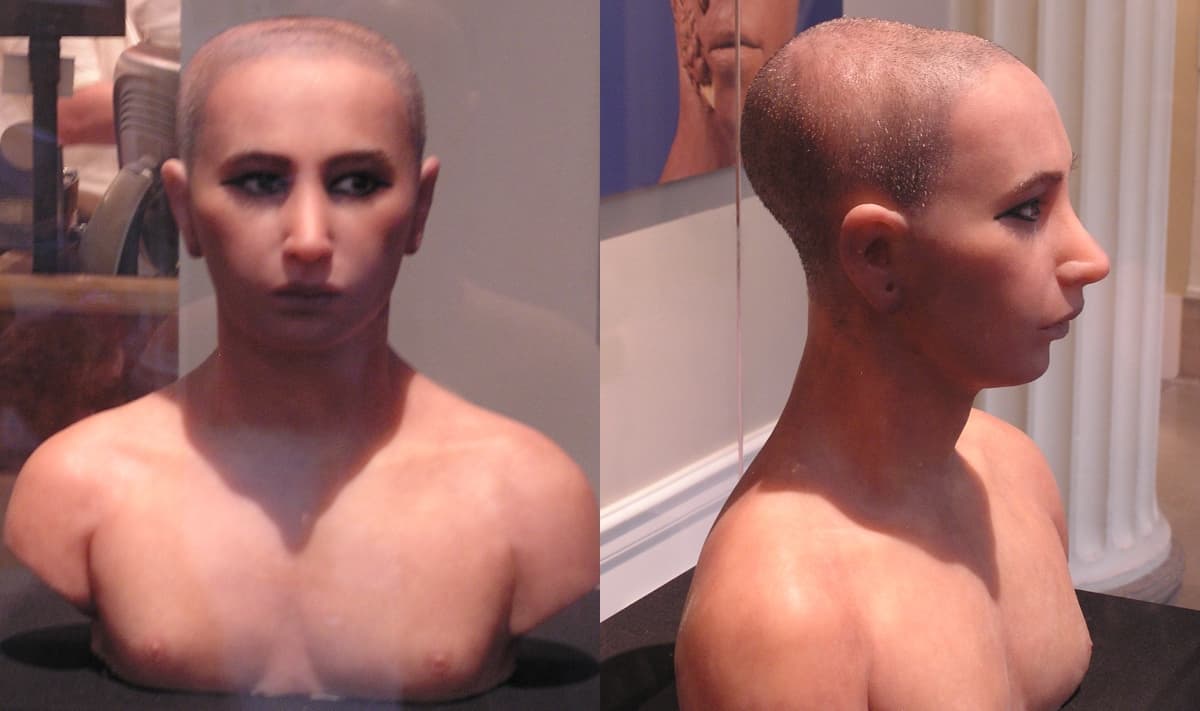
What King Tut Really Looked Like
Emperor Nero
During the Julio-Claudian dynasty, Nero became the emperor of Rome at the age of 17. In his fifth year of reign, he had his mother murdered, and soon became more active in politics. Nero is also known for having made public appearances as a musician, actor, poet, and charioteer, and many people believe this undermined his authority. The upper and middle classes detested him when he raised taxes that he used to fund his empire’s extravagant public and private works.
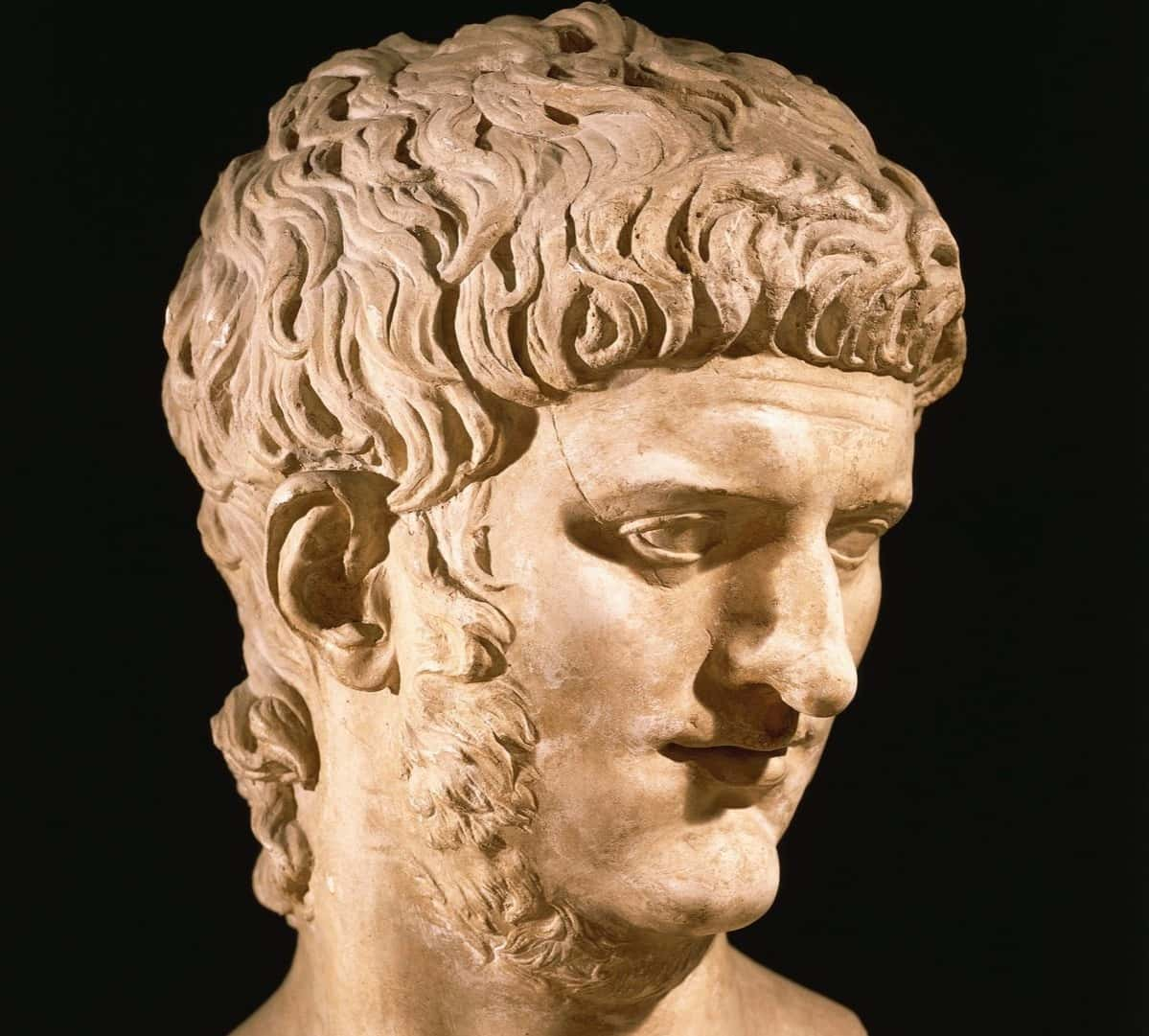
Emperor Nero
What Nero Really Looked Like
In 2019, modern technology helped Spanish artists create a lifelike rendering of this Roman Emperor. They based it on the drawings, busts, and descriptions of Nero and you can see that they got his attributes quite well, even his arrogant smirk and chinstrap. In 64 A.D., a fire consumed Rome, but Nero just dressed up, went to the roof of his palace and proceeded to sing there. Before others could kill him, he took his own life and said, “What an artist dies in me!”
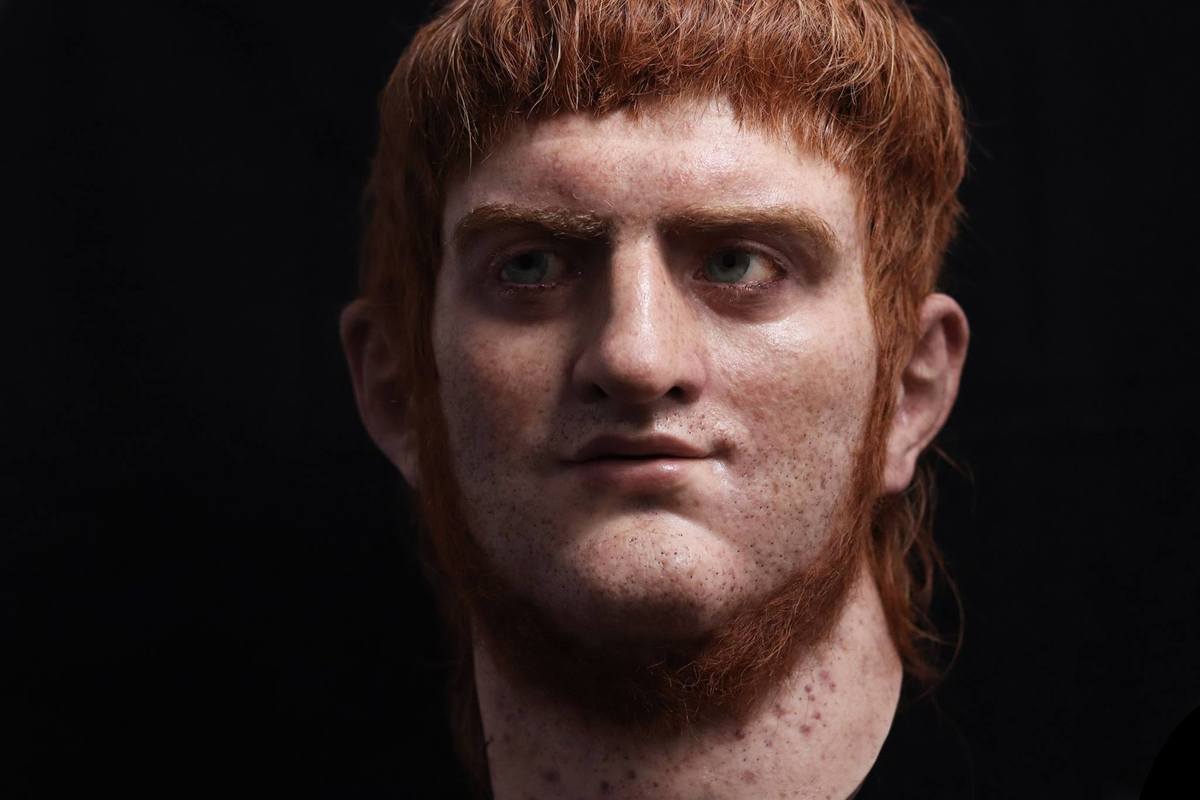
What Nero Really Looked Like
Nefertiti
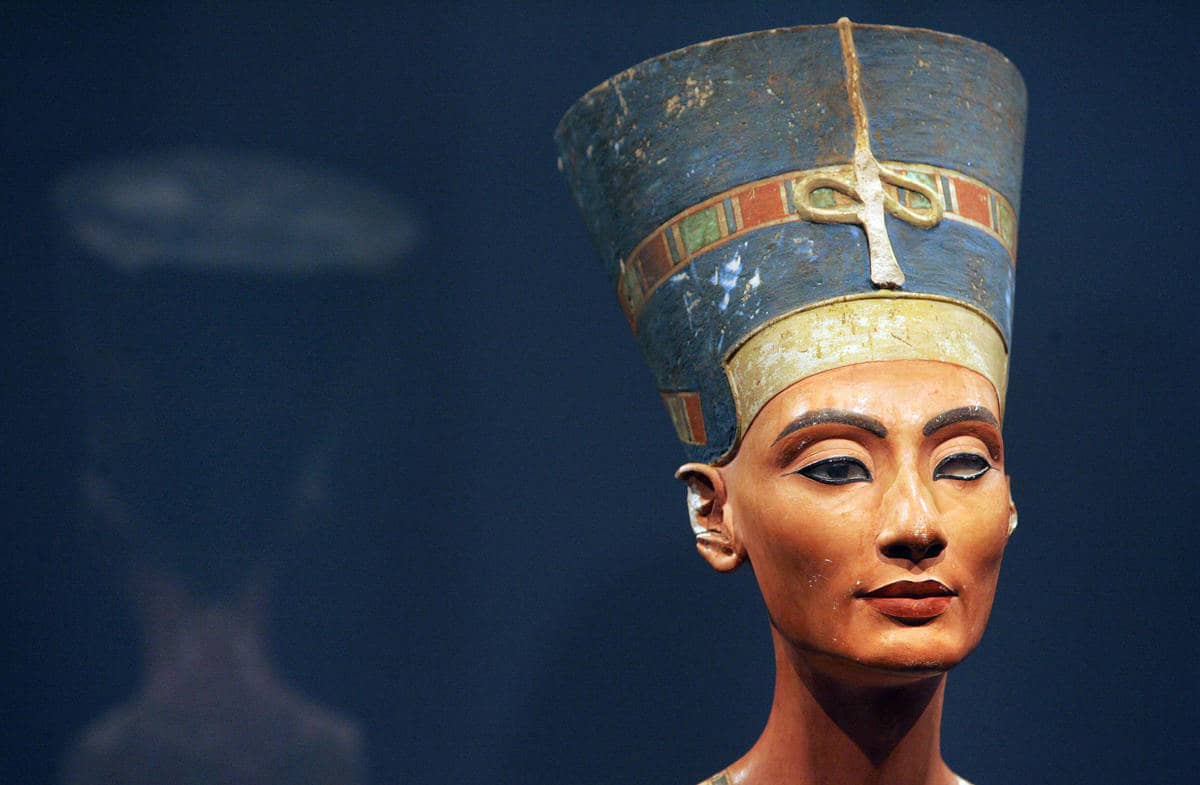
The Egyptian queen Nefertiti was Akhenaten’s Great Royal Wife (chief consort). It is believed that the sculptor Thutmose created the well-known stucco-covered limestone bust of the queen in Amarna, Egypt in the year 1345 B.C. It was discovered in the workshop of the sculptor in 1912. If you look at the sculpture, you can tell the Egyptian queen had defined facial features and was beautiful. Experts used 3D imaging to determine what Nefertiti actually looked like in person.
Nefertiti
What Nefertiti Really Looked Like
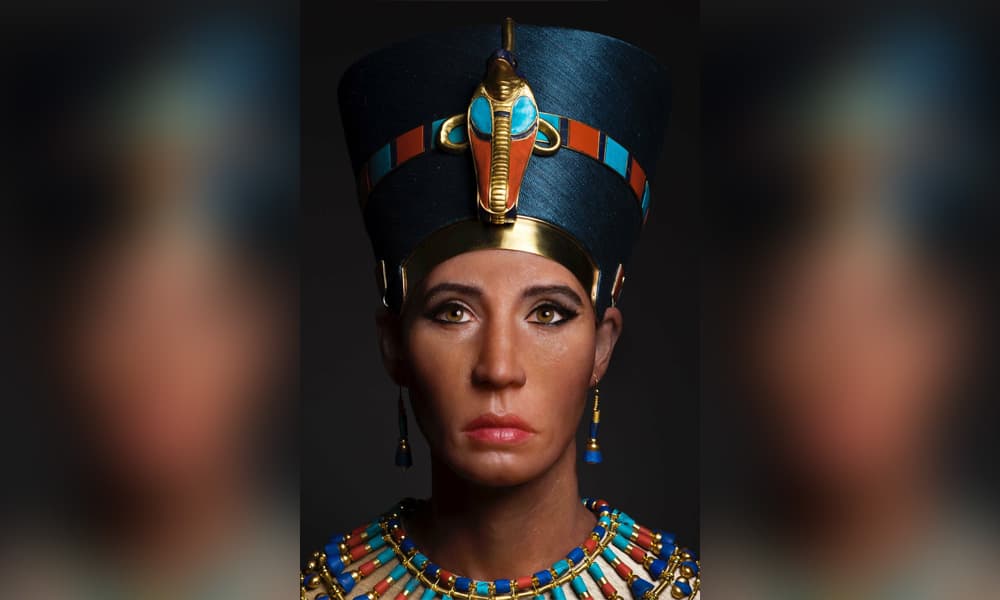
A team of University of Bristol scientists scanned and digitally mapped the facial structure of the mummy called “The Younger Lady,” believed to be Nefertiti, using 3D imaging technology. Paleoartist Elisabeth Daynes then spent 500 hours to recreate Nefertiti’s face on the bust. Based on the historical images of the Egyptian queen, this project appears to confirm the identity of “The Younger Lady” as Nefertiti. However, a lot of controversy surrounded the sculpture because of the artist’s color choice when it came to Nefertiti’s skin.
What Nefertiti Really Looked Like
Robert The Bruce
The king of Scots Robert the Bruce, also known as Robert I, reigned from 1306 to 1329. He waged a guerrilla war against England and successfully secured his country’s independence from the English. In June 1314, the Scottish won the Battle of Bannockburn under the leadership of Robert I, but Edward II refused to give up his overlordship of Scotland. Thus, the Scottish barons, earls, and people wrote Pope John XXII a letter that claimed Robert the Bruce as the rightful monarch.
Robert The Bruce
What Robert The Bruce Really Looked Like
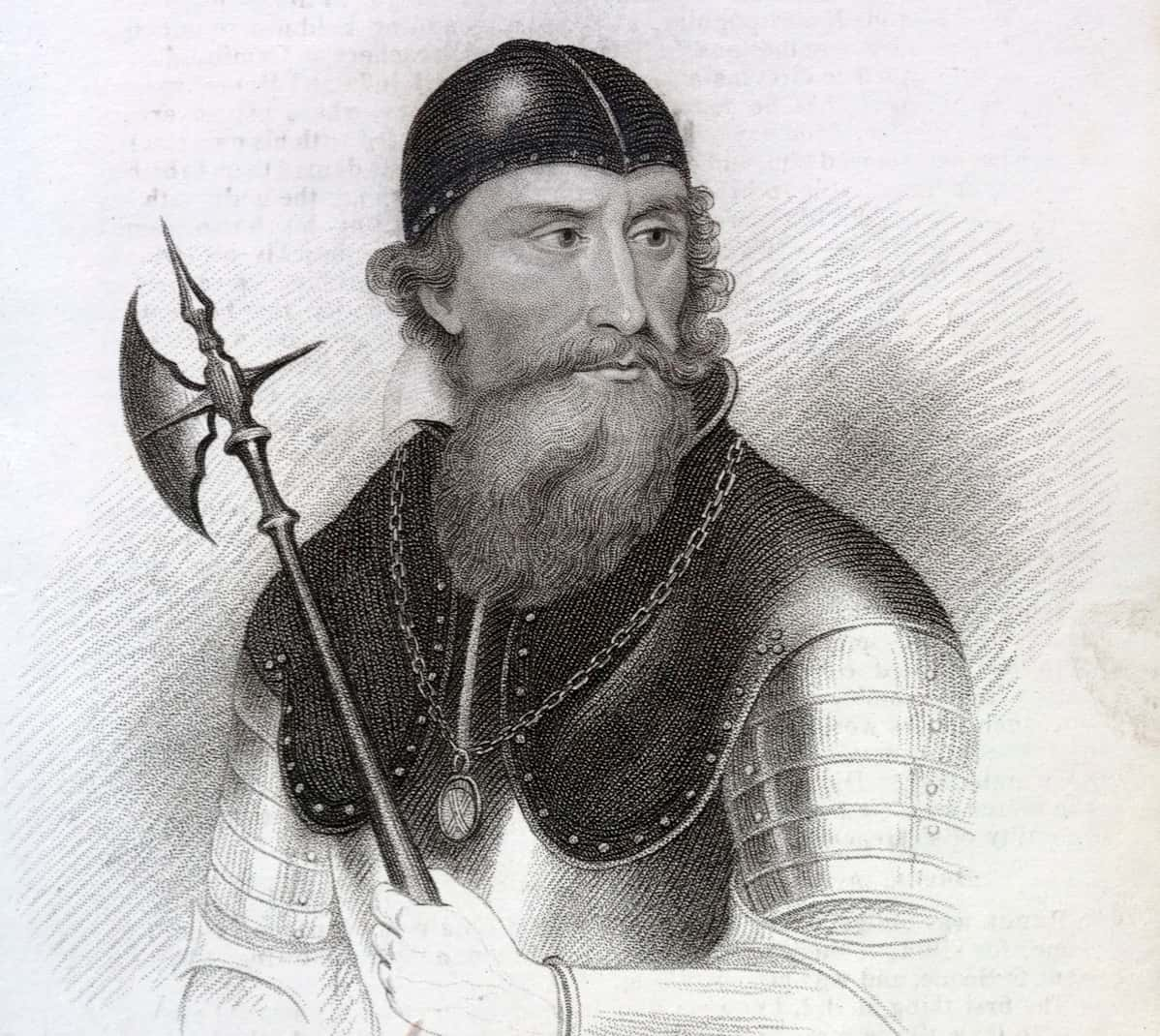
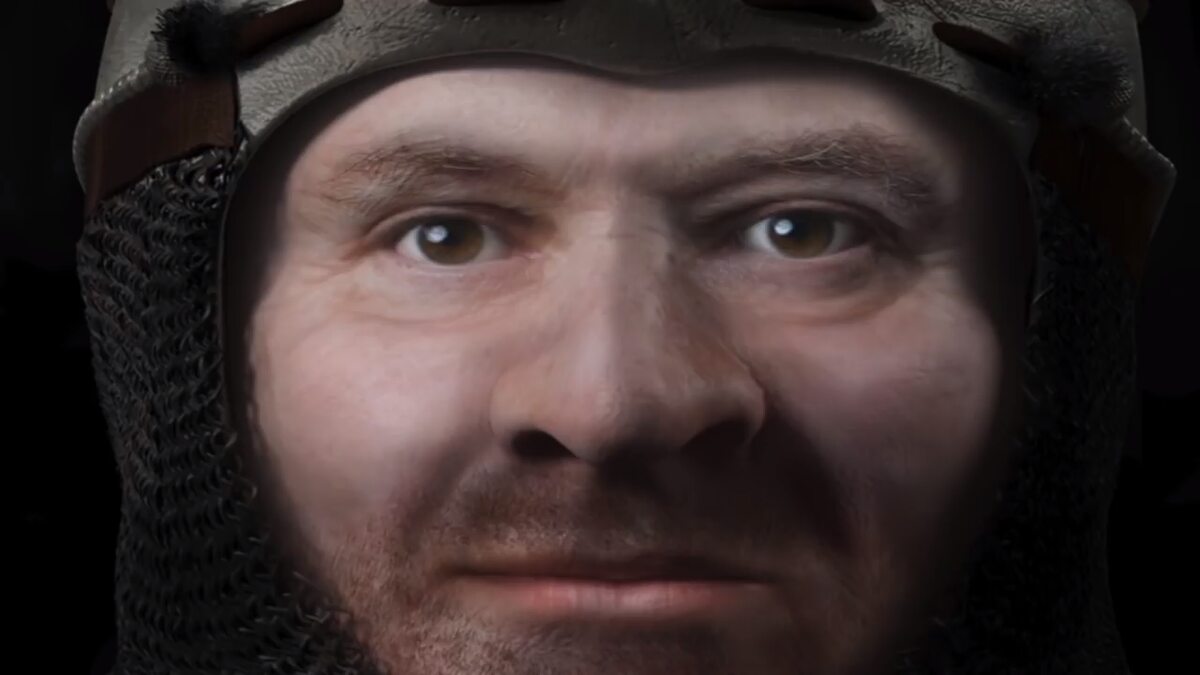
Since there is no contemporary work of art that depicts Robert I, artists in the past simply relied on word of mouth and their imagination to make portraits and statues of the king. However, University of Glasgow researchers used casts from skull which is believed to be his, archaeological evidence, and Face Lab technology to digitally reconstruct an image of his face. In the year 1324, Robert I was recognized as the rightful monarch of independent Scotland by the Pope, though the king died five years later.
What Robert The Bruce Really Looked Like
Julius Caesar
Roman politician and war general Julius Caesar is mainly responsible for expanding the Roman Empire. Before invading Britain, he crossed the English Channel and Rhine River, becoming the first Roman general to do so. He did not step down from command, but instead re-entered Roman Italy under arms, which incited a civil war. There are a lot of sculptures of him like the one here, but a more realistic rendering of Caesar was created in 2018.
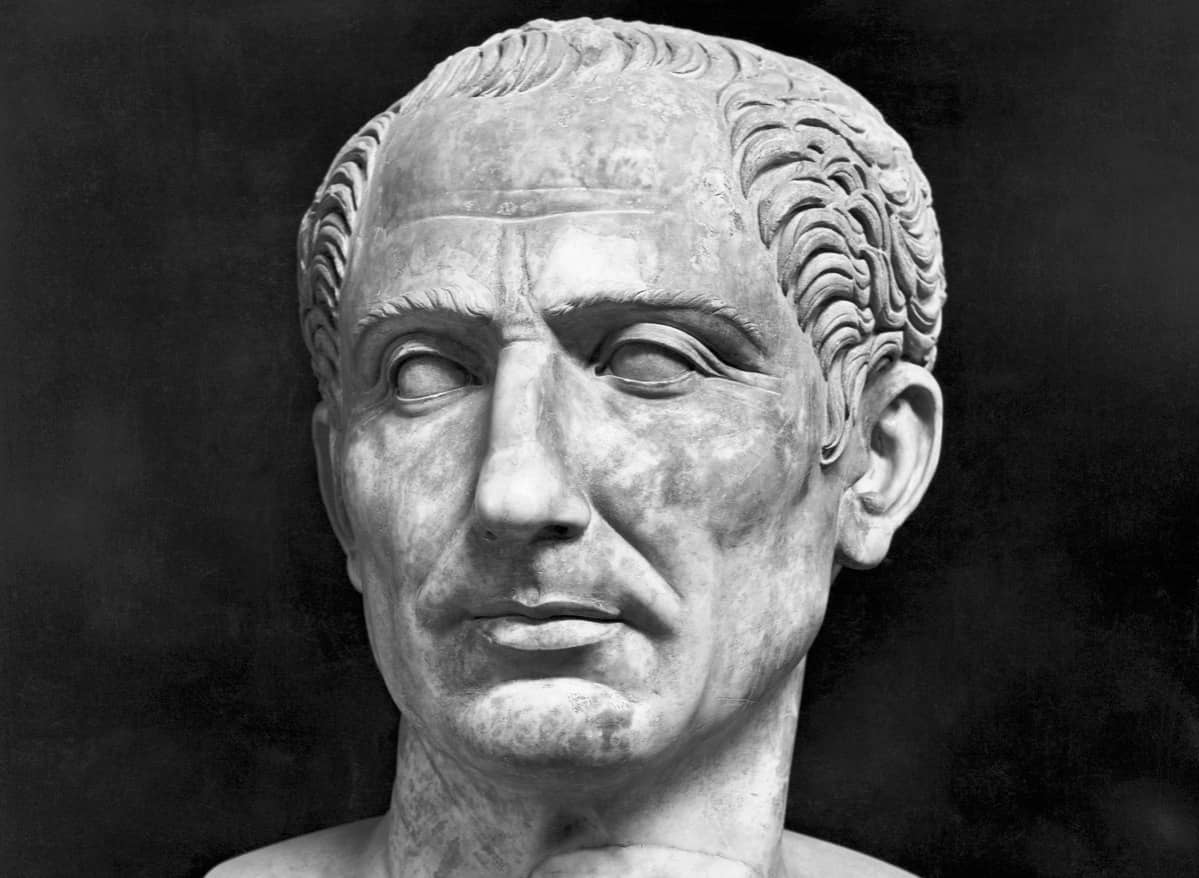
Julius Caesar
What Julius Caesar Really Looked Like
Julius Caesar’s lifelike bust can be found at the National Museum of Antiquities located in Leiden, Netherlands. This 3D reconstruction was created by scanning one of the marble portraits of Caesar using 3D technology. After winning the Roman civil war, he started his reign as a dictator by making social and governmental reforms, even granting citizenship to people from the farthest regions of the empire. However, the Senate’s elite members had not been pleased by his reign, so they assassinated Caesar in 44 B.C.
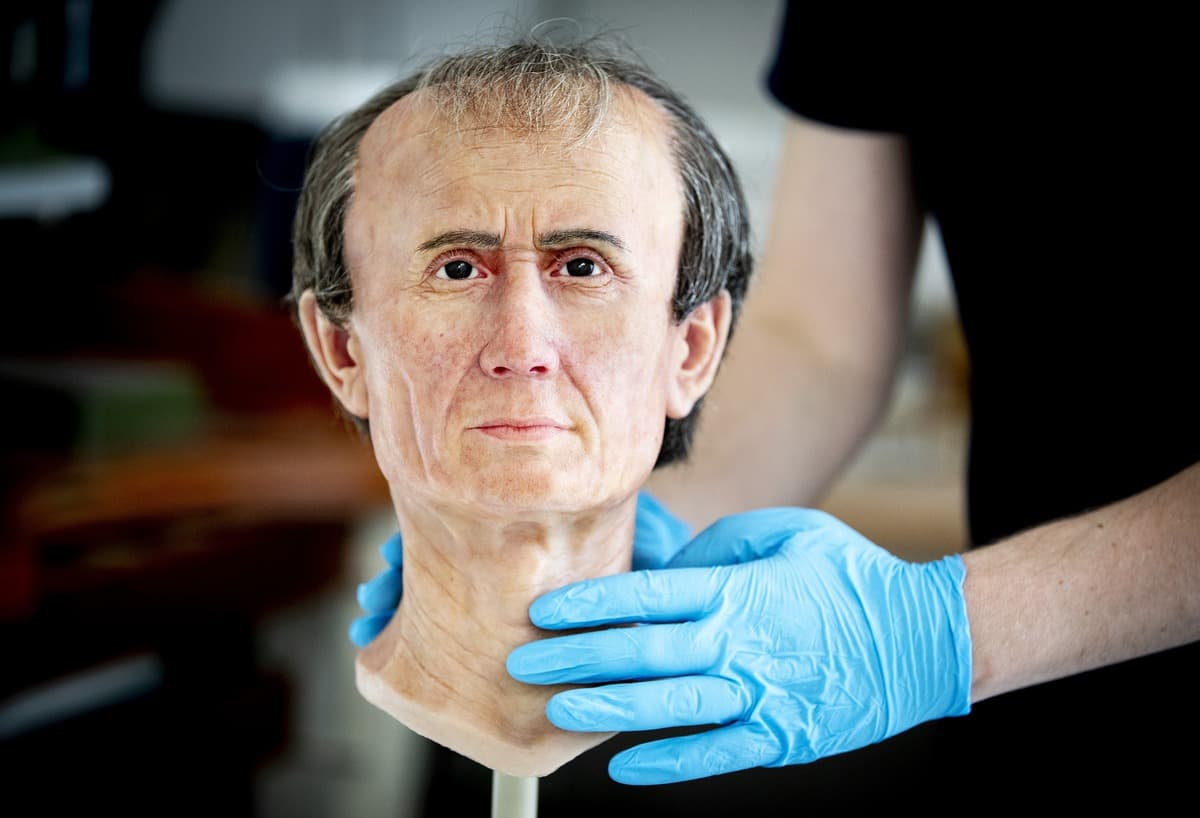
What Julius Caesar Really Looked Like
Cleopatra
For nearly three decades, Cleopatra ruled over Egypt. She ascended the throne at 18 years old, alongside 10-year-old Ptolemy XIII (her brother), after their father passed away. In 49 B.C., the advisers of her brother managed to run Cleopatra out of Egypt. However, with Julius Caesar’s help, Cleopatra was reinstated years later with Ptolemy XIV (her brother). It is believed that the father of Cleopatra’s son, Ptolemy Caesar, is Julius Caesar. In 44 B.C., Ptolemy XIV died and Julius Caesar was murdered, so Cleopatra ruled Egypt, along with her son.
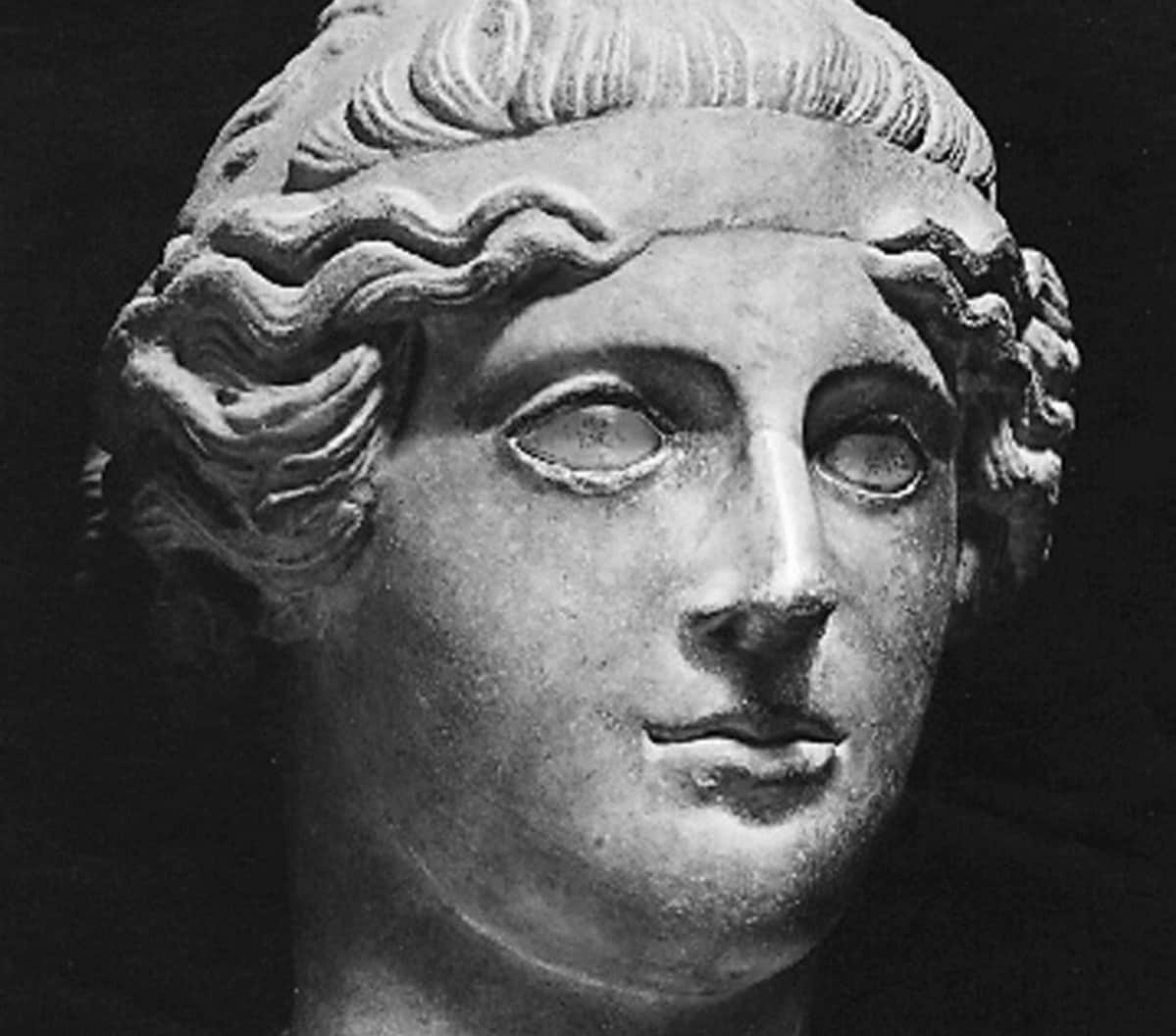
Cleopatra
What Cleopatra Really Looked Like
Well-educated and able to speak multiple languages, Cleopatra became the dominant ruler during the time she was co-regent. Also, she was regarded as an exotic beauty that used seduction to her advantage, so she was known for the alliances and romantic relations she has with rulers of other empires. Existing sculptures and portraiture were used by 3D artists to find out what Cleopatra actually looked like. The prominent nose and masculine features of the Egyptian queen might be surprising for some who watched the film where Elizabeth Taylor portrayed Cleopatra.
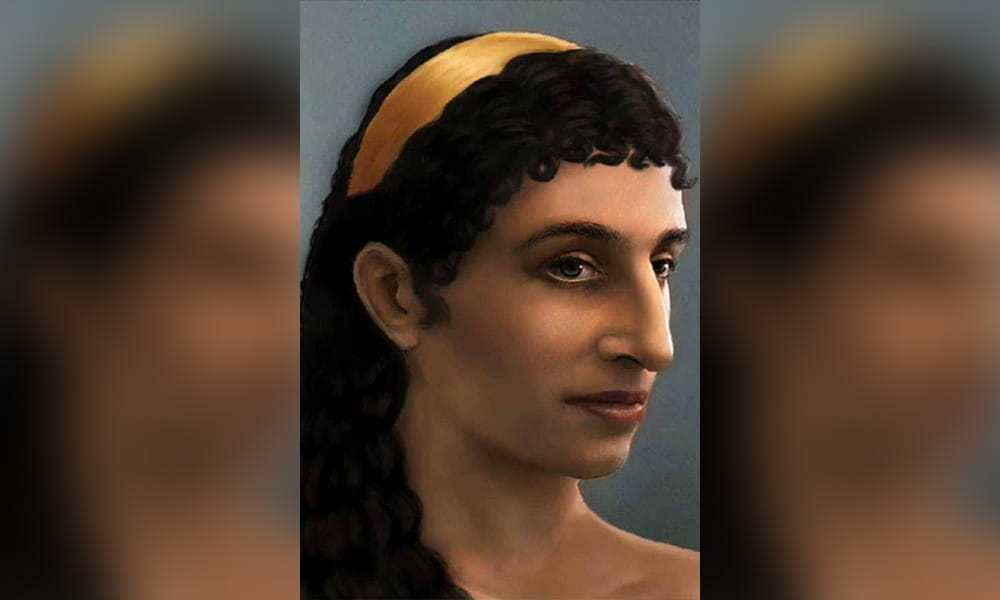
What Cleopatra Really Looked Like
Queen Elizabeth I
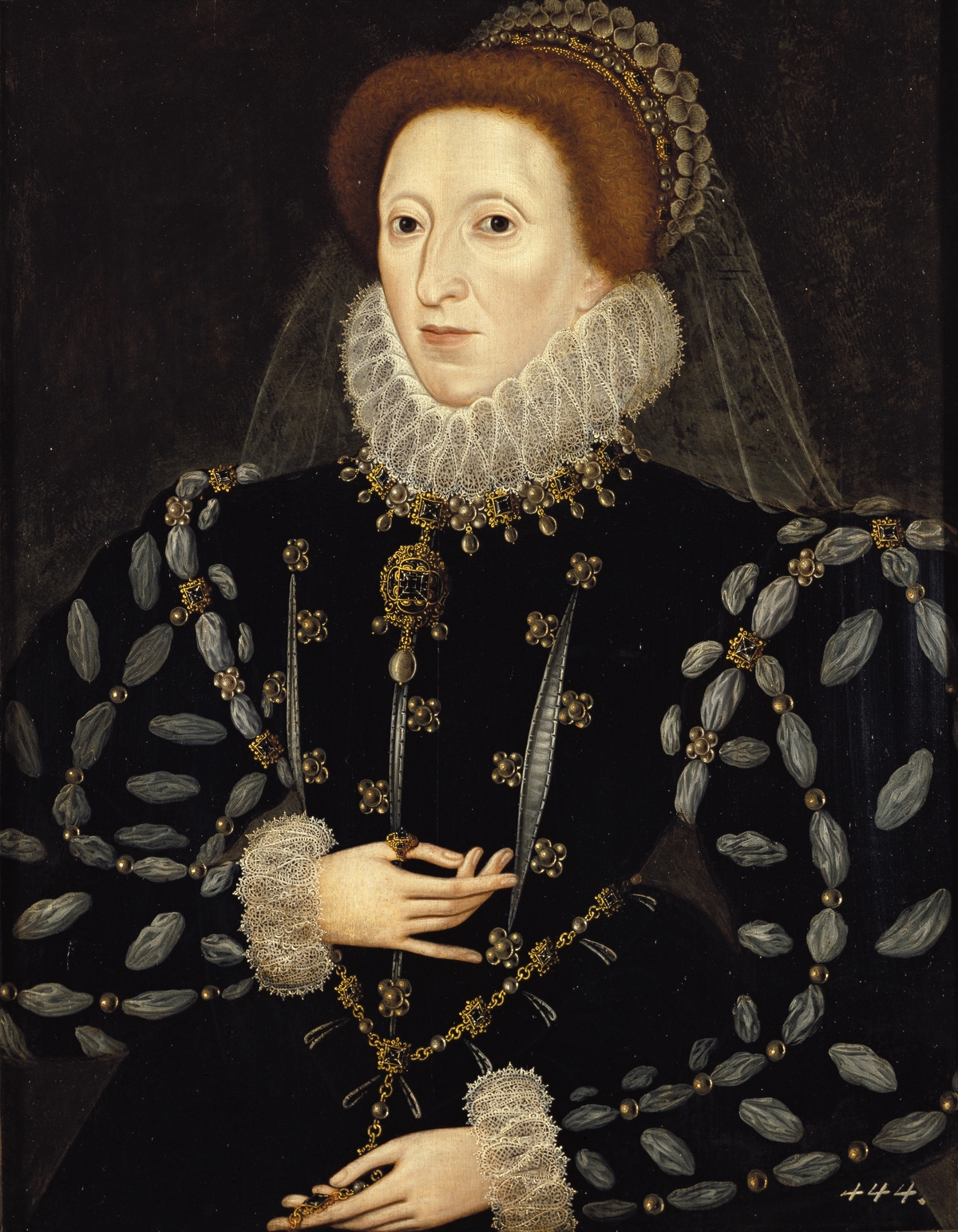
Ruling over England and Ireland, Queen Elizabeth I started her reign in 1558 and it ended in 1603. Her mother was Anne Boleyn, King Henry VIII’s second wife. After Anne died, the marriage was annulled, so Elizabeth was considered illegitimate. This is why it took Elizabeth years before she ascended the throne (1558). Many paintings show what Elizabeth looked like, but mixed media artist Mat Collishaw decided to bring things to another level in 2018.
Queen Elizabeth I
What Queen Elizabeth I Really Looked Like
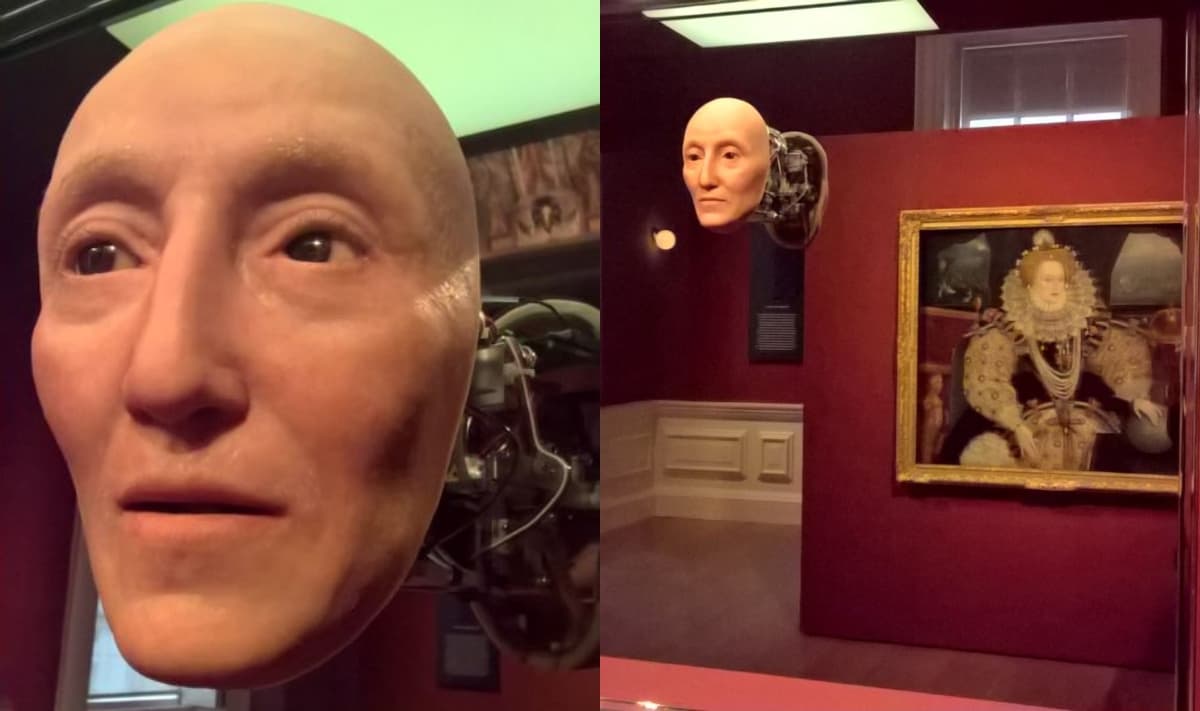
Collishaw made a hyper-realistic animatronic mask. It has eyes that follow you around and a mouth which opens as though it is going to speak. The mask is now displayed at the Queen’s House. It is placed across from the famous Armada Portrait, which shows a youthful Elizabeth (though it was painted when she was 55 years old). The mask is a more accurate depiction of the Virgin Queen.
What Queen Elizabeth I Really Looked Like
William Shakespeare
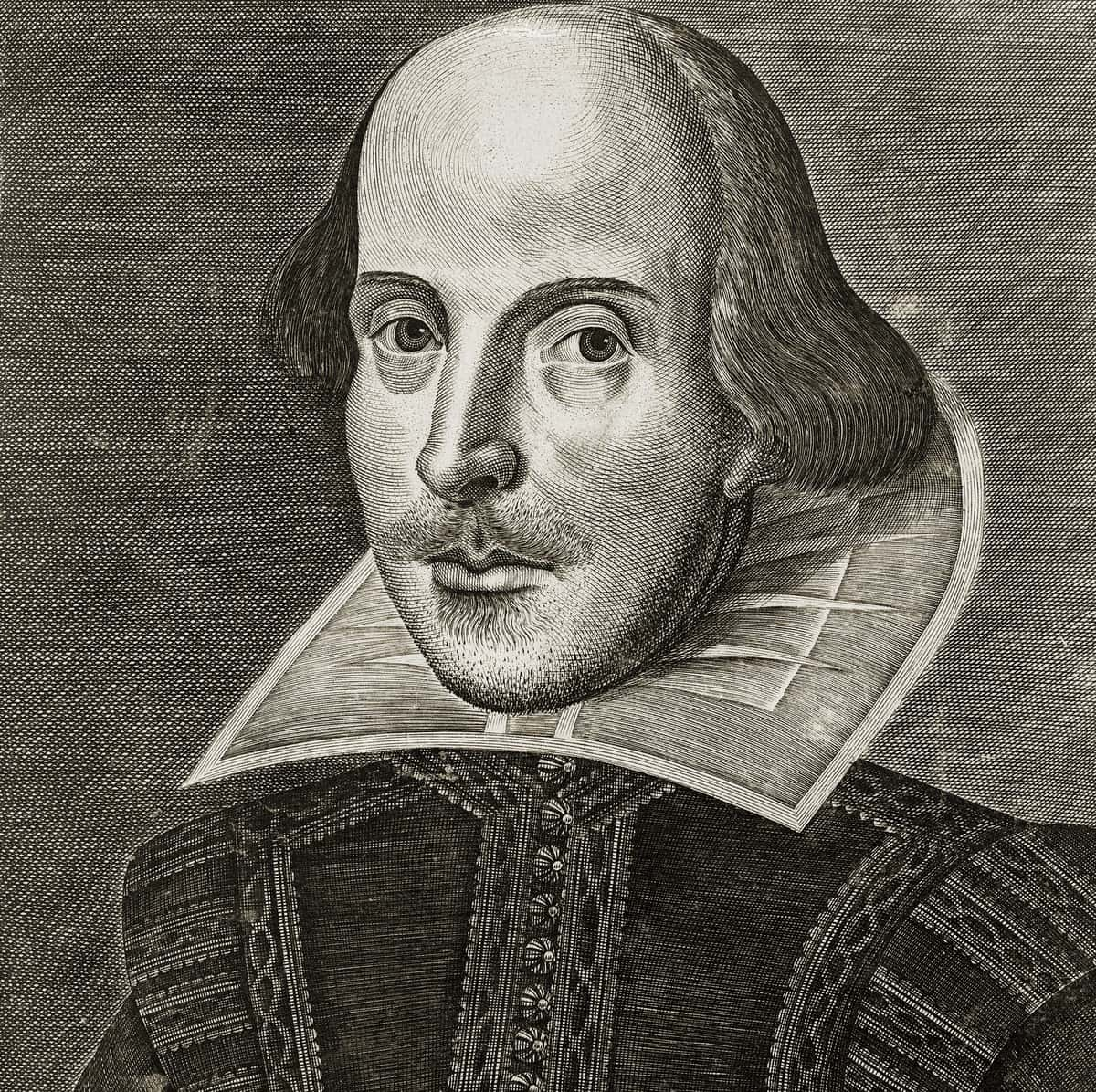
Many scholars and historians agree that the most accurate depiction of William Shakespeare can be found on the engraving made by Martin Droeshout. The literary genius who created classics like Romeo and Juliet and Hamlet defnitely had some facial hair though he had a receding hairline. In 1975, William Shakespeare’s death mask was discovered in London by Professor Hildegard Hammerschmidt-Hummel. In the 1800s, people made death masks by using wax or plaster over the face of a dead person. Debate is ongoing over whether the mask is of Shakespeare or not, but someone has decided to think of it as the real thing.
William Shakespeare
What William Shakespeare Really Looked Like
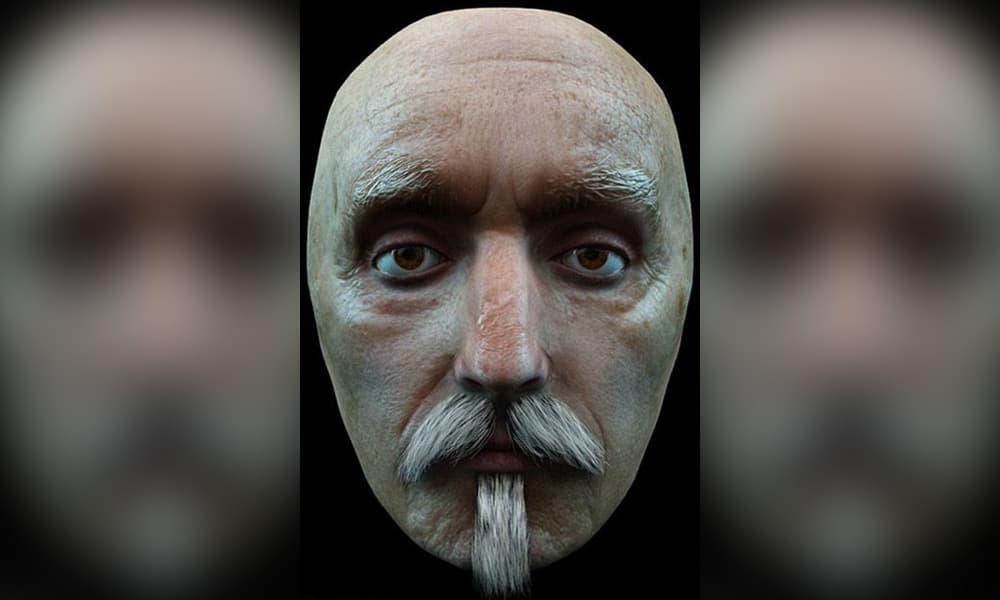
In 2010, Dr. Caroline Wilkinson (Dundee University) made use of Shakespeare’s alleged death mask so she could create a rendering of him. The professor used the mask and 3D imaging to map Shakespeare’s face. She came up with this pretty somber rendering. Many would agree that her depiction of the literary great is similar to other interpretations to some extent. William Shakespeare died at the age of 52 on April 23, 1616.
What William Shakespeare Really Looked Like
George Washington
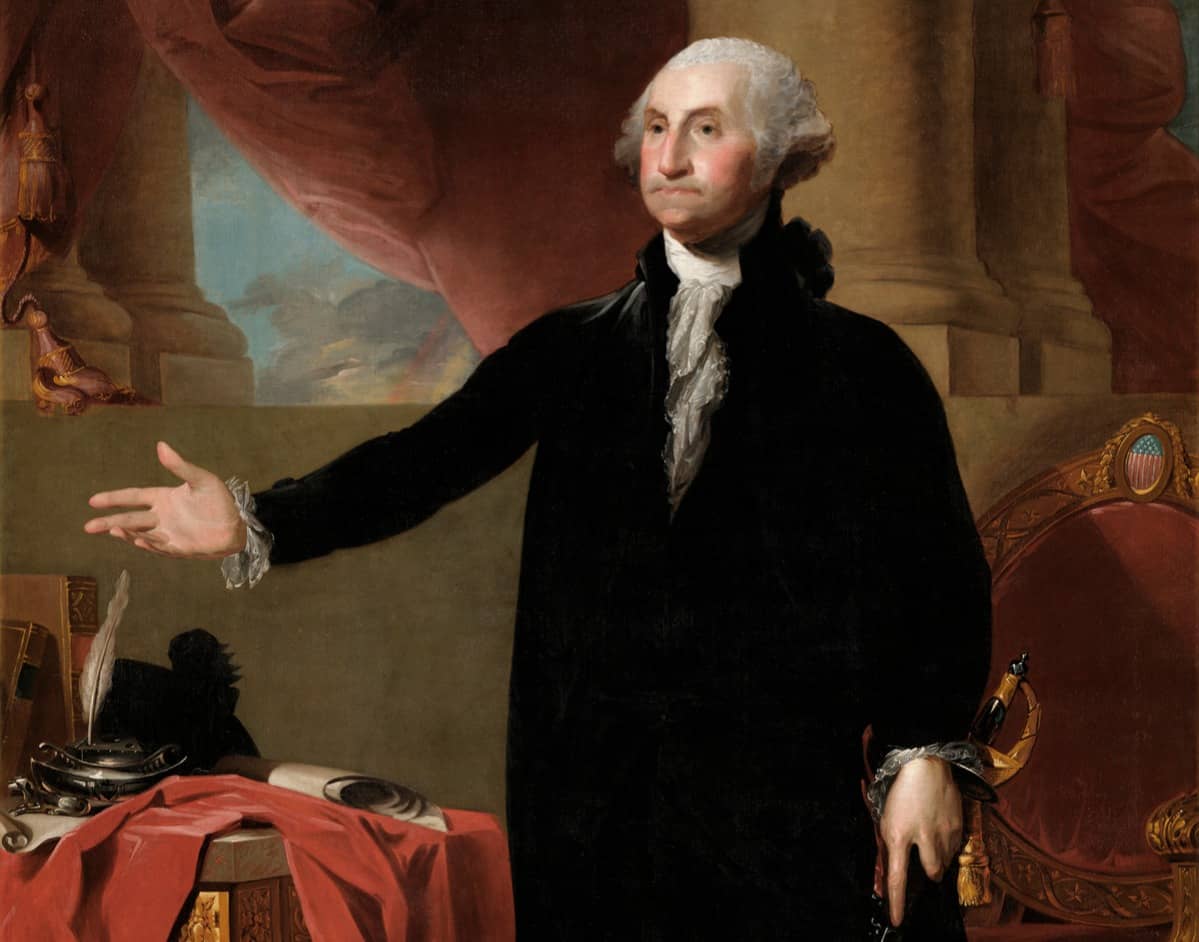
The first ever President of the United States, George Washington had a big part in establishing a new federal government. He remains a highly revered United States historical figure and the Founding Father can be seen everywhere, from a dollar bill to numerous museums and government buildings throughout the country. People are pretty familiar with his face.
George Washington
What George Washington Really Looked Like
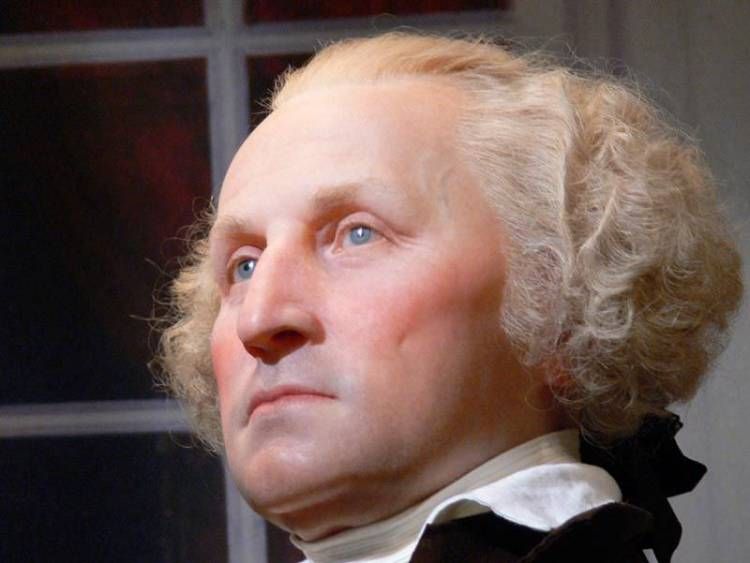
Researchers used painted portraits and detailed renderings in making this computer-generated photo of Washington. This image is very realistic and you can actually see the Founding Father’s full head of hair (all his and white) and his five o’clock shadow. He died at 67 years old on December 14, 1799, after he had complications from a sore throat.
What George Washington Really Looked Like
Mary, Queen of Scots
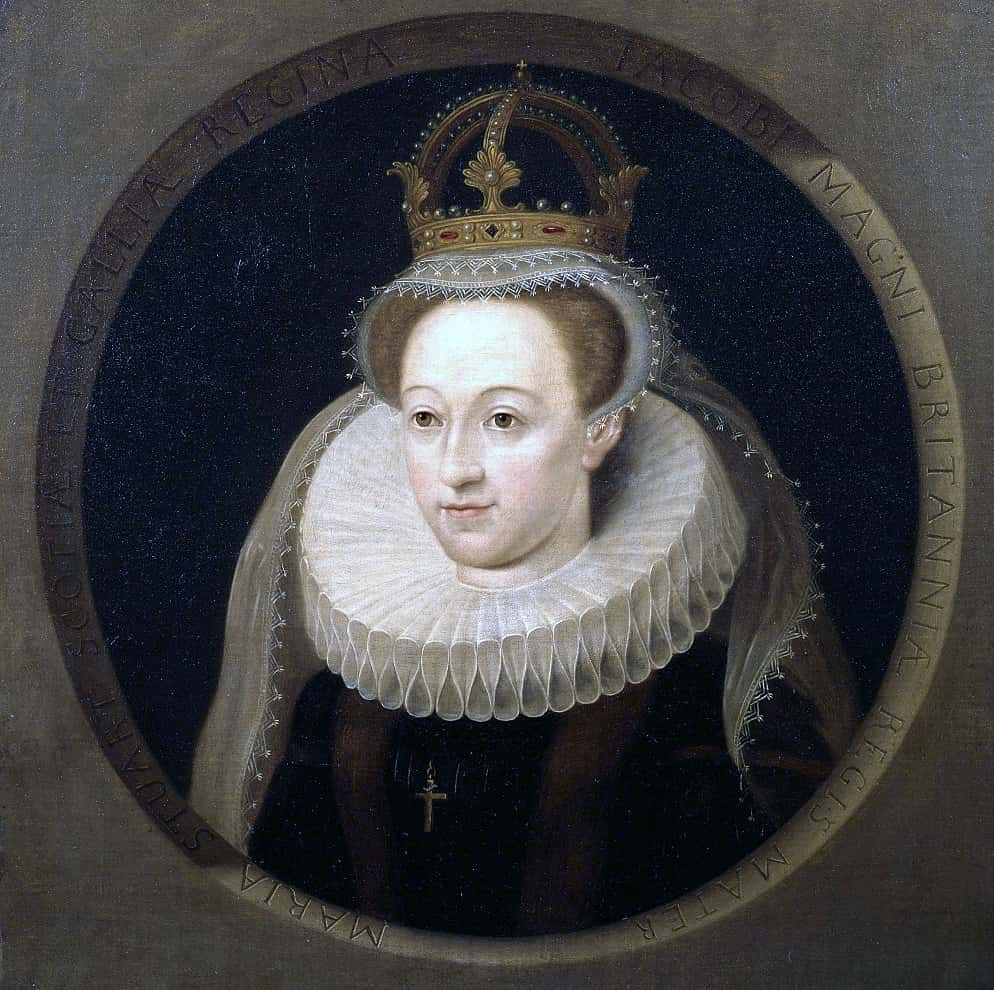
Mary, Queen of Scots was born Mary Stuart and reigned between 1542 and 1567. Her father sadly passed away just days after she was born, and she became queen at six days old. Her mother decided to send her to France so Mary could grow up in French court. Mary returned to Scotland in the year 1559. What do you think about how she is depicted in this painting?
Mary, Queen of Scots
What The Queen Of Scots Really Looked Like
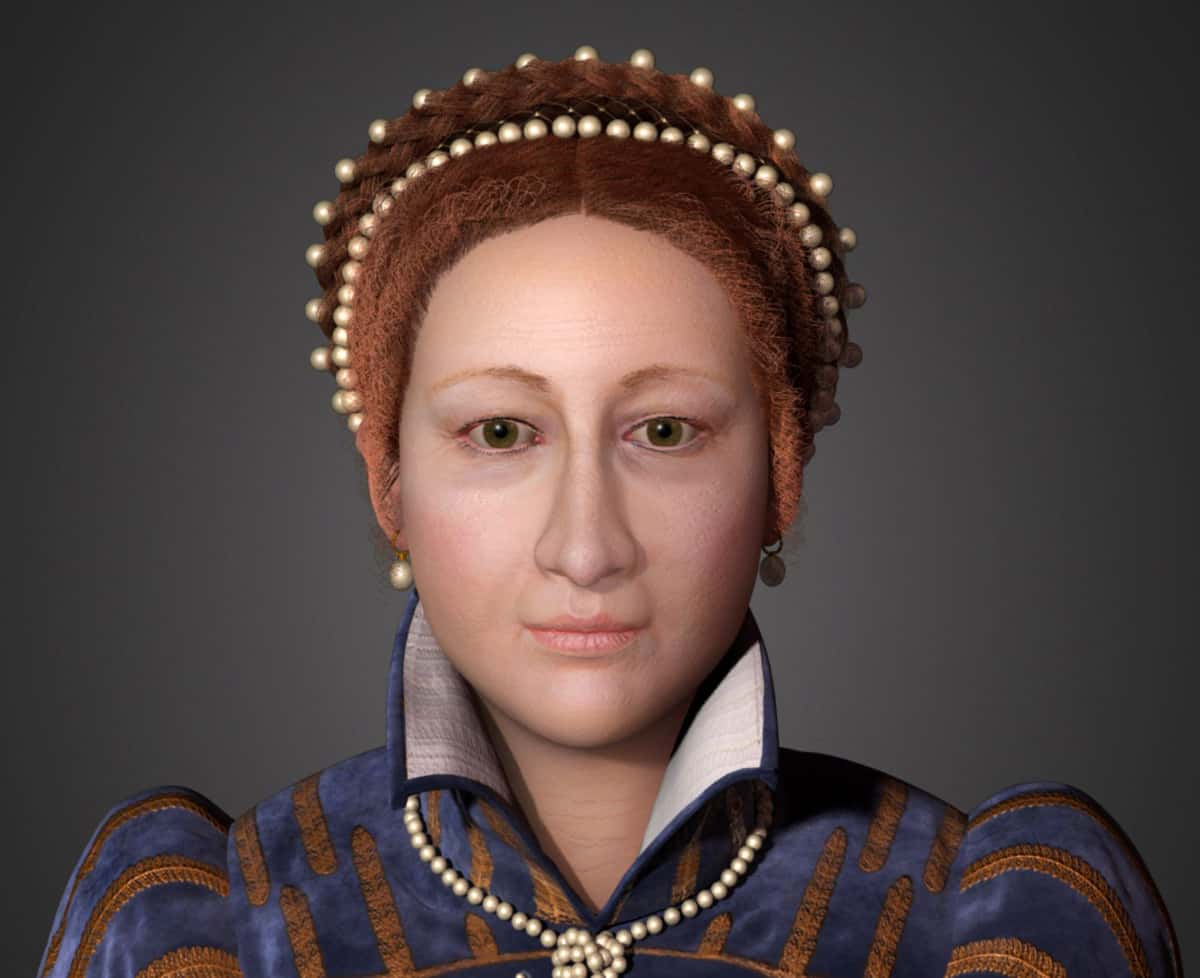
Professor Caroline Wilkinson (Dundee University) utilized paintings and drawings in order to create this 3D face of the Queen of Scots. Also, the professor drew upon biographical info so that she could avoid highly stylized depictions in her artwork. This rendering of Mary is not very different from depictions of her in classic paintings but you can still see the difference. The feature that remained relatively unchanged is her nose.
What The Queen Of Scots Really Looked Like
Richard III
England’s King Richard III reigned for two years (between 1483 and 1485), and as time went by, his reputation became less than honorable. In Shakespeare’s play, he was labeled a tyrant. Richard III was also replaced by the Tudors in the end. In the Battle of Bosworth Field (1485), Richard III led a charge into the middle of Henry Tudor’s army but his clan’s was quickly defeated after that move!
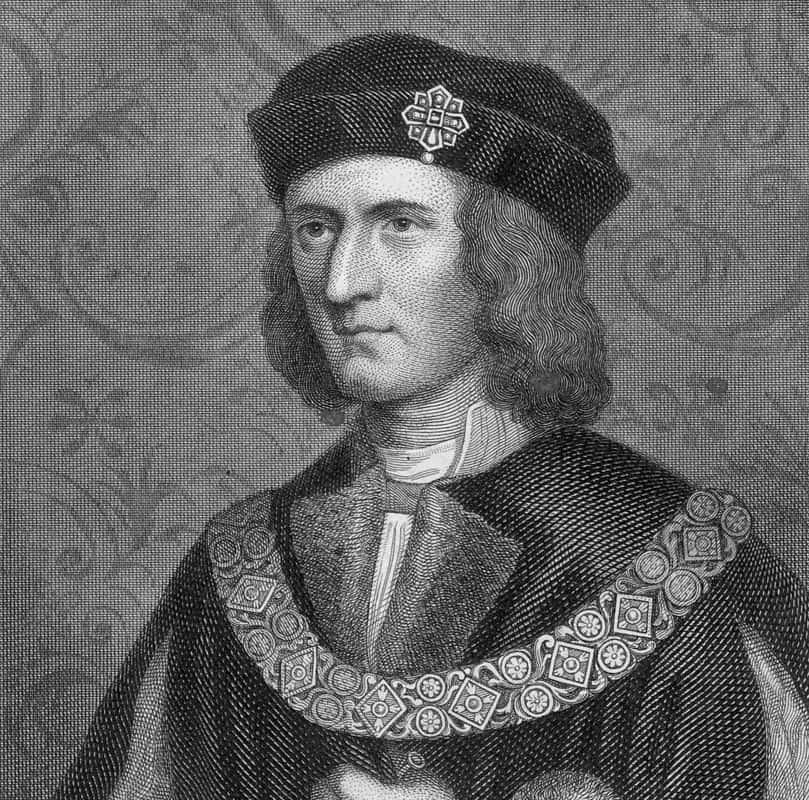
Richard III
What Richard III Really Looked Like
Before the year 2012, it was not possible to recreate this image since the body of Richard III was lost to history after he died. However, in 2012, researchers looked through clues that led them to an underground parking lot where his body was found and they exhumed it. Many researchers from Dundee University helped in creating this image of Richard III. As there isn’t any realistic painting of this king, researchers had to make use of historical records.
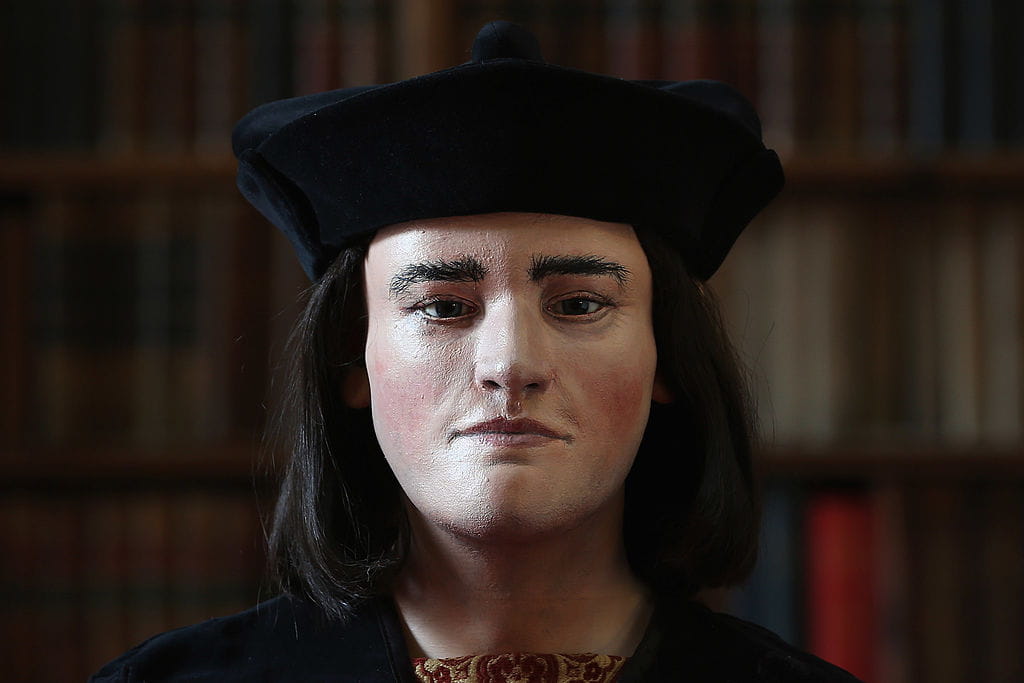
What Richard III Really Looked Like
Meritamun
Meritamun means “beloved of the god Amun.” University of Melbourne researchers introduced this queen after they discovered her skull while looking through their archives. She was from ancient Egypt, so it is quite perplexing how her skull succeeded in traveling across the globe. Being a Great Royal Wife of Pharaoh Ramesses the Great, Meritamun was buried in Egypt’s Valley of the Queens.
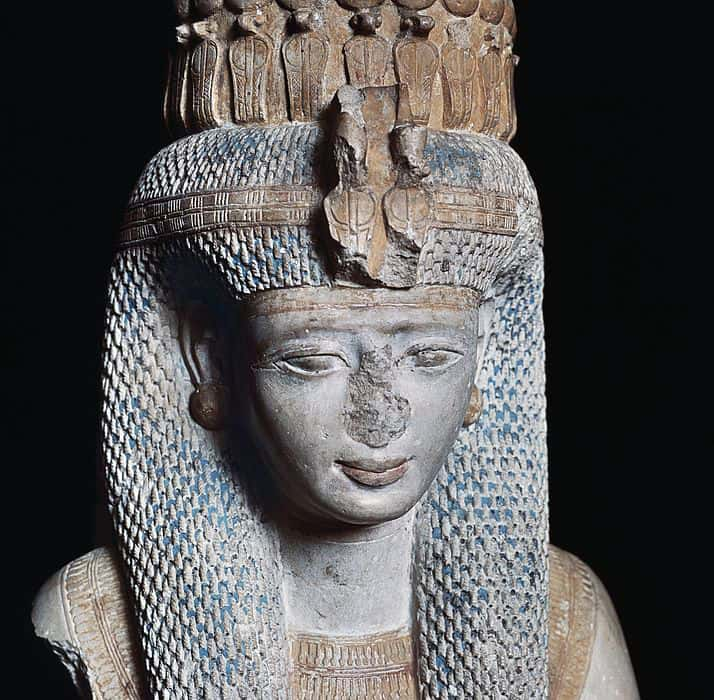
Meritamun
What Meritamun Really Looked Like
Researchers could not find out a lot of details about Meritamun because only her skull was found, but they managed to find out that she was between 18 and 25 years old when she died. However, her cause of death remains a mystery. In addition, they also discovered that she likely had a sweet tooth owing to her tooth decay. Sugar was introduced to Egypt by Alexander the Great around the time that the queen lived.
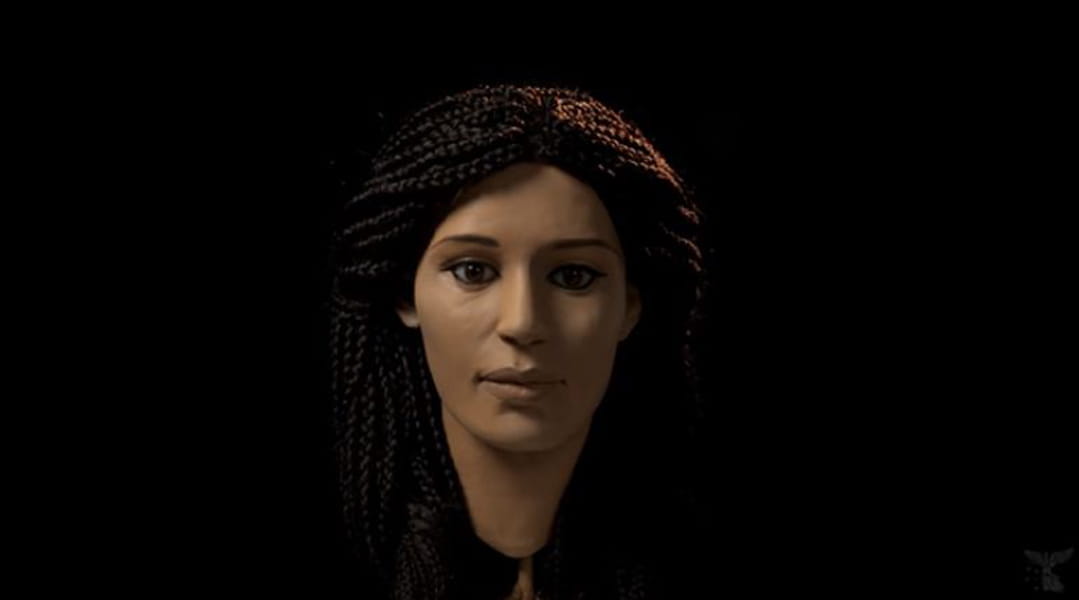
What Meritamun Really Looked Like
Jesus Christ
We are quite sure you have heard of the biblical figure Jesus Christ, who rose from the dead, turned water to wine, walked on water, and healed the blind. Jesus Christ willingly gave up his life for the greater good. There have been a few renditions created to show what Jesus looked like, though it seems that the artists did not actually capture His true essence.
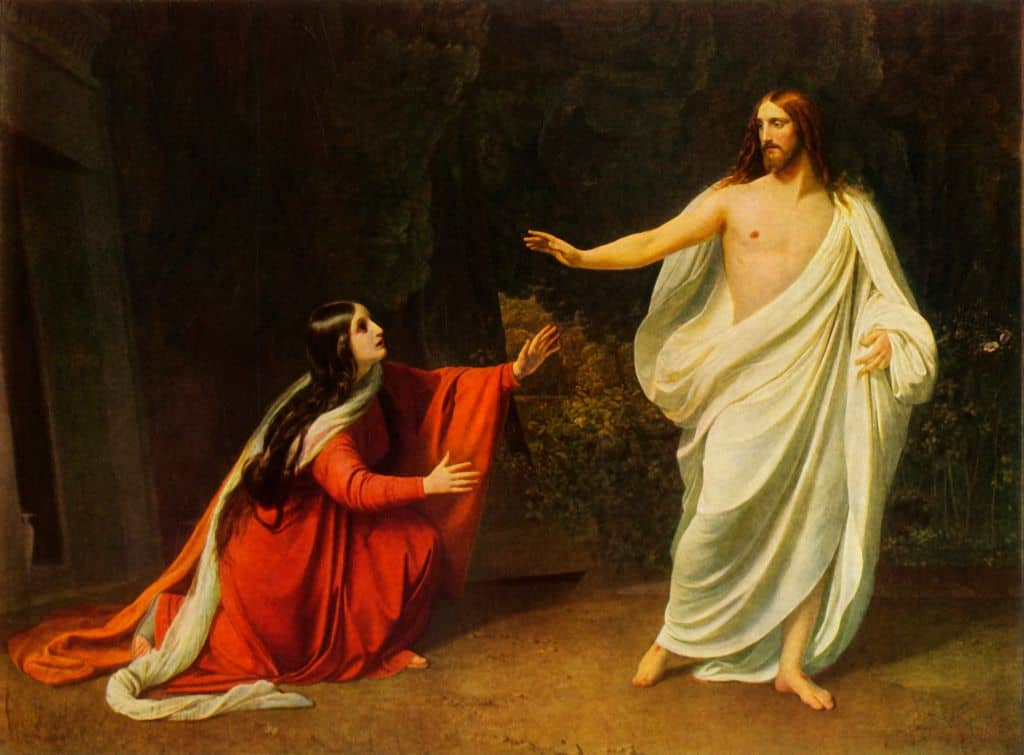
Jesus Christ
What The Real Jesus Christ Might Have Looked Like
The Bible does not specify Jesus Christ’s physical appearance and plenty of modern evidence suggests that Jesus has been portrayed differently over the centuries. Since they did not find any skeletal remains nor body parts that might have His DNA, researchers relied on forensic anthropology only. This image was created by British scientists and Israeli archeologists who adopted methods commonly used to solve crimes. What do you think about this image of Jesus that they created?
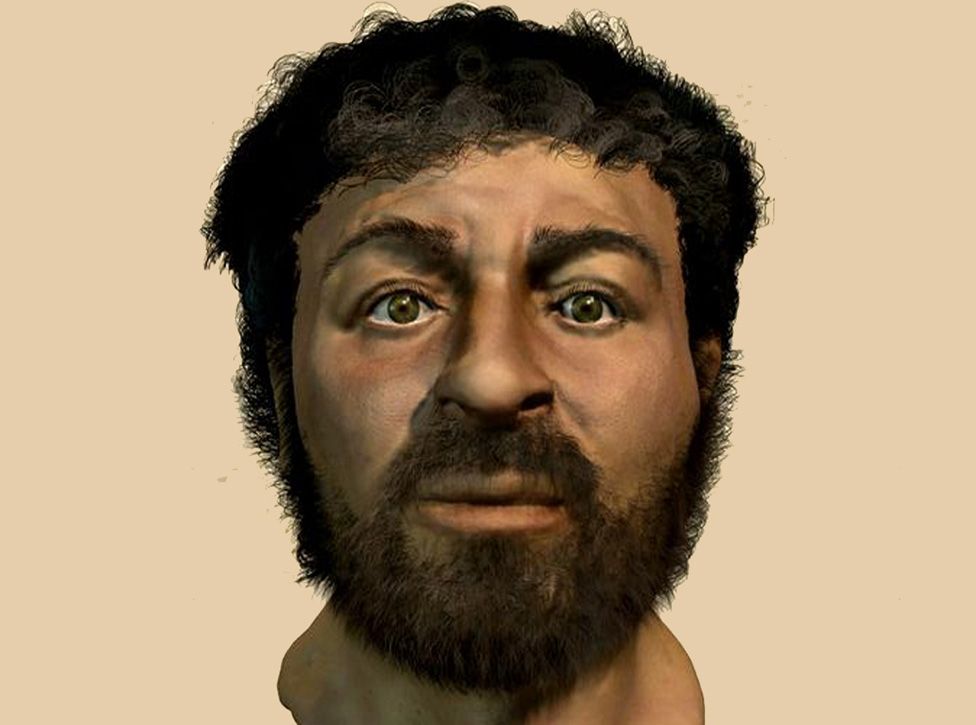
What The Real Jesus Christ Might Have Looked Like
The Lord Of Sipan
The Lord of Sipan is one of the discoveries called the Moche mummies. Archaeologists found him in Peru in 1987. One of the most significant discovery in the 20th century, the Lord of Sipan was found buried with a lot of treasures, similar to King Tut.

The Lord Of Sipan
What The Lord Of Sipan Really Looked Like
The project was not easy for the forensic team especially since the skull broke from the pressure of the sediment during excavation. Thankfully, modern technology could be used in reconstructing the skull which had broken into 96 separate pieces. To reconfigure the skull, the team used photogrammetry, which is a process that makes use of several cameras placed at different angles in order to make a 3D image. The Brazilian Team of Forensic Anthropology and Forensic Odontology was responsible for the project.

What The Lord Of Sipan Really Looked Like
Saint Anthony
Born in 1195, Saint Anthony was from Lisbon, Portugal. Though he died at the young age of 36, he certainly made a huge impact in his day. He had the amazing ability to heal. It appears that Saint Anthony was adored by the Catholic Church as his canonization as a saint was really quick, the second-fastest. Just a year after he died, the church declared Saint Anthony as the saint for lost things.
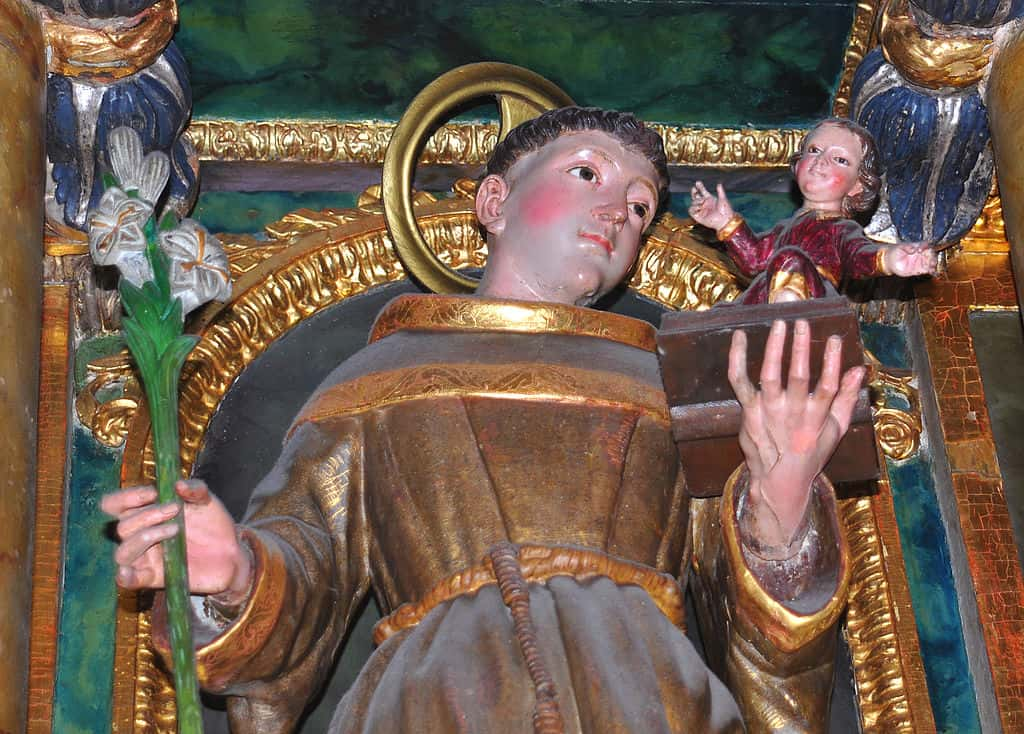
Saint Anthony
What Saint Anthony Really Looked Like
When Saint Anthony passed away, bells supposedly rang by themselves and children supposedly cried in the street. Three decades after he died, his body was exhumed but researchers only had his jawbone and tongue to guide them. This recreation was done by a team of researchers from the Anthropology Museum of the University of St. Anthony of Padua and a University of Sao Paolo 3-D designer.
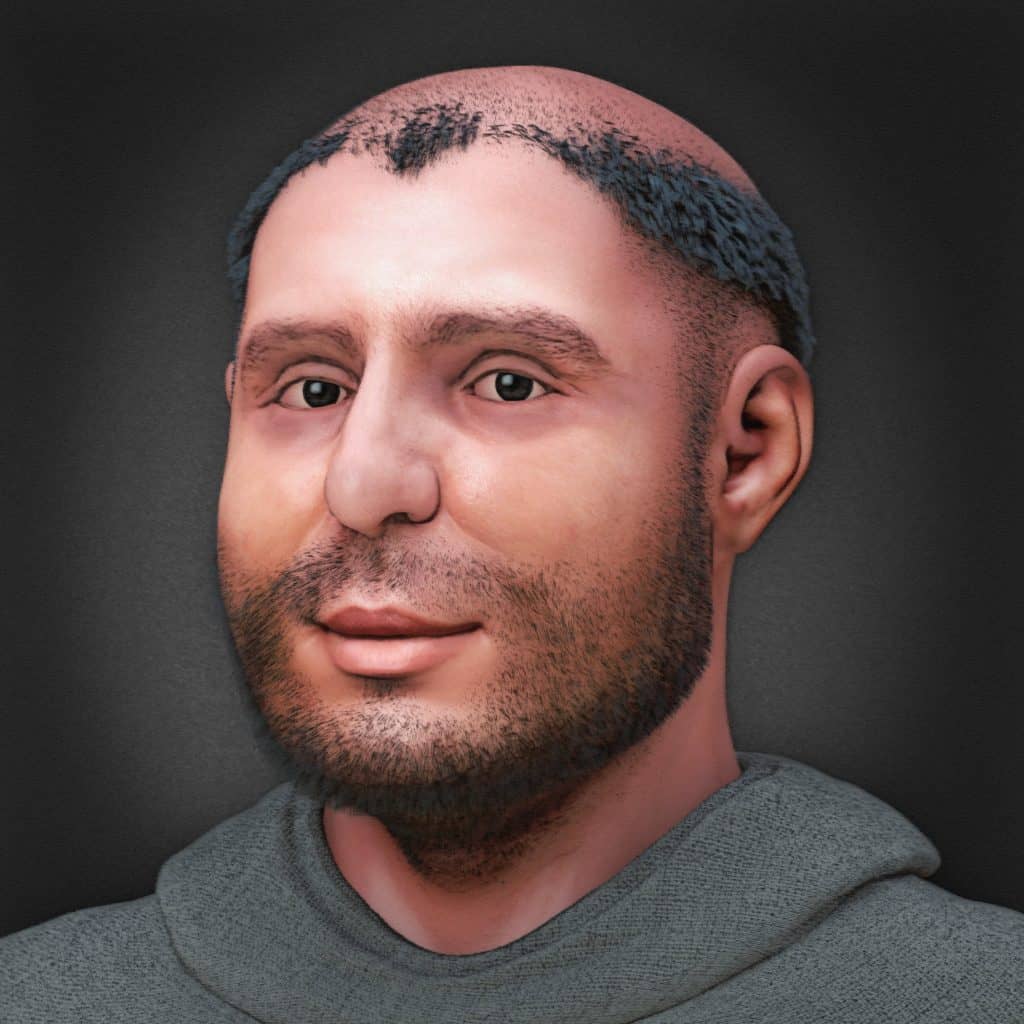
What Saint Anthony Really Looked Like
King Henry IV
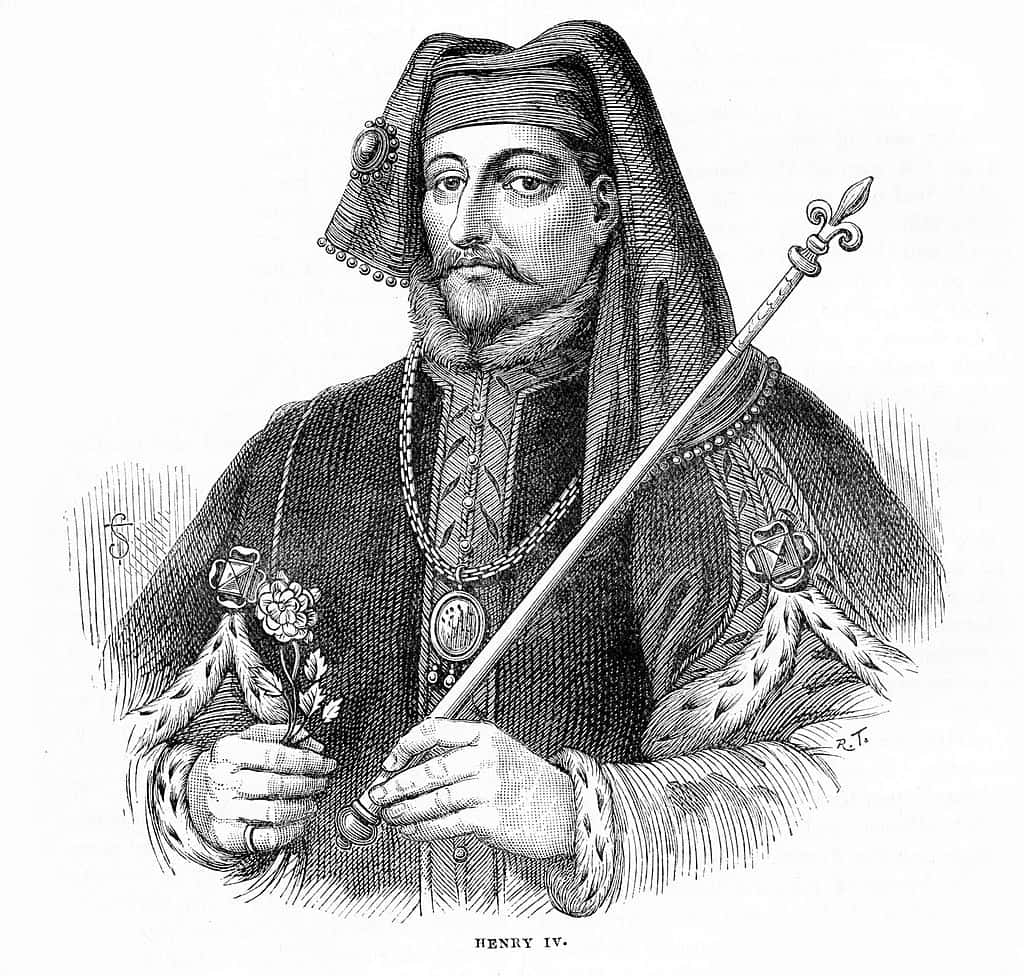
King Henry IV, also known as “Good King Henry” and “Henry the Great,” became the King of Navarre when he was 19 years old. Two months after his reign started, he got married. Protestants went to the city in droves to celebrate the marriage, but they were met with the “St. Bartholomew’s Day Massacre.” King Henry IV nearly did not survive and had to stay in the French Court while he served.
King Henry IV
What King Henry IV Really Looked Like
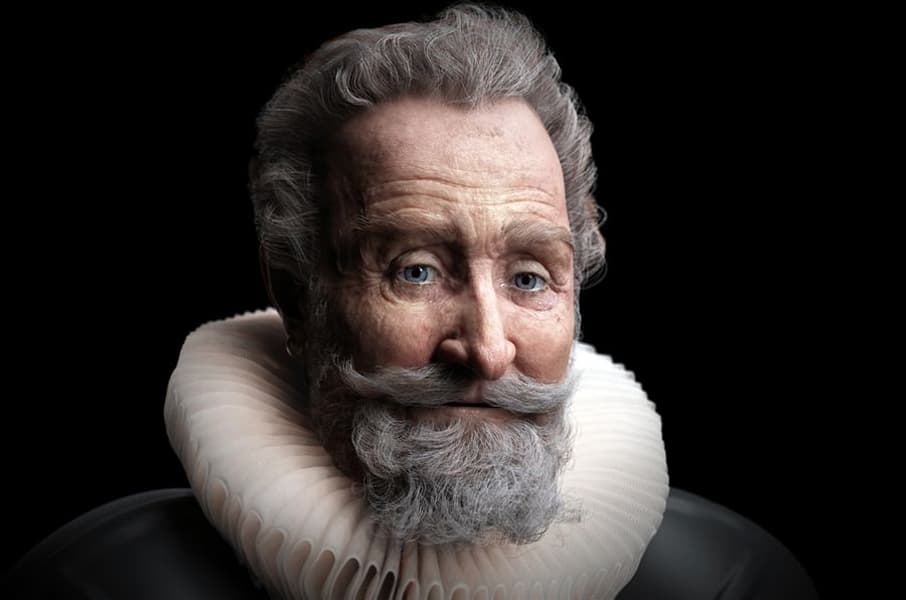
The Good King supposedly managed to survive 12 assassinations attempts, but sadly, he did not survive the 13th assassination attempt, which happened in 1610. He died when a Catholic man stabbed him using a dagger. The Good King’s religious tolerance is the reason why researchers chose him as a subject to recreate. The team who did this recreation is the same team behind the reconstruction of Robespierre –Philippe Froesch (facial reconstruction specialist) and Philippe Charlier (forensic pathologist).
What King Henry IV Really Looked Like
Johann Sebastian Bach
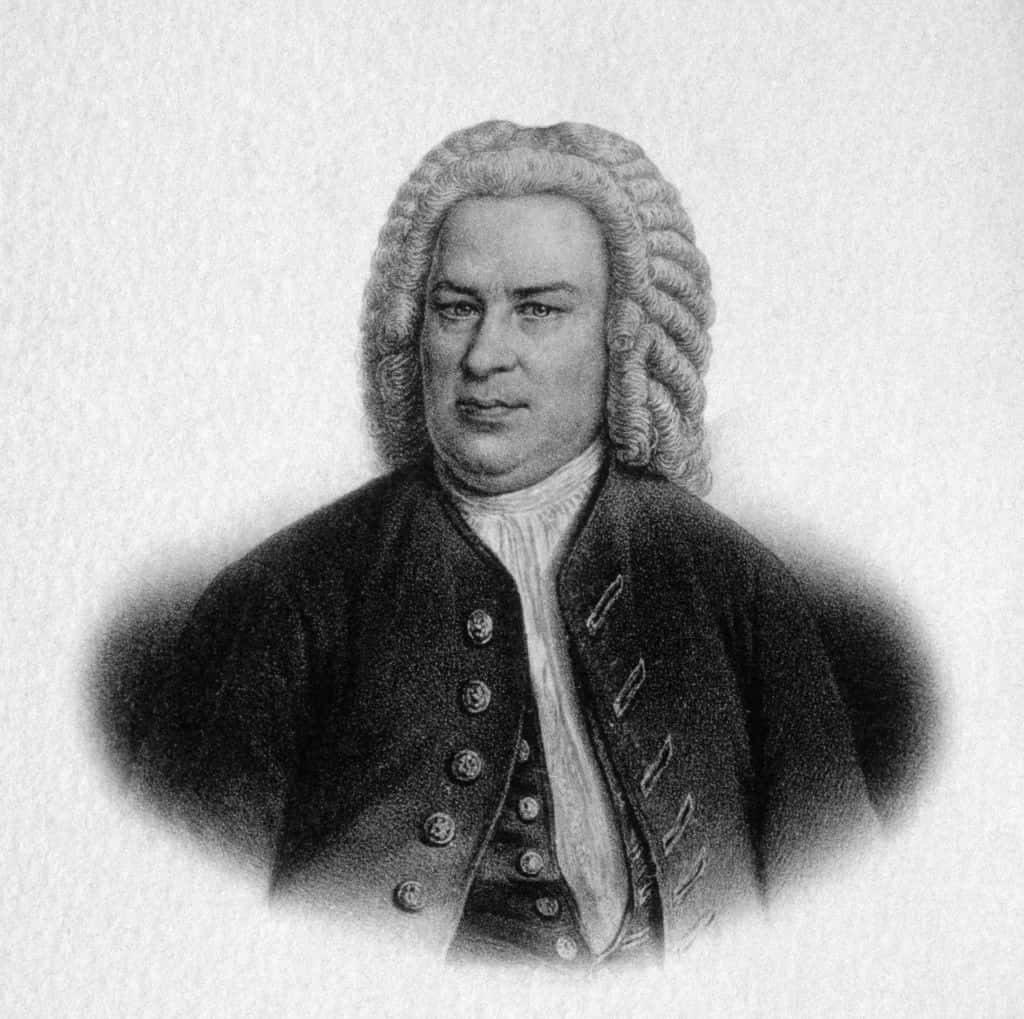
Johann Sebastian Bach was born in Germany in the year 1685. In his day, he was regarded as a great musician, but history tells us that he is one of the best composers that ever lived, a product of the golden age of music. At a young age, he already showed that he was a musical prodigy in terms of the organ, but he wrote music mostly for the church. It is a common sentiment that very few composers can come close to Bach when it comes to accomplishments.
Johann Sebastian Bach
What Bach Really Looked Like
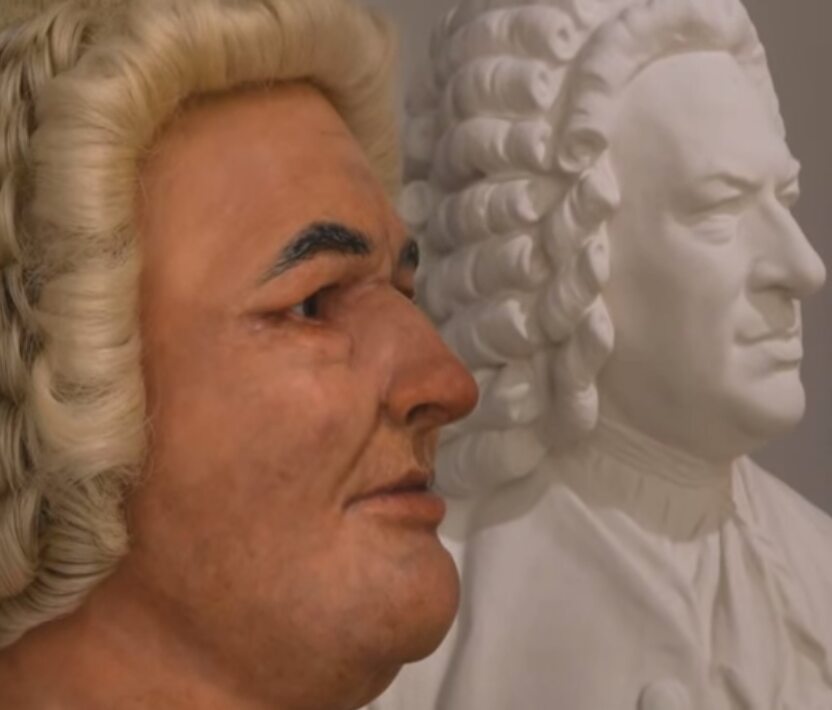
Dr. Caroline Wilkinson from Dundee University utilized a cast of (what is believed to be) Bach’s skull to recreate him. The genius composer was actually buried in an unmarked grave, almost lost to history forever. However, after 150 years, the church where he was buried needed to be renovated, and they thought it was an opportune time to find him. They found a skull that they believe belongs to the composer and they used it to create this image here.
What Bach Really Looked Like
Simón Bolívar
Simón Bolívar was a Venezuelan military leader and is among the most influential figureheads in history. He played a big part in Venezuela’s revolution against Spain. He was born into a considerably wealthy family and he went to Spain to study, but he ended up becoming part of the resistance movement. After France invaded Spain, he was dubbed “El Libertador,” meaning The Liberator. He died in another form of battle – the disease tuberculosis.
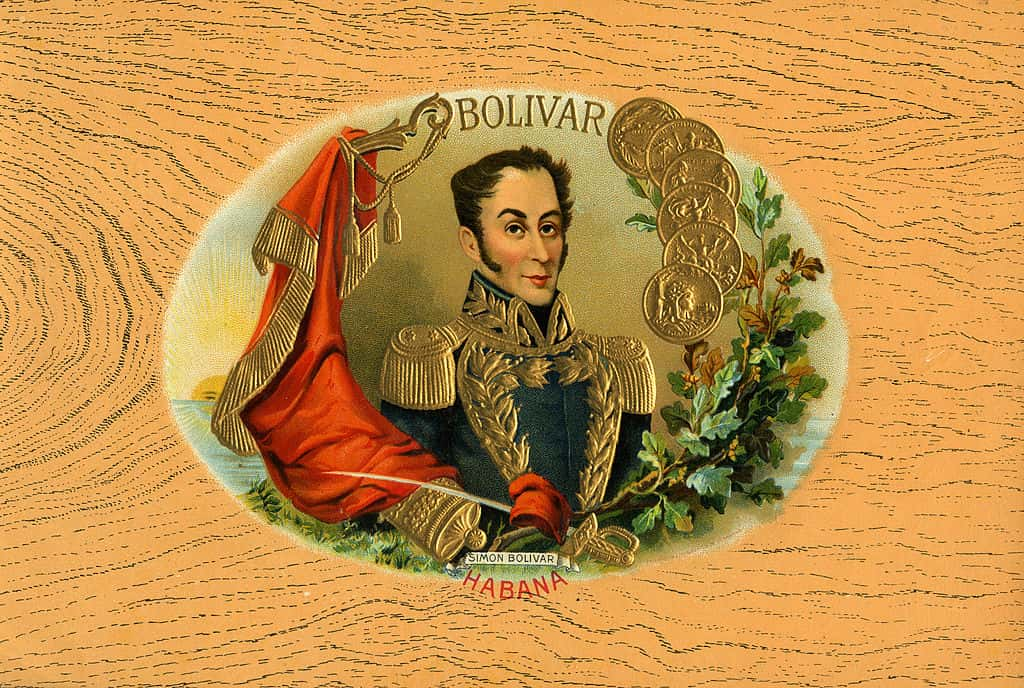
Simón Bolívar
What Simón Bolívar Really Looked Like
You might have thought that the man in this photo was a real human being, but we can’t really blame you because this rendering is so lifelike. The forensic imagery team responsible for this spent one whole year poring through historical documents, with the Venezuelan government extending them a little help. After doing a lot of research, the team created this – a legendary rendering of Simón Bolívar. Many people who see this might find him really aesthetically pleasing, but we bet they wouldn’t think so if they only saw paintings of him.
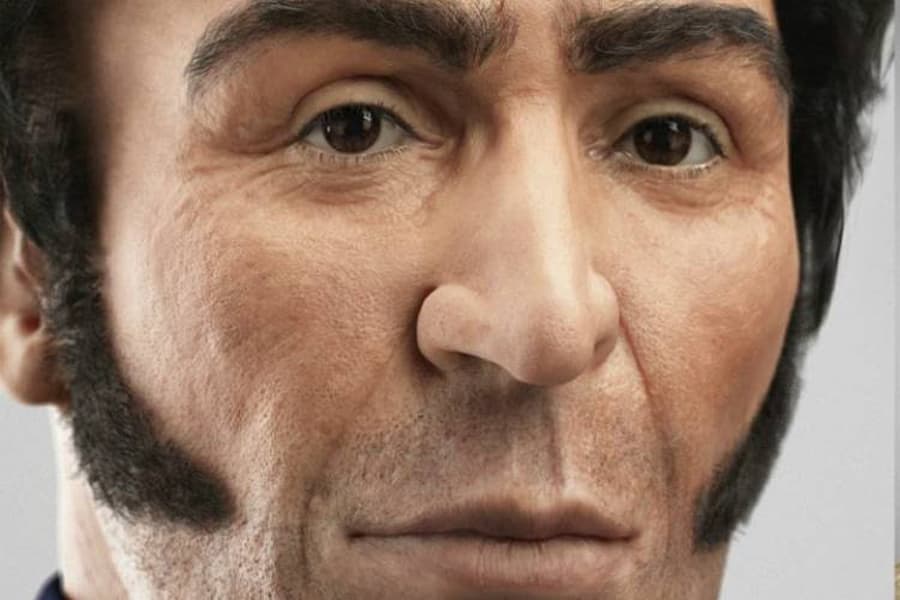
What Simón Bolívar Really Looked Like
Nicolaus Copernicus
Once upon a time, people believed in the Earth-centered universe, but thankfully, Copernicus came along and his theory made things clearer. Born in 1473, Nicolaus Copernicus went on to propose the idea of a sun-centered universe, which we all know still stands true today. Originally from Poland, Copernicus traveled all over Europe because of his mind. Too bad he is no longer with us today since someone has to tell the flat-Earthers that they are wrong.

Nicolaus Copernicus
What Nicolaus Copernicus Really Looked Like
Old artwork of Copernicus do not do him justice, showing him as gaunt and hollowed. Since technology has advanced, it is only right someone would create a much better rendering of the person responsible for showing us the truth about many things like the universe. Even with the new depiction, Copernicus still looks a little miserable. “The price of genius,” some might say.
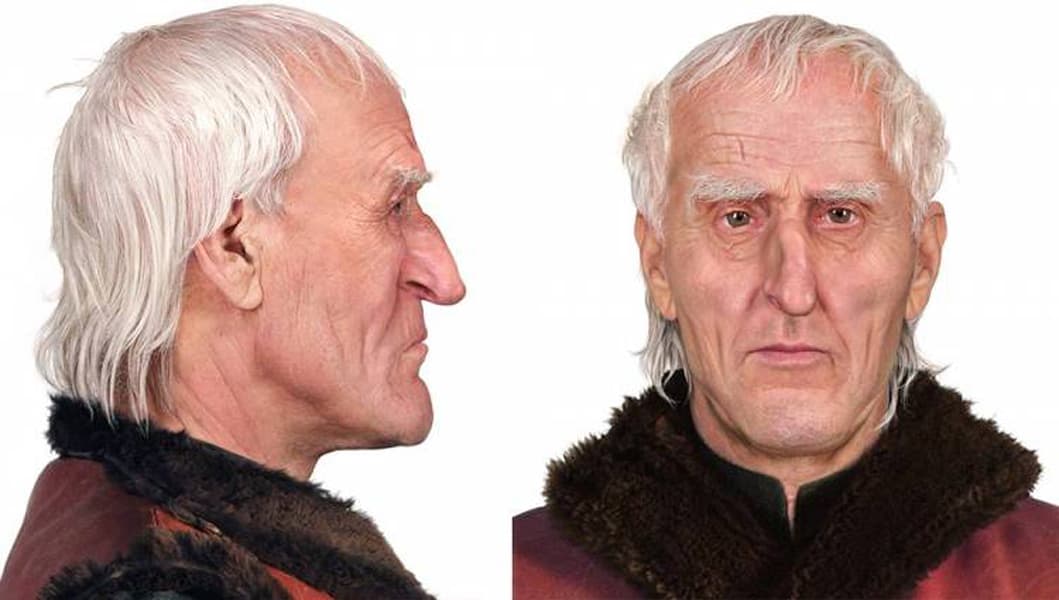
What Nicolaus Copernicus Really Looked Like
The Lady of Cao
Researchers already started excavating the region of El Brujo in Peru before the year 1990, but they only unearthed the mummy they dubbed Lady of Cao in 2005. She was buried in quite a simple cloth and supposedly died around the year 400. It is assumed by experts that she was one of the Moche people, who were around way before the Incas were. She was mummified and buried along with several artifacts, so experts assume she came from aristocracy.
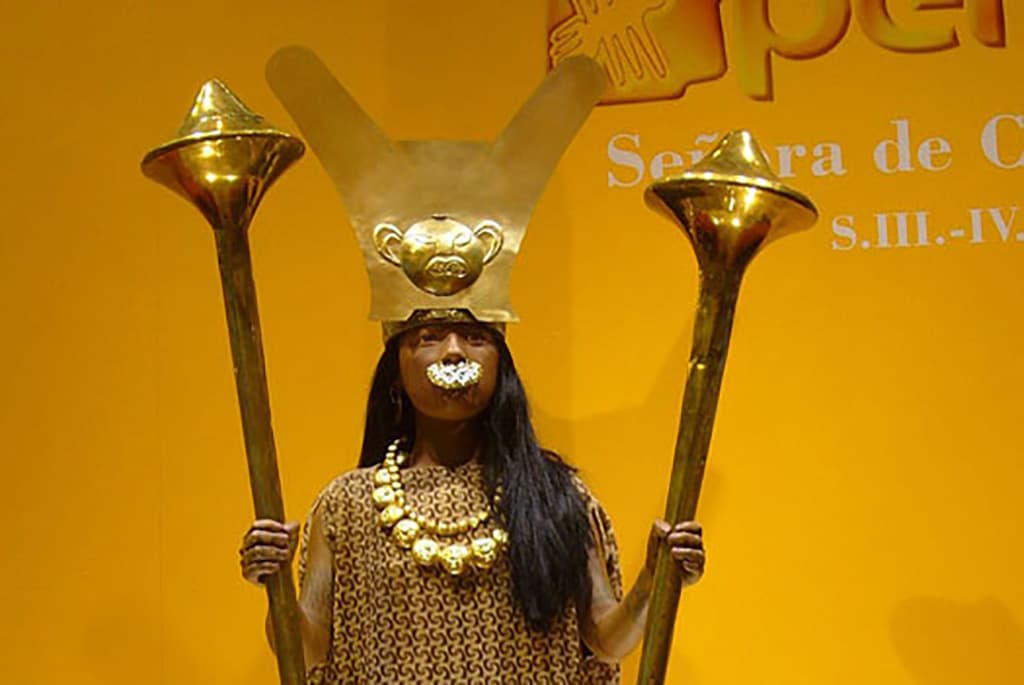
The Lady of Cao
What The Lady Of Cao Really Looked Like
Soon after the discovery of the Lady of Cao, her body was brought to a museum located in El Brujo and was kept in a room with climate control. Visitors of the museum can only view her by looking through glass. She was forensically given life, but it is still unknown what her real role in society was. However, it is believed that the Lady of Cao passed away in her late twenties. There were different objects buried with her, so it is possible that she was a human sacrifice.

What The Lady Of Cao Really Looked Like
St. Nicholas
Saint Nikolaos of Myra, or St. Nicholas as we all known him, is a 4th century Christian who was a Bishop from Turkey. He was known for being an overall caregiver and extremely generous to others. It is believed that he often left presents in children’s shoes that were left outside, which spawned the present-day Christmas holiday tradition that we have. St. Nicholas was a real person, but his myth certainly outgrew the real person’s reputation.
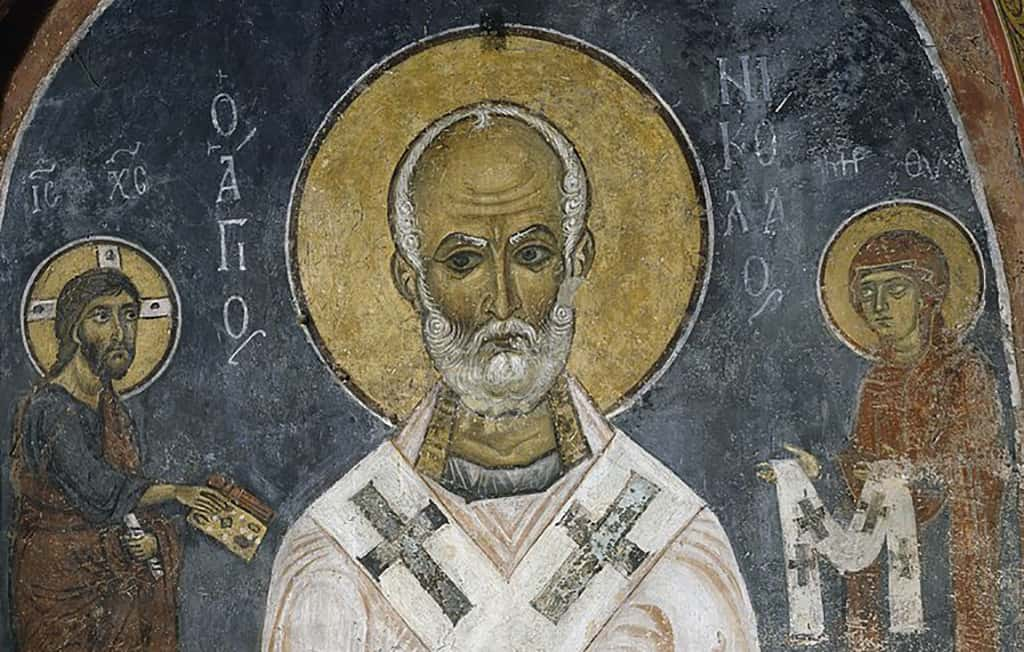
St. Nicholas
What St. Nicholas Really Looked Like
The features of the modern-day Santa Claus are actually quite different from those of the real St. Nicholas, who was from Turkey. St. Nicholas most likely had a darker complexion and his facial traits were probably more Middle Eastern. People in the West tend to assume that figures in history were white like them. However, the reality is that historical figures most likely looked like the people that are from the same regions as they are from.
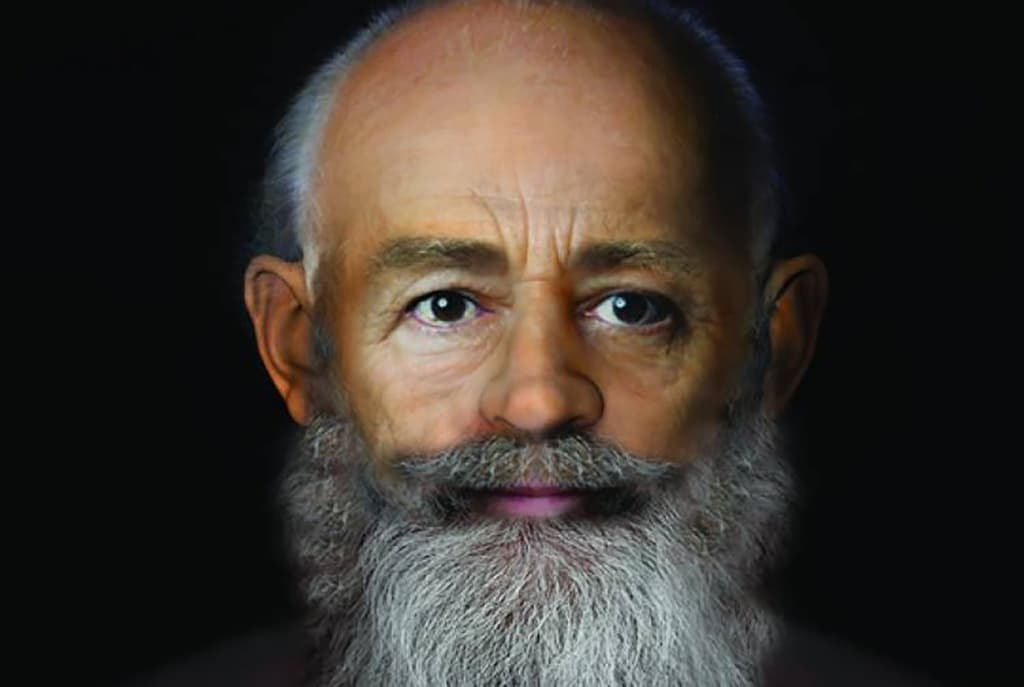
What St. Nicholas Really Looked Like
Giovanni Battista Sidotti
Born in 1668, Apostolic missionary Giovanni Battista Sidotti traveled to Japan to help spread Christianity, which was really dangerous to do at the time. When he arrived, Sidotti attempted to pass himself off as a Samurai but he failed. He was captured and imprisoned by the Japanese until he passed away in 1714. He is sometimes called “the last missionary” and is considered to be a Christian martyr.
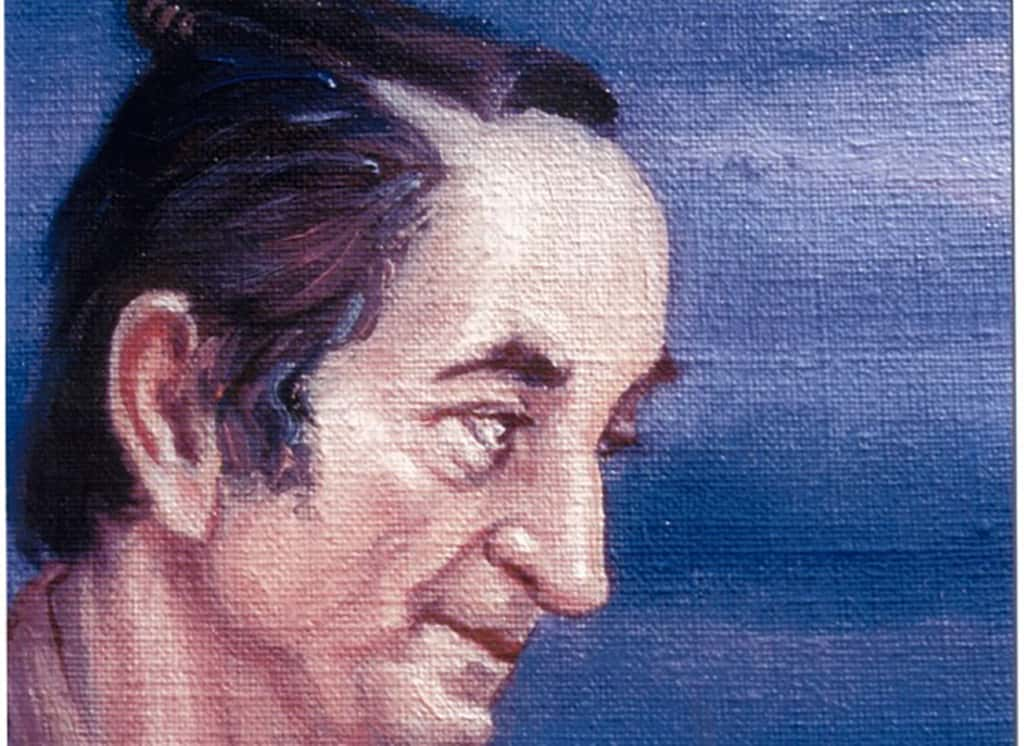
Giovanni Battista Sidotti
What Giovanni Battista Sidotti Really Looked Like
Fortunately, Giovanni Battista Sidotti’s remains were relatively intact when they were found compared to others that have been recovered. His body was discovered in 2014 in an excavation project which had a price tag of over 2 million yen. His intact remains made it much easier to get a more accurate depiction of him. Although his skull had been damaged, the forensic anthropologists had the things necessary to do their work. They say that this image is pretty close to what he possibly looked like.
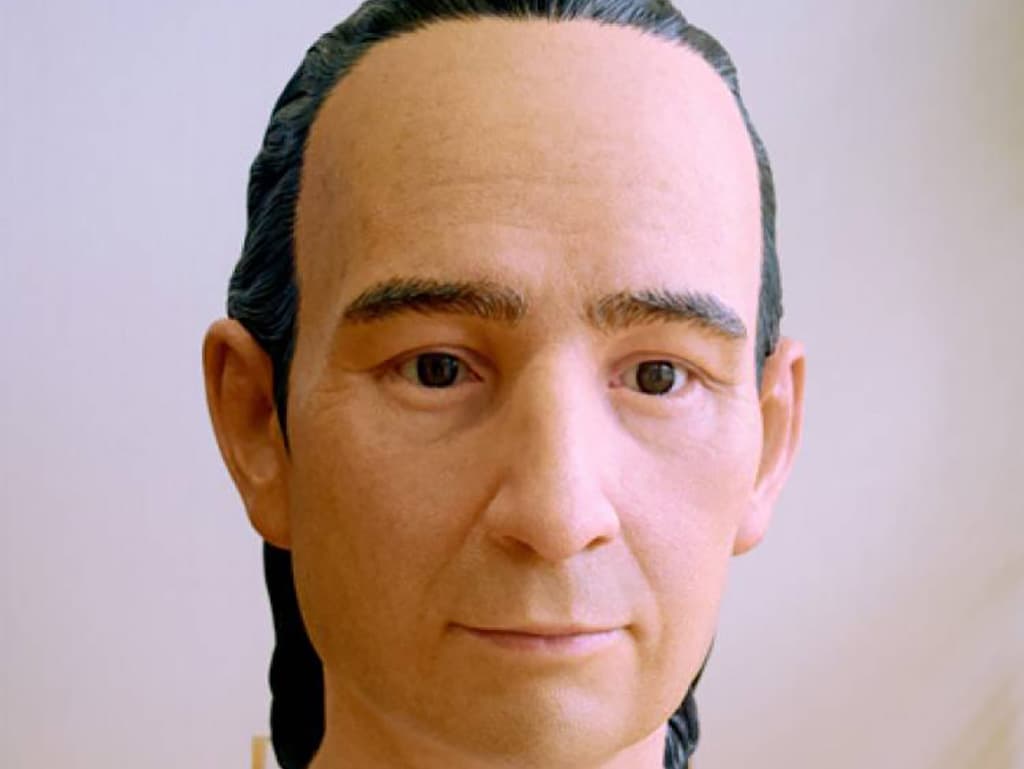
What Giovanni Battista Sidotti Really Looked Like
The Mycenean “Griffin Warrior”
In 2015, there was excavation on a tomb site that dates back to the Bronze Age, particularly around 1450 BC. Inside the tomb, an incredibly intact male skeleton and 14,000 objects, such as weapons and jewelry, were found by archaeologists. There was also an engraving found in the tomb, which could be clues to the identity of the man. Although it is not exactly known who the man is, experts guess he might have been a Mycenaean warrior or priest.
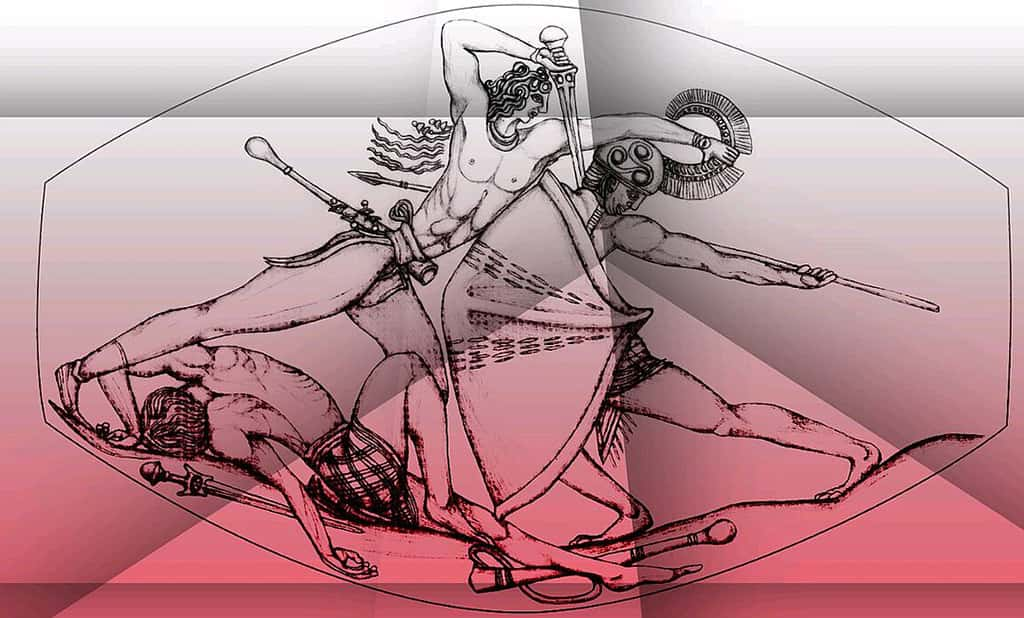
The Mycenean “Griffin Warrior”
What The Mycenean “Griffin Warrior” Might Have Looked Like
Based on the body that was discovered, the man is believed to have been roughly five foot five inches tall. In addition, the combs which were found in the tomb suggest that the Griffin Warrior had long hair. University of the Witwatersrand physical anthropologists Lynne Schepartz and Tobias Houlton used the skull to create a digital reconstruction of the man’s face. It is likely that the man’s eyes were close-set and that he had a prominent jaw.
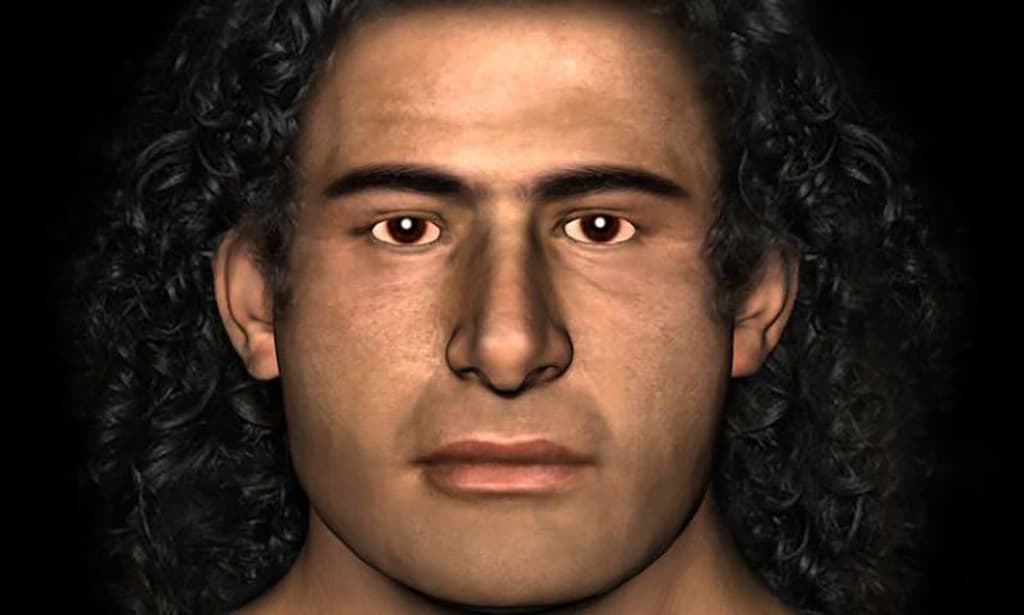
What The Mycenean “Griffin Warrior” Might Have Looked Like
Dante Alighieri
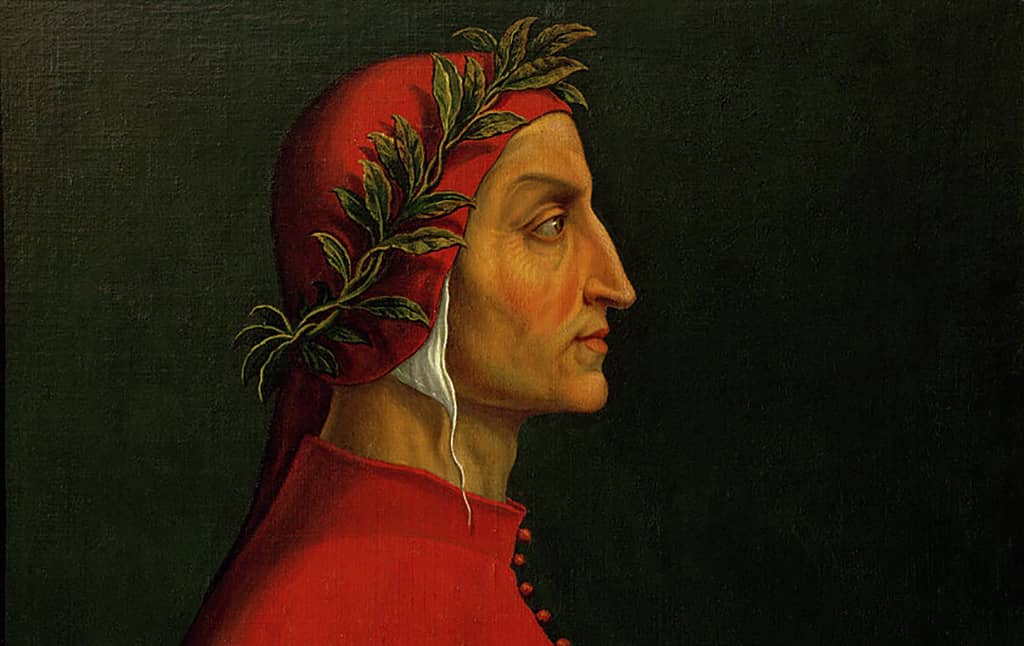
Dante Alighieri is regarded as one of the most influential Italian poets during the Late Middle Ages. His best known work is The Divine Comedy, which basically describes the different aspects of Hell and Heaven that have become common establishments in Christianity. In addition to being a poet, Dante Alighieri is also a respected philosopher whose ideas are still relevant today. In 1321, he died at the age of 56 – relatively advanced for someone in his day.
Dante Alighieri
What Dante Alighieri Really Looked Like
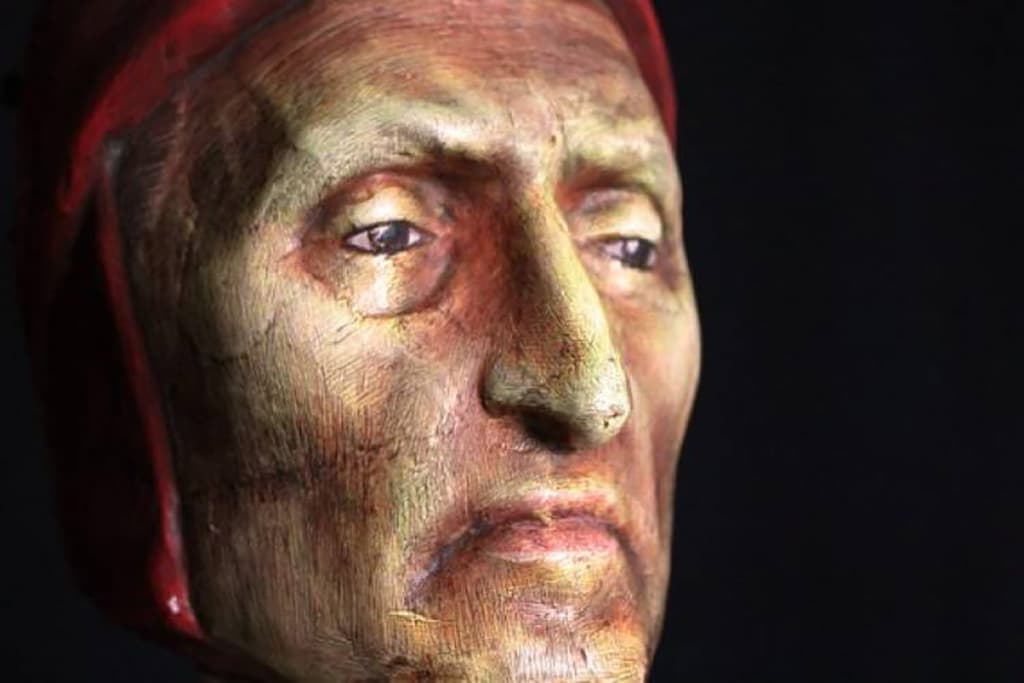
Many portraits of Dante Alighieri are quite similar, so it appears that most artists agreed on his likeness. This helped create the CGI rendering of the famous poet, who had a stern face and hooked nose. The experts took measurements of his skull that was discovered back in 1920. In comparison to his portraits, this CGI rendering shows Alighieri with a softer facial expression, a more rounded jaw, and bigger eyes.
What Dante Alighieri Really Looked Like
Maximilien Robespierre
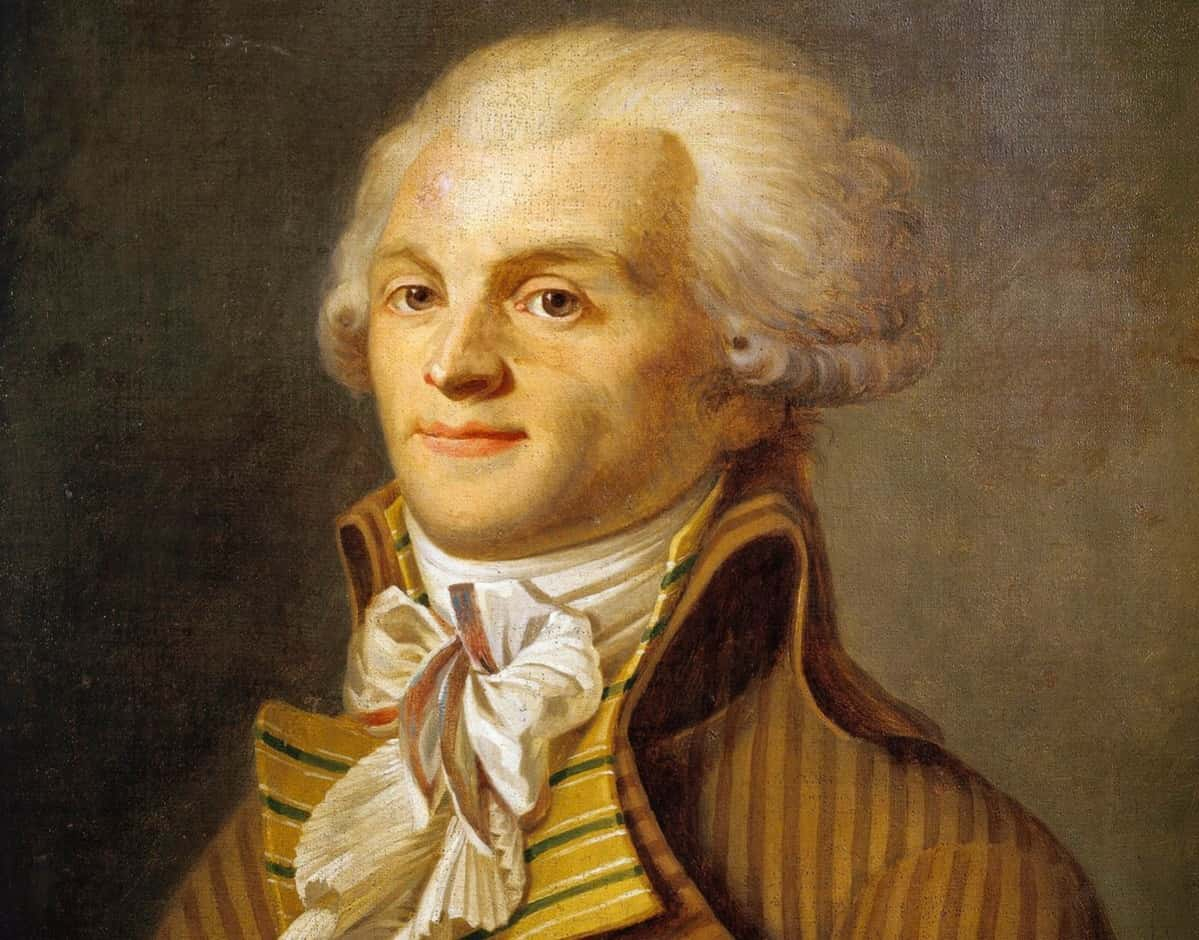
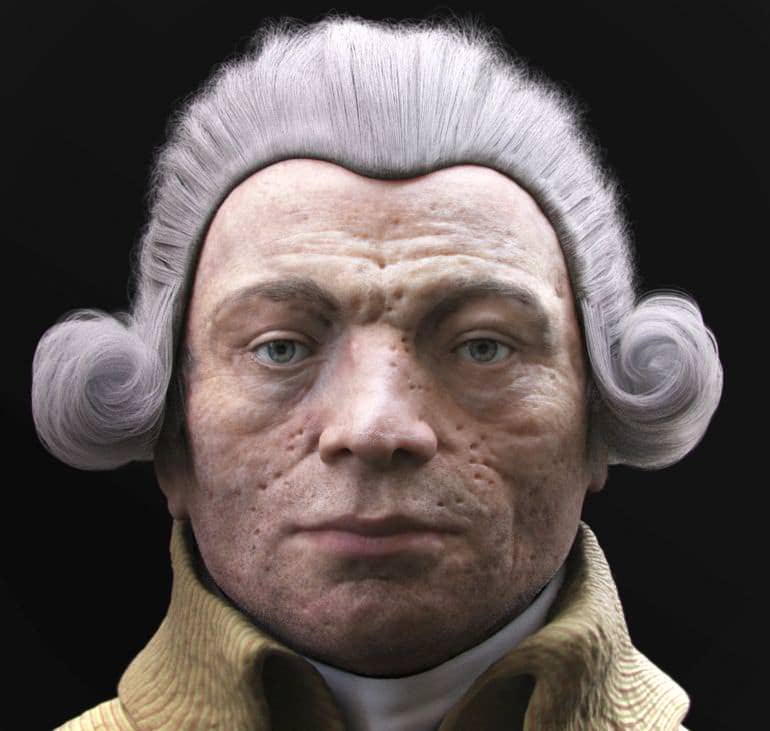
French lawyer and famous politician Maximilien Robespierre was involved in the French Revolution. His advocacy included religious tolerance, universal manhood suffrage, abolition of slavery in French colonies, and abolition of celibacy. He played an important role in the establishment of the First French Republic and became the deputy to the National Convention. The French politician is best known for his major part in France’s “Reign of Terror.” Researchers used modern technology in order to determine what Robespierre might have looked like.
Maximilien Robespierre
What Maximilien Robespierre Really Looked Like
In 2013, Philippe Charlier and Philippe Froesch, who are a forensic pathologist and a facial reconstruction specialist respectively, teamed up to reconstruct the face of the poster boy of the French Revolution. In addition to the work of art which was created to flatter Robespierre, the two experts used the death mask of Robespierre, which supposedly was made by Madame Tussaud. She used Robespierre’s decapitated head to create the mask. On July 28, 1794, Robespierre was executed.
What Maximilien Robespierre Really Looked Like
Mozart
Wolfgang Amadeus Mozart was born in Salzburg, Austria on January 27th, 1756 and died in Vienna on December 5th, 1791. He was an extremely influential and talented composer who lived during the classical era. Mozart first showed promise at a young age, being an expert on both the keyboard and violin, and at the tender age of 5, he already composed and performed for royalty in Europe. During his career, he composed more than 600 works, choral, operatic, chamber, concertante, and symphonic music. Mozart is still extremely popular even now and has extraordinary influence on Western music.

Mozart
What Mozart Really Looked Like
After his untimely death, the skull of Mozart was uncovered. His conserved head was the basis of the facial reconstruction done by Pierre-François. It is easy to identify Mozart owing to his eyes’ poor bone rim protection, which lends a feminine look. In addition, he had a rather short head and prominent cheekbones. This replica also brilliantly shows his white hairstyle and blue eyes.

What Mozart Really Looked Like
Ramses II
Ramesses the Great or Ramses II reigned from 1279 to 1213 BC and became the 3rd pharaoh of the 19th Dynasty of Egypt. He was born in the year 1303 BC, and it is estimated that he had around 48 to 50 sons and 40 to 53 daughters. He passed away at the age of 90 in 1213 BC. He is considered the greatest and most powerful pharaoh of the New Kingdom. There are five monuments which pay tribute to him in Egypt.

Ramses II
What Ramses II Really Looked Like
When Ramses II died, his final resting place was the tomb KV7 in the Valley of the Kings. However, his remains were moved to a royal cache at some point. Because of looting, priests moved his remains, rewrapped them, and placed them in the tomb of Queen Ahmose Inhapy. Just 72 hours later, the body was moved again to the tomb of priest Pinedjem II. This is confirmed by the hieroglyphics that cover Ramses II’s coffin. In 1881, his body was found and is now displayed in Cairo’s Egyptian Museum.

What Ramses II Really Looked Like
Tiberius
Tiberius’ reign started in 14 AD and ended when he died on March 16, 37 AD. Tiberius was born in Rome, Italy on November 16, 42 BC in a Claudian family. His parents were Tiberius Claudius Nero and Livia Drusilla, and he had the exact same name as his father. Tiberius succeeded Augustus and became the second Roman emperor. One of his popular quotes is, “In a free state there should be freedom of speech and thought.”

Tiberius
What Tiberius Really Looked Like
Tiberius died at the age of 78, but the cause of his death remains a bit of a mystery. It is believed that he was smothered with his sheets, though it is also said he was poisoned by his succeeder, Caligula. Tiberius Palace was located on the Palatine Hill and to this day, the ruins are still there, which has become a popular tourist spot. As you can see, this wax figure shows the color of Tiberius’ eyes, bone structure and distinct nose.

What Tiberius Really Looked Like
Marcus Agrippa
Born in 63 BC, Marcus Agrippa was a Roman architect, consul, statesman, and general best known for being Emperor Augustus’ right-hand man and best friend. In addition, Marcus was the son-in-law of Gaius Julius Caesar Octavianus. If you travel to Rome, many of the buildings that you will see had been designed by Marcus Agrippa. In addition, he was responsible for the victory against Cleopatra and Mark Antony at the Battle of Actium. Marcus later died in the year 12 BC.

Marcus Agrippa
What Marcus Agrippa Really Looked Like
Marcus Agrippa was 51 years old when he died in Campania, Italy. He was honored by his good friend Augustus, who put on a huge funeral, mourning for more than 30 days. Augustus also oversaw the children of Marcus and their education. Before he died, Marcus had already prepared a tomb for himself, though it was never used since Augustus had his friend’s remains placed in his own mausoleum. Artists believe Marcus Agrippa looked like this during his reign.

What Marcus Agrippa Really Looked Like
Huarmey Queen
The Huarmey Queen was among the most important individuals in the Wari (Huari) culture of Peru. She and her people lived in the Andes Mountains’ coastal areas and the south-central Andes, between 700 and 1000 AD. Actually, the Huarmey Queen and the Great Pyramid of Giza are the same age. Archaeologists found the Queen in the Ancash region, which is north of Lima. Her remains were unearthed in El Castillo de Huarmey (Huarmey’s Castle), which is a well-preserved pyramid mausoleum, together with the remains of 57 other noblewomen.

Huarmey Queen
What The Huarmey Queen Really Looked Like
Scientists decided to give this 1200-year-old queen an actual physical form, which makes her look pretty realistic. The bodies of the Huarmey Queen and all the noblewomen were found in a seated position and in rows of fives. Needless to say, there were incredible artifacts, silver bowls, and copper, gold and silver jewelry buried with the women.

What The Huarmey Queen Really Looked Like
Saint Zdislava Berka
The Roman Catholic Church Czech saint Saint Zdislava Berka was Havel of Markvartice, the wife of the Duke of Lemberk. Although she was very strict, she was also really generous. She established a convent and on May 21, 1995, she was recognized as a Saint officially. Zdislava was born in the Czech Republic in 1220 and died in 1252. Her family was Moravian and they lived in Křižanov, which is in the Southern part of the country.

Saint Zdislava Berka
What Saint Zdislava Berka Really Looked Like
In 2018, this very real looking digital forensic reconstruction was released. Virtual reconstructionists believe this is what Saint Zdislava Berka would look like today. Because of her remains, with her cheekbones and jaw very much intact, the experts were able to achieve this pretty realistic look.

What Saint Zdislava Berka Really Looked Like
Trajan
Born in September 53 AD, Trajan was in power as the emperor of Rome from 98 AD until his death in August 117 AD. The Roman Senate declared him optimus princeps, which means “the best ruler.” Trajan is remembered for being among the most successful soldier-emperors in history. It probably helps that he led Rome in one of its greatest military expansions ever. Around the time he died, the empire had achieved its maximum territorial extent.

Trajan
What Trajan Really Looked Like
The facial reconstruction of Trajan was based on a marble bust, which was unearthed by archeologists. They estimated the bust was made in the year 113 AD because of its quality, which makes it look like the artist saw the emperor in person. They discovered the statue dismembered into more than 356 pieces because of an earthquake years ago. Thanks to the well-made marble bust, Trajan’s reconstruction is very real looking.

What Trajan Really Looked Like
‘Ava’
In Scotland’s Northern region, you can find the site of Achavanich, which is a pretty mysterious place due to the well-known horseshoe-shaped arrangement of rocks. Back in 1987, researchers were able to complete facial reconstruction of a woman whose body they discovered on the site. They called her ‘Ava’ and they concluded that she was between the ages of 18 and 22 when she died. Her skeletal remains date back to over 3,700 years ago.

‘Ava’
What ‘Ava’ Really Looked Like
Thanks to archaeologists Hew Morrison and Maya Hoole of the ‘Achavanich Beaker Burial Project’ and the facial reconstruction they did on Ava, plenty of details on the anthropology and history of the Bronze Age have been discovered. Because of Ava’s DNA, scientists were able to get an idea of what she would look like today.

What ‘Ava’ Really Looked Like
Otzi The Iceman
Otzi the Iceman lived during the Copper age, specifically between 3400 and 3100 BCE. Other names of the well-preserved natural mummy were the Hauslabjoch mummy, the Tyrolean Iceman, the Man from Hauslabjoch, and the Similaun Man. He was discovered in the Ötztal Alps between Italy and Austria in September of 1991. Otzi is the oldest known natural human mummy of Europe, and his body and belongings are displayed in the South Tyrol Museum of Archaeology located in Bolzano, Italy.

Otzi The Iceman
What Otzi The Iceman Really Looked Like
The mummy of Otzi the Iceman has given us a look into the Europeans who lived in the Copper Age. The body was really well-preserved since it was in ice for roughly 5,300 years. The naturalistic reconstruction of Otzi would not have been possible if his body had not been discovered in such good condition. Because of the well-preserved body, archaeologists and scientists were able to get a pretty good idea of what he might have looked like many years ago.

What Otzi The Iceman Really Looked Like
Owain Glyndwr
It was Welsh rebel Owain Glyndwr’s goal to end the rule of the English in Wales in the late Middle Ages. Born in 1359, he reigned from 1404 until he died in 1415. In case you did not know, Owen Glendower was actually a character in the play Henry IV, Part 1 by William Shakespeare. The King was portrayed as exotic and wild, ruled by magic and emotion.

Owain Glyndwr
What Owain Glyndwr Really Looked Like
The movie The Face of Glyndwr shows viewers how experts reconstructed the face of the Welsh Prince. They used 3D and CGI technology to give life to Owain Glyndwr. An expert facial reconstructionist said, “We have come as close as anyone ever will to finding out what the Welsh rebel actually looked like.”

What Owain Glyndwr Really Looked Like
Emily Dickinson
Emily Dickinson is considered the most famous female American poet. She was born in Massachusetts in 1830 and died in 1886. As a young girl, she studied at an all-girls school. She was a pretty isolated child, and this way of life extended into adulthood. In 1890, society finally started to appreciate the amazing poetry that she wrote when she was in complete isolation.

Emily Dickinson
What Emily Dickinson Really Looked Like
It is hard to imagine Emily Dickinson today. However, modern technology has made it easier for us to do so. It is amazing that both she and her writing are beautiful. She lived over a century ago, but we can have a pretty good idea of what Emily would look like if she were alive today.

What Emily Dickinson Really Looked Like
Marie Antoinette
Born in 1755, Marie Antoinette was an Austrian Princess who later became France’s queen. In fact, she was the last queen as the French Revolution happened afterward. Marie’s life was fairly complicated since she was often used as a pawn to strengthen main allegiances in Europe. Marie was known for being pretty decadent and for her impressive reign as a queen.

Marie Antoinette
What Marie Antoinette Really Looked Like
With technology, we can have a glimpse of what Marie Antoinette would look like if she were alive today. She would probably wear this business-casual look so that she is more with the times. All her expensive gowns and glitz just doesn’t seem to have a place in today’s fashion.

What Marie Antoinette Really Looked Like
Annie Oakley
Annie Oakley was an American exhibition shooter and sharpshooter who was born in 1860 and died in 1926. At the young age of 15, her true talent was showcased when she won against marksman Frank E. Butler in a match. The two later got married and soon after, joined the Wild West show of Buffalo Bill. One of the most famous quotes by Annie is, “I ain’t afraid to love a man, I ain’t afraid to shoot him either”.

Annie Oakley
What Annie Oakley Really Looked Like
Every single picture of Annie Oakley on the internet is absolutely stunning. Lucky for us, reconstructive artists have chosen to do their incredible work on her. We now have an even clearer image of how she looked. Doesn’t she look like she would fit in the 21st century?

What Annie Oakley Really Looked Like
What A 500 Year Old Dubliner Really Looked Like
In 2014, archaeologists discovered the remains of a man who lived to be 500 years old. His skeleton was found along with 4 others and all of them showed signs of heavy manual labor and malnutrition. Researchers believe this means they had a low socioeconomic status. After experts preserved the skull, they created quite an accurate image of what the man would look like today.

What A 500 Year Old Dubliner Really Looked Like
Jane Of Jamestown
Jane was only 14 years old when she passed away. Jane lived during the 1600s, a period when people did anything to stay alive, including turning to cannibalism. The young girl was actually eaten by her co-settlers in Jamestown. Her leg bones and skull were discovered in a cellar back in 2012.

Jane Of Jamestown
What Jane Of Jamestown Really Looked Like
Dr. Douglas Owsley, the chief forensic anthropologist of the Smithsonian National Museum of Natural History, examined Jane. He said the cuts and marks on her were from trying to separate brain and tissue from bone. The doctor could see why it had happened since starvation was so rampant in Jamestown in the winter of 1609.

What Jane Of Jamestown Really Looked Like
Mary Rose Archer
The warship Mary Rose was used by King Henry VIII’s English Tudor navy. It sank in 1545 when it was attacked by the French, but was discovered after almost 500 years. Many of its crew members were found and their remains were examined. One of the said crewmen was this archer.

Mary Rose Archer
What A Mary Rose Archer Really Looked Like
Algae and other organisms made it difficult to analyze the bodies, but experts somehow managed to execute their work. The professionals succeeded in identifying quite a few things about this particular archer, such as the fact that he stood at 6 feet and was a long-bow wielder. To give him life, they did a 3D print and facial reconstruction.

What A Mary Rose Archer Really Looked Like
Robert Burns
Born in 1759, Robert Burns was a Scottish lyricist and poet whose most famous works include “The Battle of Sherramuir” and “Auld Lang Syne.” He passed away at the age of 37 in 1796. Using his skull, researchers reconstructed what Burns would look like if he were alive today.

Robert Burns
What Robert Burns Really Looked Like
To this day, the national poet of Scotland is still celebrated around the world. Researchers decided to create a facial reconstruction of the famous man if he were alive in this era. Don’t you think it’s quite spot on?

What Robert Burns Really Looked Like
What A Medieval Maiden From Edinburgh Really Looked Like
Forensic experts discovered a group of more than 400 medieval children, women, and men at the burial ground of South Leith Parish Church in Edinburgh, Scotland. In 2009, preparations were being carried out for the new train system of the country and excavators came across the bodies. The remains of this medieval woman was excavated in a communal grave, though the cause of death remains unclear. Scientists guess that the plague or another infectious disease did her in.

What A Medieval Maiden From Edinburgh Really Looked Like
What A Beachy Head Lady Really Looked Like
Experts initially thought that Beachy Head Lady was a European Roman who live in the 3rd century, but when after examining her again, they realized that she was actually a sub-Saharan African that had lived in the UK’s Eastbourne area. Heritage Officer Jo Seaman revealed, “Whether that means that she’s the first generation, we don’t know. She could possibly have been born in Africa and brought over here at a very young age, but it’s just as likely that she was born here.”

What A Beachy Head Lady Really Looked Like
Early Neolithic Stonehenge Man
This is a facial reconstruction that centered around a skeleton of an adult male excavated in 1863. It was found in Winterbourne Stoke, Wiltshire. By using skeletal analysis, the man, who was about 40 years old, can be dated back 5,500 years. He lived approximately 500 years before the first Stonehenge monument was built.

Early Neolithic Stonehenge Man
Context 958
This man lived around 700 years ago. His image was brought about through analyzing his teeth and bones. Context 958 is research being done by Cambridge University in order to look more into Medieval Times and learn more about it. The study is looking to understand how these people lived and died. This man was most likely a patient in St. John’s hospital. By assessing the wear and tear of his bones, it was found that he was a hard-working man.

Arish
Arish lived in Tunisia – at the time it was named Carthage. He’s thought to be between 19 and 24 years old, dating back 2,500 years ago. Thanks to modern investigation techniques and dermoplasty, scientists were able to reconstruct his appearance as if he were still alive.

Arish
John De Strivelyn
A medieval Scottish knight, John De Strivelyn died in 1378. His remains were found at Stirling Castle underneath a long-lost 12-century royal chapel. This image was created using advanced digital scanning combined with replication. Once that was ready, a medical artist painted the final result.

John De Strivelyn
Whitehawk Woman
This woman lived as much as 5,600 years ago and died before the age of 25. It’s possible she died during childbirth since her remains contained the remains of a fetus in her pelvic area. She was excavated from one of Britain’s earliest Neolithic sites which once were the Whitehawk Enclosure.

Whitehawk Woman
Ditchling Road Man
This man was named after the road-widening project that brought about the discovery of his remains in 1921. It is said he was part of the first farmers from 2,400 B.C. that arrived from Central Europe. This man’s remains showed he was malnourished several times in his life, which stunned his growth. He died between the ages of 25 and 35. He was buried with a Beaker vessel and snail shells.

Ditchling Road Man
Slonk Hill Man
The Slonk Hill man was found in 1968 but his death is unknown. He died roughly 2,300 years ago and was buried in a way that was typical to Britain’s Iron Age; in a semi-crouched position. Strong in stature, the man was buried above mollusks and alongside some weapons, suggesting he was a warrior.

Patcham Woman
This woman was likely a resident of Roman Britain. Her burial site might just be a 1,700-year-old crime scene. Her remains were buried in a pit. An array of nails were found near her knees, with one pitted in the back of her skull. After analysis, it was found that she suffered from stress, disease, and a difficult physical life.

Patcham Woman
Stafford Road Man
The discovery of this man’s remains indicated the first wave of Saxons who traveled to Britain once the Roman Empire collapsed. He was found near a spear and a knife, so it’s said he lived an active and prolonged life. He died at age 45. The man had arthritis as well as dental abscess’ which were likely the cause of his death as the infection spread to his brain eventually.

Stafford Road Man
Neanderthal Woman
This woman marks the movement between continental Europe and the British Islands. It’s said it was easier back when the last Ice Age occurred. Evidence has shown that both Neanderthals and modern people lived in Brighton 40,000 years ago.

Neanderthal Woman
Early Modern Man
This man further proves the theory of modern humans and neanderthals living together 40,000 years ago. A possible overlap may have occurred then. This man’s remains were found in Europe. Tools made by modern humans further prove this theory.

Early Modern Man
Kennewick Man
This man was found on a bank of the Columbia River in Kennewick, Washington. He was one of the most complete skeletons ever found. This skeleton was studied for decades. In 2015, it was revealed that he had the most similar DNA to Native Americans. This led to plenty of controversy. The remains were then returned for reburial as the Umatilla people and other tribes demanded. He actually became part of a 9-year court case between scientists and tribal people.

Kennewick Man
Naia
One of the first Americans, Naia was a teenager who died tragically by falling in an underwater cave in Mexico. The cave dried up about 12,000 years ago and was then nicknamed “dark hole”. This teen’s genetic makeup resembled an isolated group that came from Asia. She succumbed to a harsh upbringing since men were violent at the time, often engaging in fights.

Naia
Tsar Ivan The Terrible
Tsar Ivan the Terrible was the first prince of Moscow. The terrible man was said to have suffered from multiple mental illnesses, as evident by the way he acted when he was in power. This reconstruction was done by M. Gerasimov, a Soviet archaeologist, and anthropologist. It uses some of the first techniques of forensic culture.

Tsar Ivan The Terrible
Marcus of Eindhoven
This 10-year-old boy was said to have lived in medieval times. A silver coin was found on his skeleton along with some materials and silk. Thanks to the coin, archeologists were able to know that he died between 1202 and 1342, in the Venetian era. DNA led to the discovery that he was a boy.

Marcus of Eindhoven