
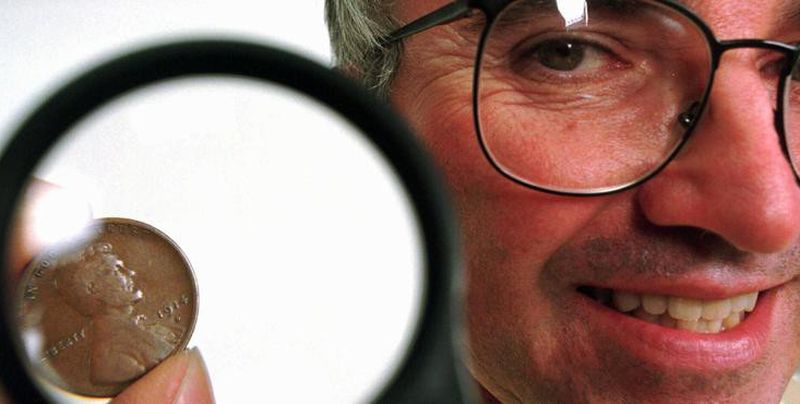
Coin collecting is an ancient hobby. It is said that people started doing this in ancient Rome! While other people do it for the kicks, some serious collectors aim to turn a profit. Like a lot of coins, the penny has gone through various compositions and designs over the years. Who would have that the one-cent coin could be worth thousands and even millions of dollars? Take a look at this list of the 20 most valuable ones out there. You might want to check your coin purse to see if you own any of them!
Pennies That Can Fetch You A Lot More Money Than Their Face Value
Determining How Much A Penny Is Worth
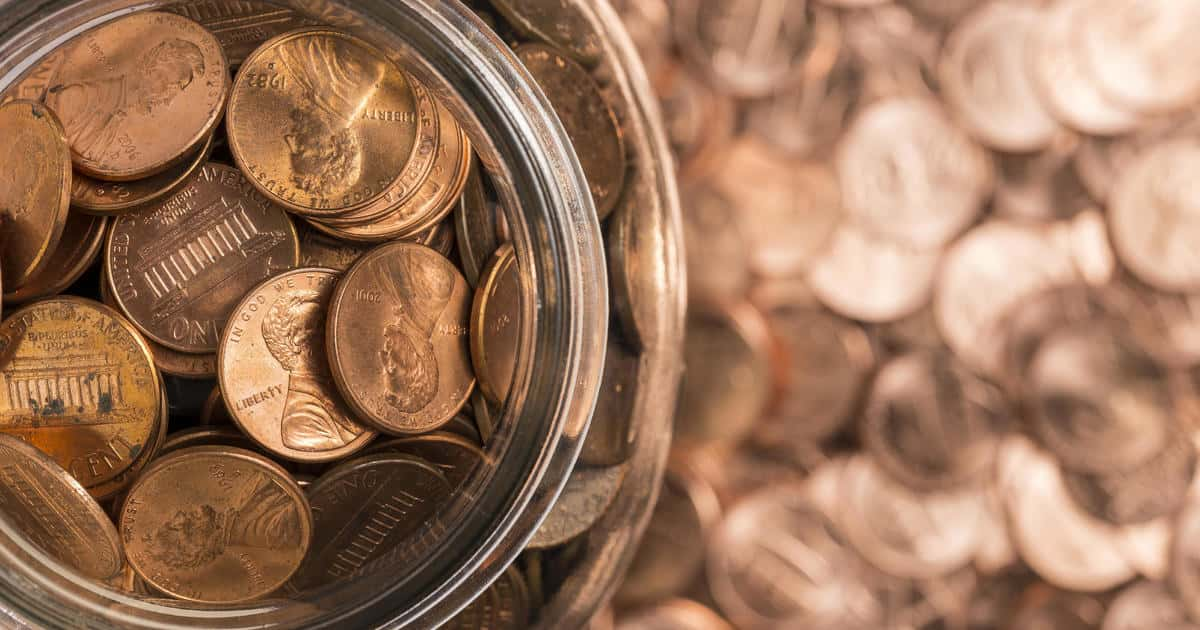
The most commonly used coin evaluation method is the modified Sheldon Scale, which gives coins a grade of anywhere from 1 to 70. The most valuable ones will get a perfect score of 70. When it comes to rating a coin, its color, wear, and rarity will be used. Most pennies made are worth no more than a single cent. Those minted from 1909 to 1956 are worth around 4 to 5 cents, but those in better condition are double digits! However, these coins are worth much more than that.
How To Determine The Value Of A Penny
1873 Doubled ‘Closed 3’ Indian Head Penny Front
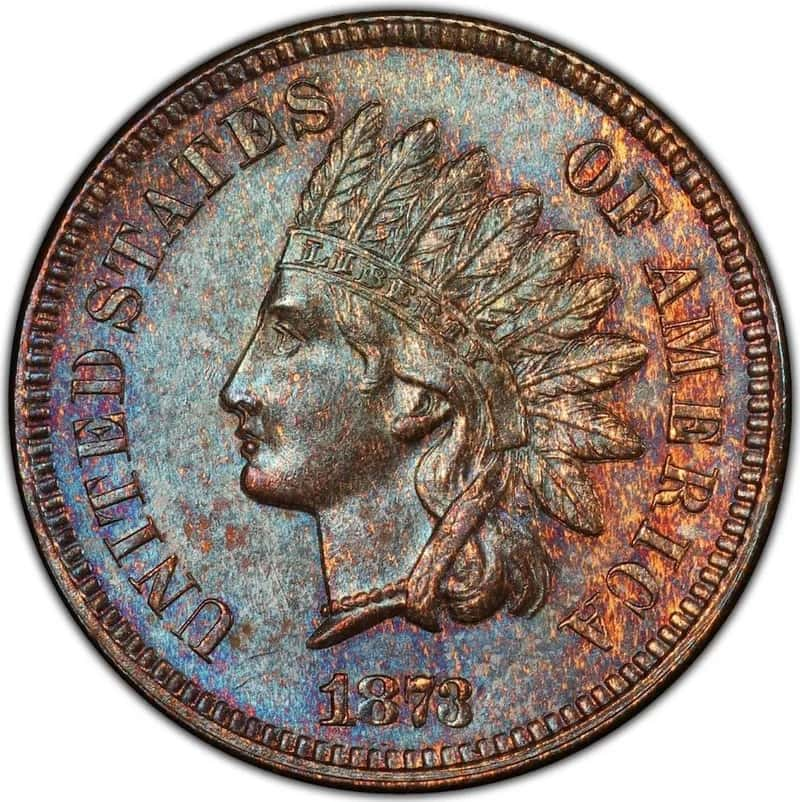
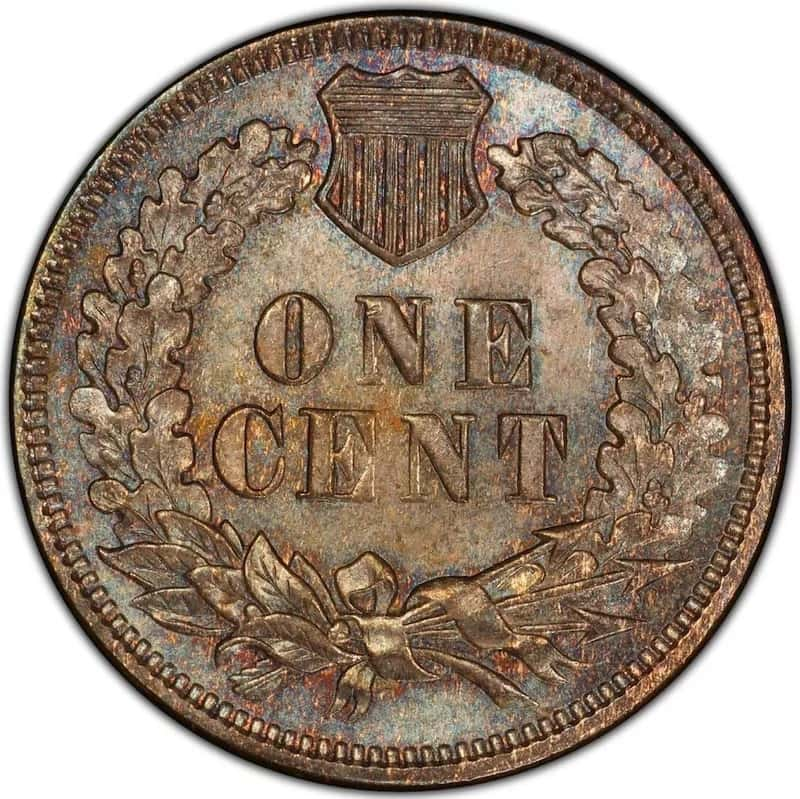
Weighing 3.11 grams, 1873 Doubled ‘Closed 3’ Indian Head Penny went for $12,650 at an auction. It is valuable thanks to doubling, which you will find in “LIBERTY.” They only made around a million of the “closed 3 coins.” On the other hand, around 11 million “open 3” coins made it into circulation.
1873 Doubled ‘Closed 3’ Indian Head Penny Front
1873 Doubled ‘Closed 3’ Indian Head Penny Back
But what does open and closed mean? Take a look at the amount of space in “3” on it. The variety came about thanks to the difference in the numeral used. In October 2011, one of them with a red-brown coloration and nearly uncirculated condition was auctioned off at a Heritage Auction in Pittsburgh.
1873 Doubled ‘Closed 3’ Indian Head Penny Back
1793 Flowing Hair Liberty Cap Large Cent Penny Front
The Flowing Hard large cent went into production in 1793. However, we are talking about the third iteration of this series of coins. Introduced in late 1793, the Liberty Cap went for $19,950 on eBay! It was made out of copper and weighed 13.48 grams.
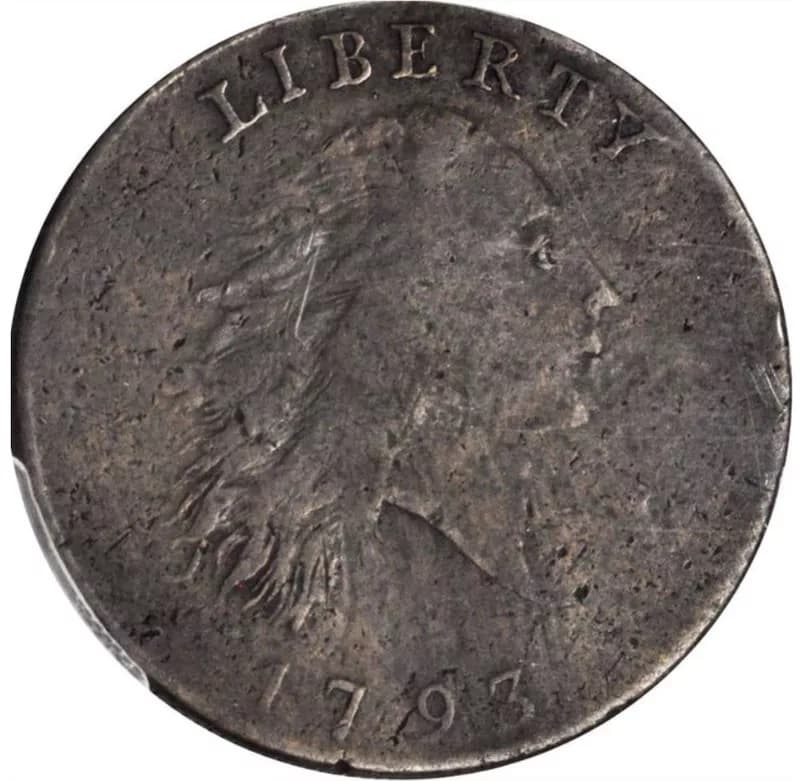
1793 Flowing Hair Liberty Cap Large Cent Penny Front
1793 Flowing Hair Liberty Cap Large Cent Penny Back
From 1793 to 1796, the mint kept producing until the Draped Bust type was introduced. It is considered to be a rare coin. This is the reason even those with smoothed surfaces still go for a lot of money! In January 2019, a collector bought it on eBay for nearly $20,000.
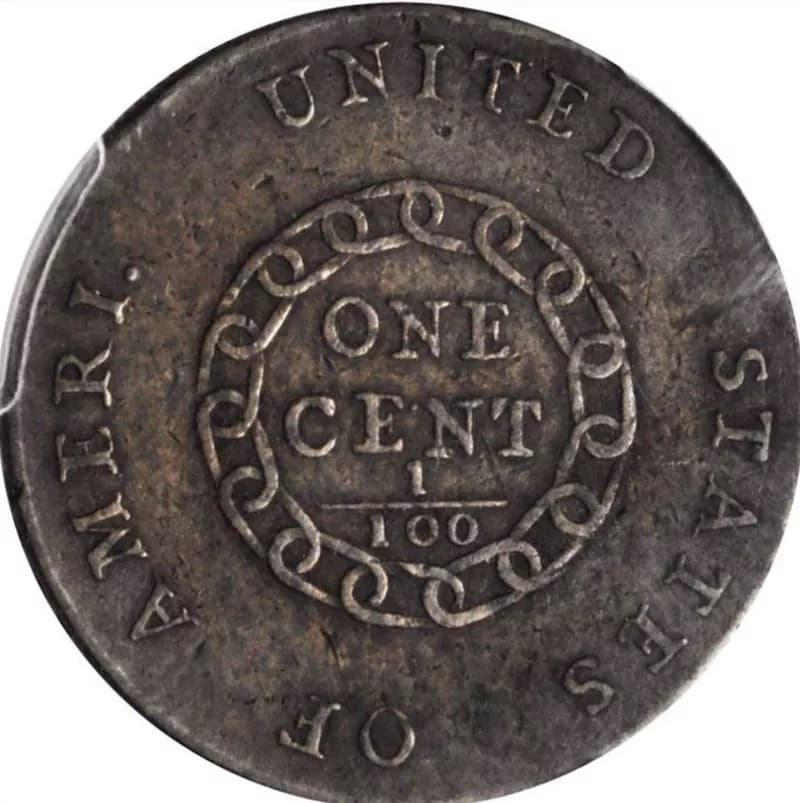
1793 Flowing Hair Liberty Cap Large Cent Penny Back
1922 Lincoln No D Strong Reverse And Weak Obverse Wheat Penny Front
Isn’t it amazing to hear that this Lincoln, No D, Strong Reverse, and Weak Obverse Wheat Penny is worth $48,000? It weighed 3.11 grams. When it comes to its components, tin, zinc, and copper were used during the production. This coin entered production in 1922.
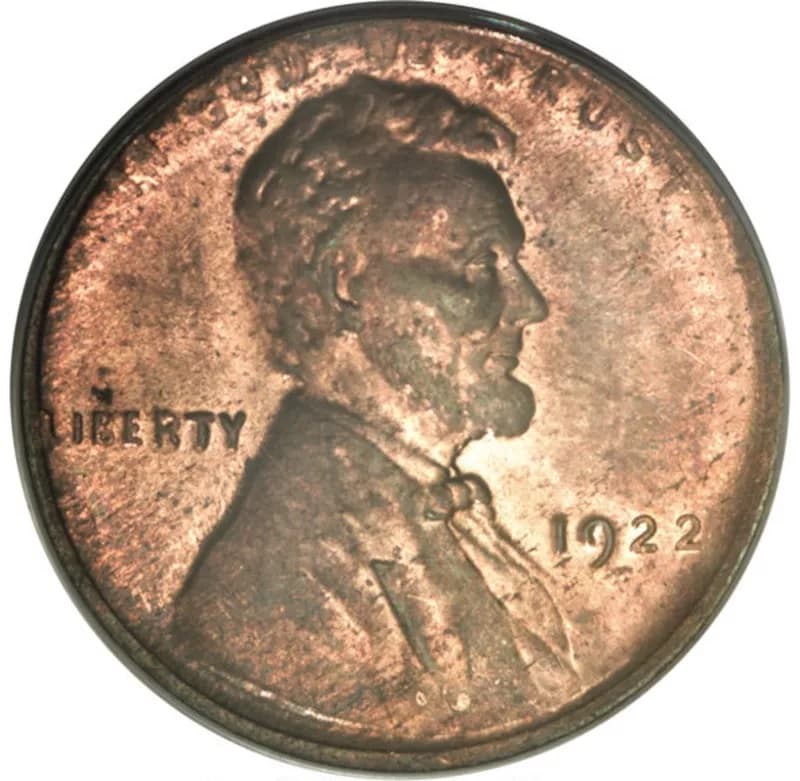
1922 Lincoln No D Strong Reverse And Weak Obverse Wheat Penny Front
1922 Lincoln No D Strong Reverse and Weak Obverse Wheat Penny Back
This coin is similar to the 1922 D Lincoln, No D, Strong Reverse, Die Pair 2 somehow. For one thing, it is also missing its mint mark on its face side. The reverse image, however, is not very sharp. Heritage Auctions sold one of these in excellent condition for a stunning sum of money in March 2018.
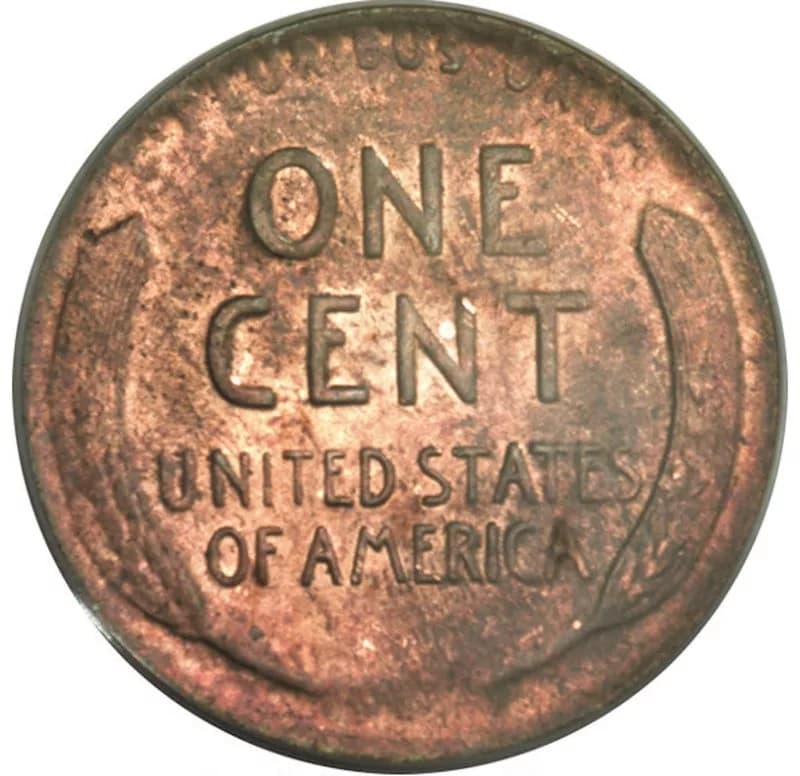
1922 Lincoln No D Strong Reverse And Weak Obverse Wheat Penny Back
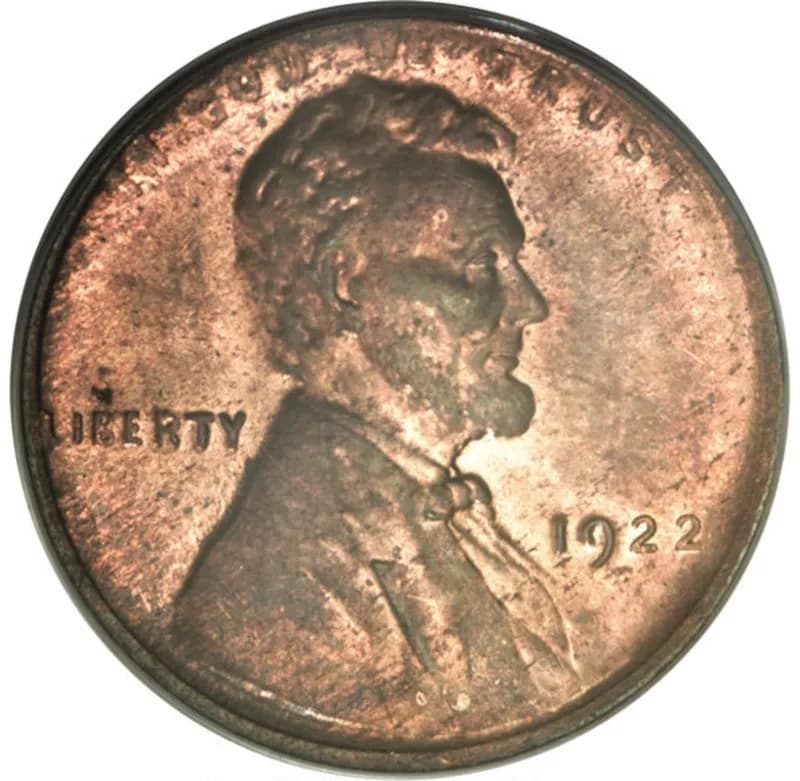
1922-D Lincoln, No D, Strong Reverse, Die Pair 2 Front
A damaged die or two at the Denver Mint led to coins with no mintmark. While most unmarked coins come from Philadelphia, the only mint to make pennies in 1922 was Denver. About 15,000 to 20,000 coins were made this way! This one weighed 3.11 grams and was made of copper, tin, and zinc.
1922 D Lincoln, No D, Strong Reverse, Die Pair 2 Front
1922-D Lincoln, No D, Strong Reverse, Die Pair 2 Back
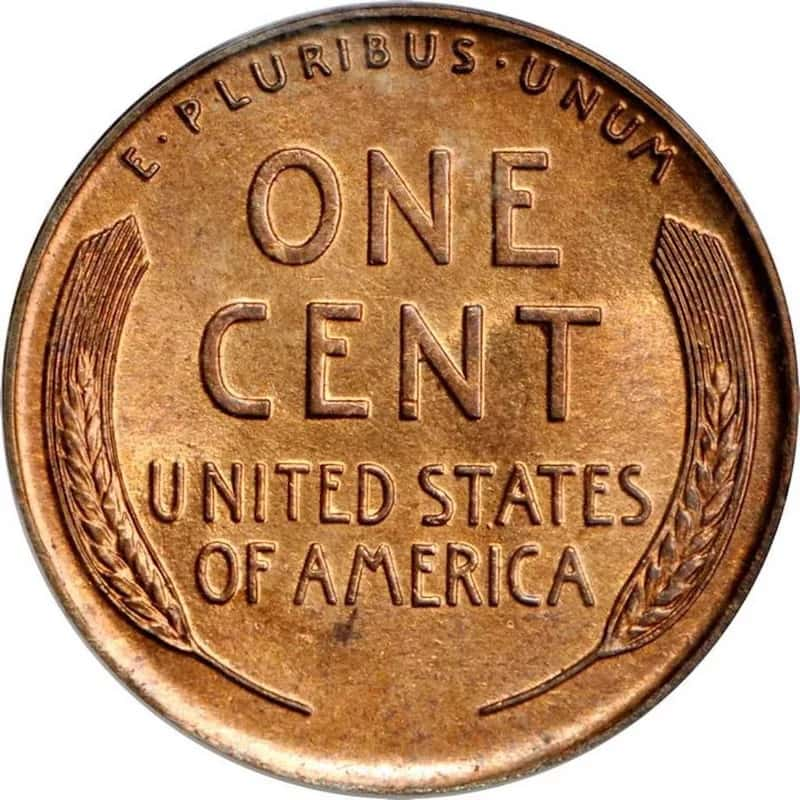
You will notice that the image on the other side is sharper compared to the face side. What gives? Well, this actually makes sense since the back was struck using a fresh die. This is why it is a lot clearer. In March 2018, a red coin in excellent condition went for $63,000 in Baltimore!
1922 D Lincoln, No D, Strong Reverse, Die Pair 2 Back
1914-S Lincoln Penny Front
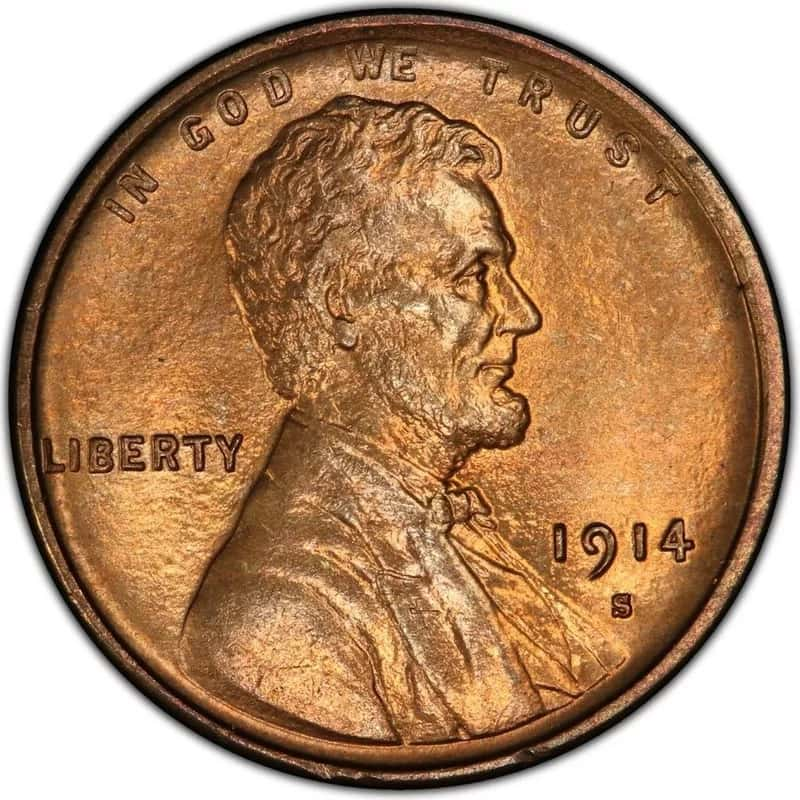
More than 4 million of the 1914-S Lincoln pennies were created at the San Francisco Mint. So that you know, this is the reason it comes with the S designation! It was made of copper, tin, and zinc and boasted a weight of 3.11 grams. Are you impressed by how pristine this one is? So are we!
1914 S Lincoln Penny Front
1914-S Lincoln Penny Back
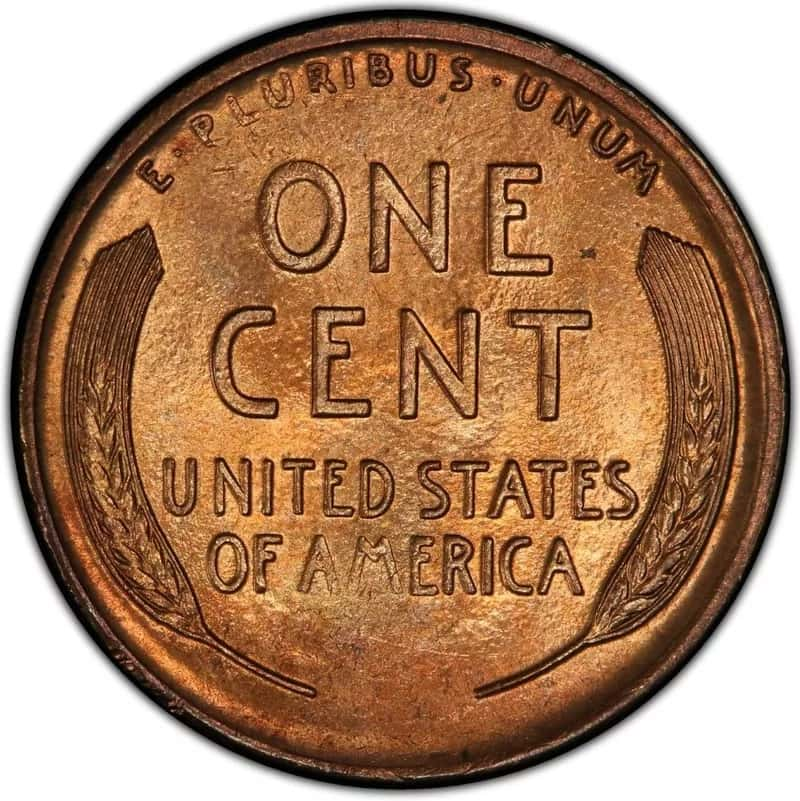
Based on the look of things, this one was uncirculated and then stored properly. That is the only explanation for its immaculate condition. It is amazing to see how well it has retained its bright color. Bowers & Morena sold this penny as part of the Anne Kate Collection Part II for $105,800.
1914 S Lincoln Penny Back
1944-D Lincoln Penny Front
Here is another penny that some people consider to be a “mistake.” The 1944-D Lincoln penny was struck on a zinc-coated coin blank or steel planchet. In 1944, the mint started to use copper planchets again. Like most pennies on the list, this particular coin also weighed 3.11 grams.
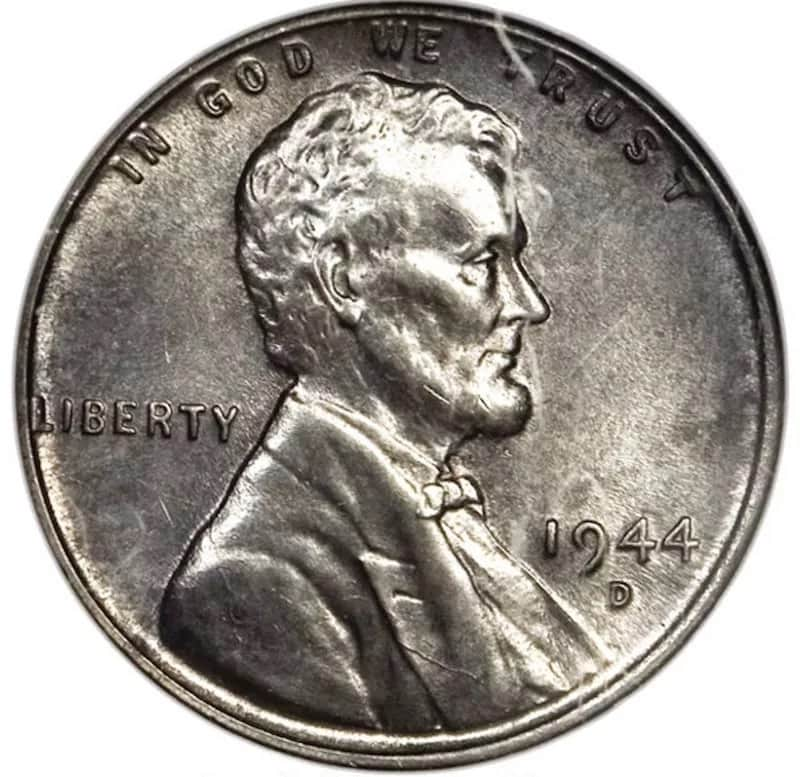
1944 D Lincoln Penny Front
1944-D Lincoln Penny Back
Even though there are certain coins in zinc from the Denver and Philadelphia Mints, it is believed that only a handful came from the former. As a matter of fact, it is believed that no more than ten came from there! In August 2007, an uncirculated one was auctioned off for $115,000 by Heritage Auctions in 2007.
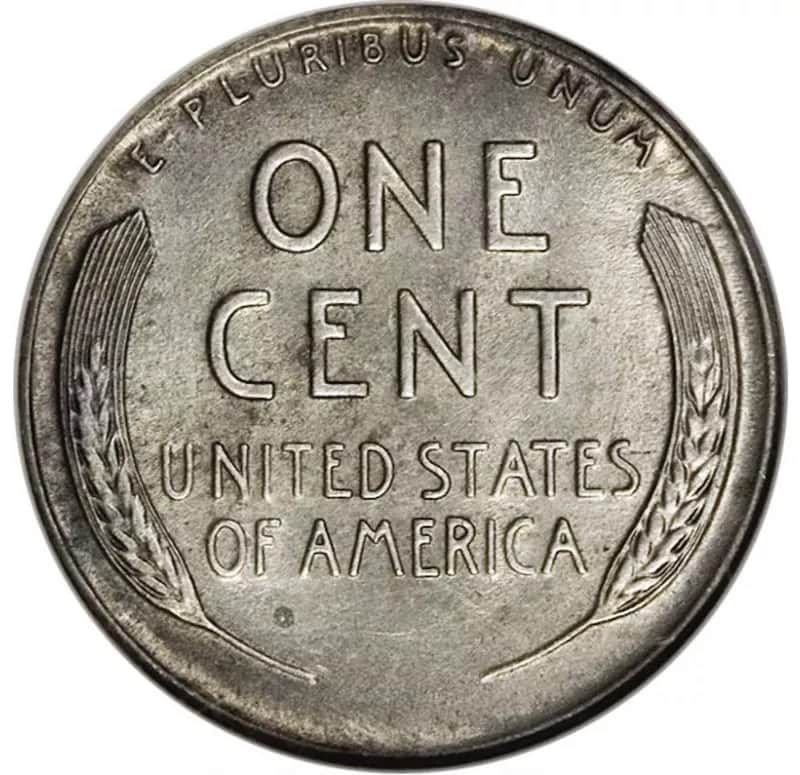
1944 D Lincoln Penny Back
1969-S Lincoln Penny Doubled Die Obverse Front
The Lincoln pennies produced from 1959 to 1982 are often worth more money than usual. After all, they were nearly pure copper instead of an alloy. Dies that were improperly prepared resulted in coins that had a “double” image. The most famous error took place in 1955, but it also happened to 1917, 1936, 1958, 1969, 1971, 1971-S, 1972, and 1995 pennies.
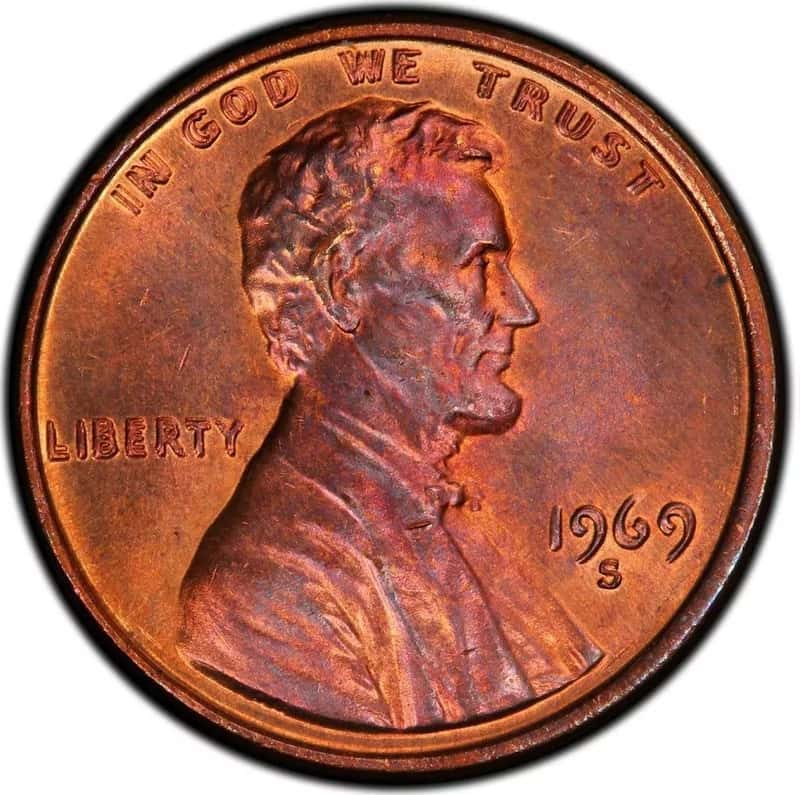
1969 S Lincoln Penny Doubled Die Obverse Front
1969-S Lincoln Penny Doubled Die Obverse Back
This penny was originally thought to be counterfeit. As a matter of fact, the government went on to destroy five of these coins before it acknowledged that it was actually a minting error! An uncirculated 1969-S Doubled Heritage Auctions auctioned off-die Lincoln Penny in Orlando for $126,500.
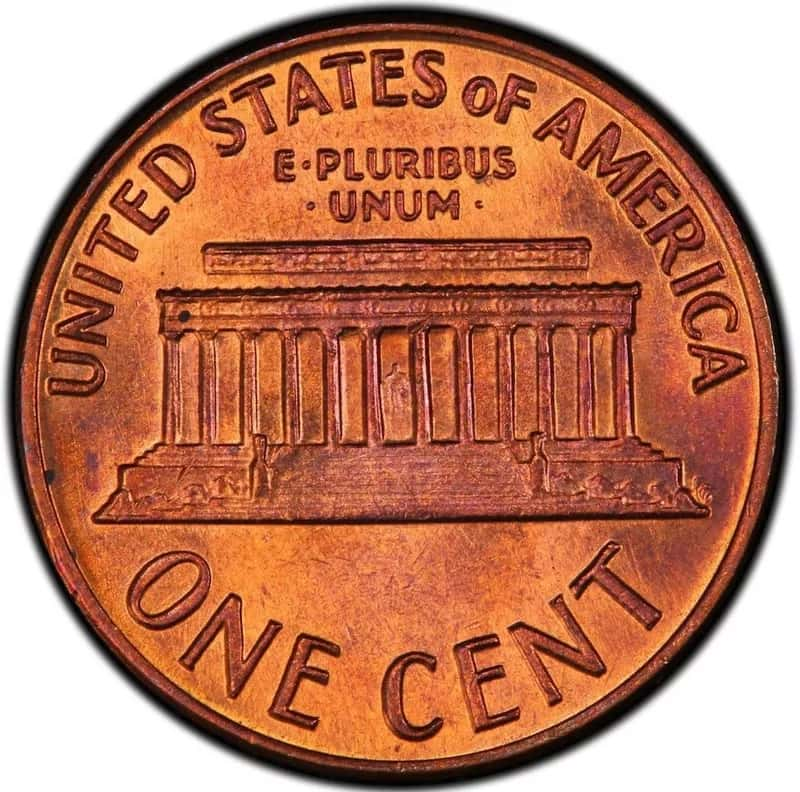
1969 S Lincoln Penny Doubled Die Obverse Back
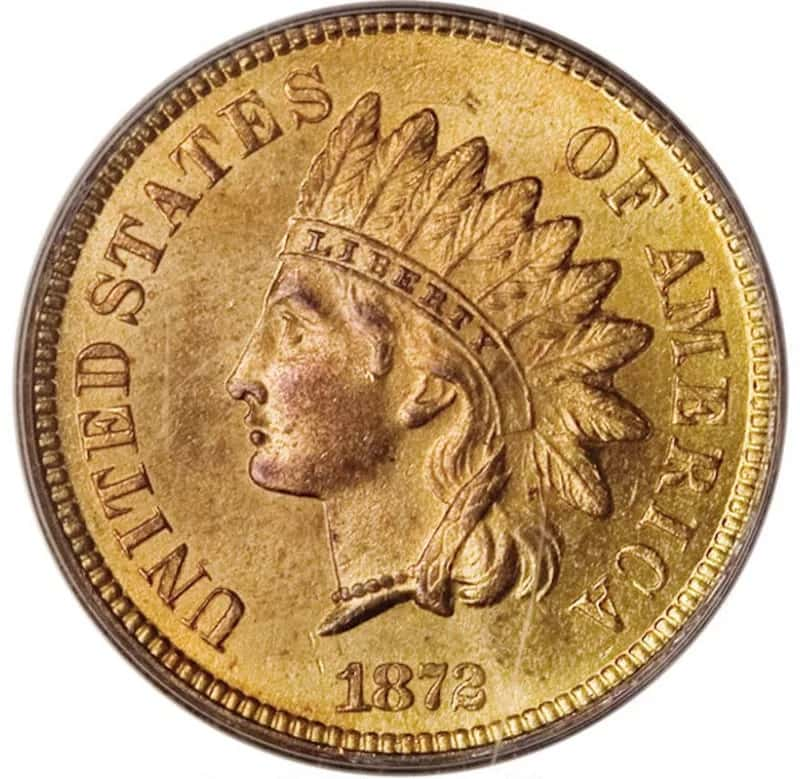
1872 Indian Head Penny Front
Over 4 million of the 1872 Indian Head penny were minted, but the quality was very inconsistent. This is the reason it is hard to find ones that were made with zero imperfections! If you happen to own one of those rare coins, you will be in for a lot of money.
1872 Indian Head Penny Front
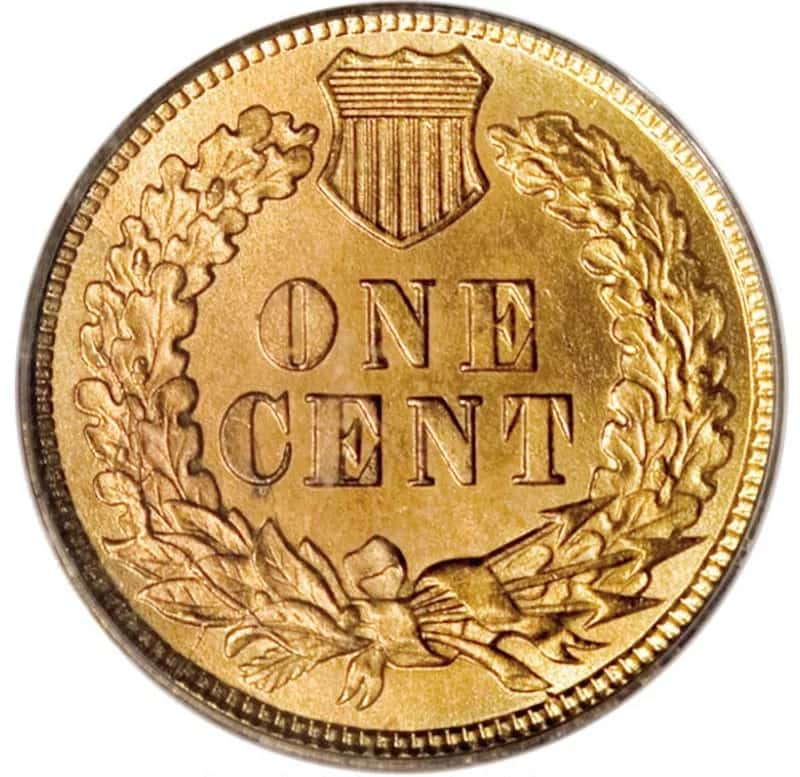
1872 Indian Head Penny Back
Take a look at this particular coin. It was not just in excellent condition, but it was also struck from a fresh die! This looks even sharper than usual for a perfect 1872 Indian Head penny. Let us find out how much it is worth. In August 2007, this coin went for $126,500 at a Heritage Auctions event in Milwaukee.
1872 Indian Head Penny Back
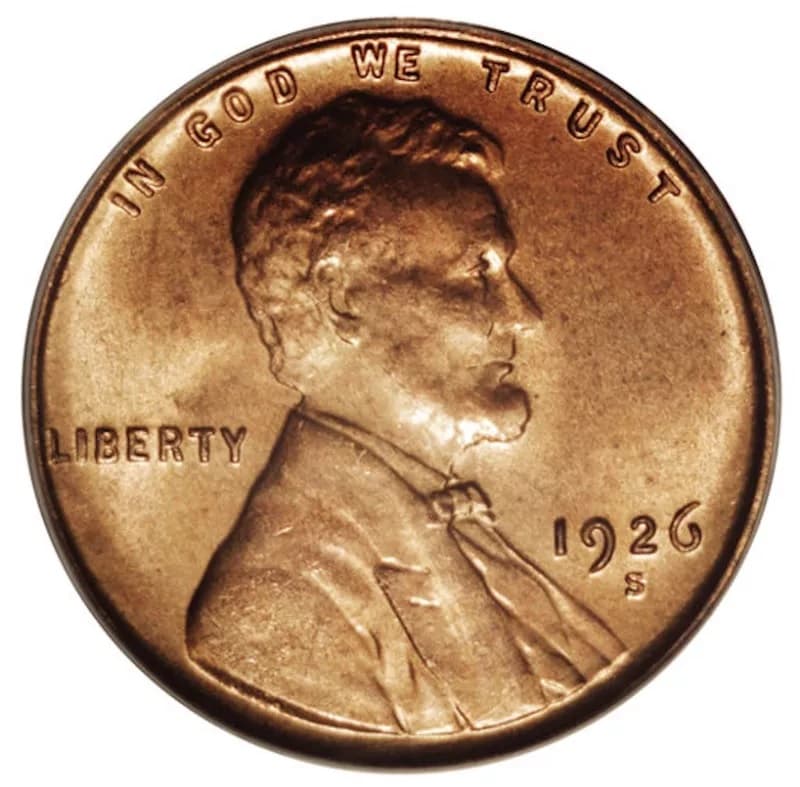
1926-S Lincoln Penny Front
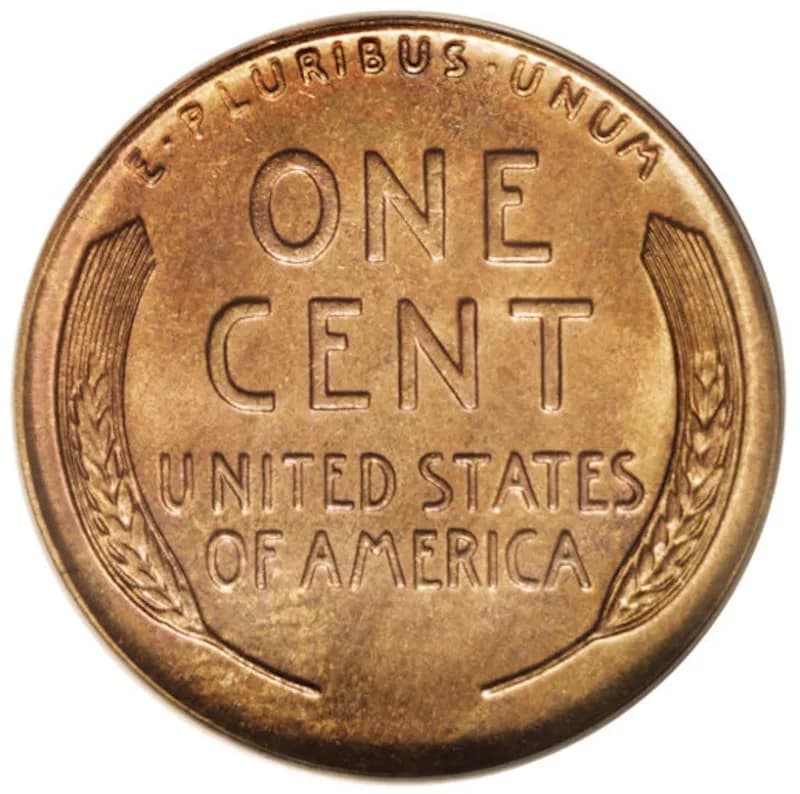
This must be one of the rarest coins that you will find on the list! Again, it weighed 3.11 grams and was made of zinc, tin, and copper. In January 2006, Heritage Auctions in Orlando auctioned off a 1926-S Lincoln Penny for $149,500. As you can see, serious coin collectors do not mess around!
1926 S Lincoln Penny Front
1926-S Lincoln Penny Back
When it comes to this particular coin, it was valuable thanks to its excellent condition. But the truth is that even those in worse condition will fetch you a huge sum of money. After all, it is said that only nine kinds of wheat pennies were made in lower quantities!
1926 S Lincoln Penny Front Back
1877 Indian Head Penny Front
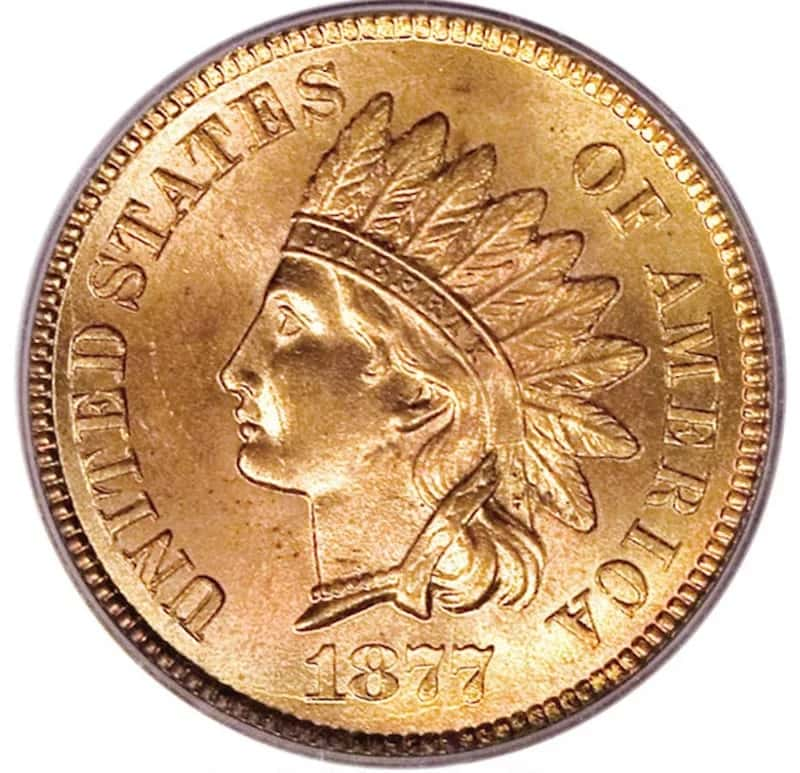
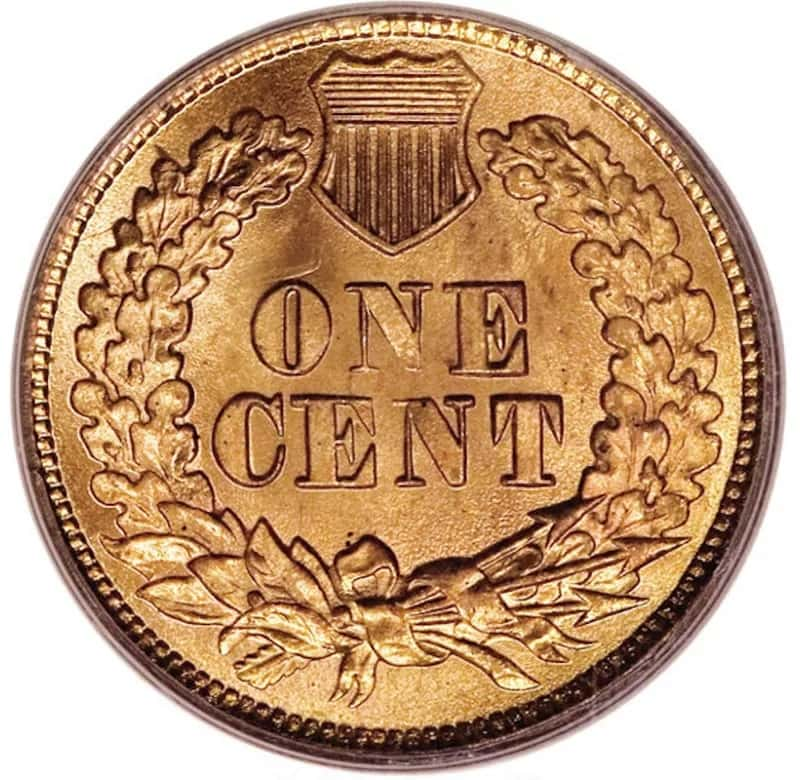
When it comes to Indian Head pennies, this one is considered the rarest of them all. As usual, the 1877 Indian Head penny weighed 3.11 grams and had a composition of copper, tin, and zinc. Do you want to see how much this particular coin is worth? Read on to find out!
1877 Indian Head Penny Front
1877 Indian Head Penny Back
In 1872, an economic slump rocked the country. This was the reason the US Mint only created 852,500 of these. In August 2007, an 1877 Indian Head penny in the original copper-red coloration went for a cool $149,500. Heritage Auctions made the sale in Milwaukee. It looks immaculate in this photo!
1877 Indian Head Penny Back
1914-D Lincoln Penny Front
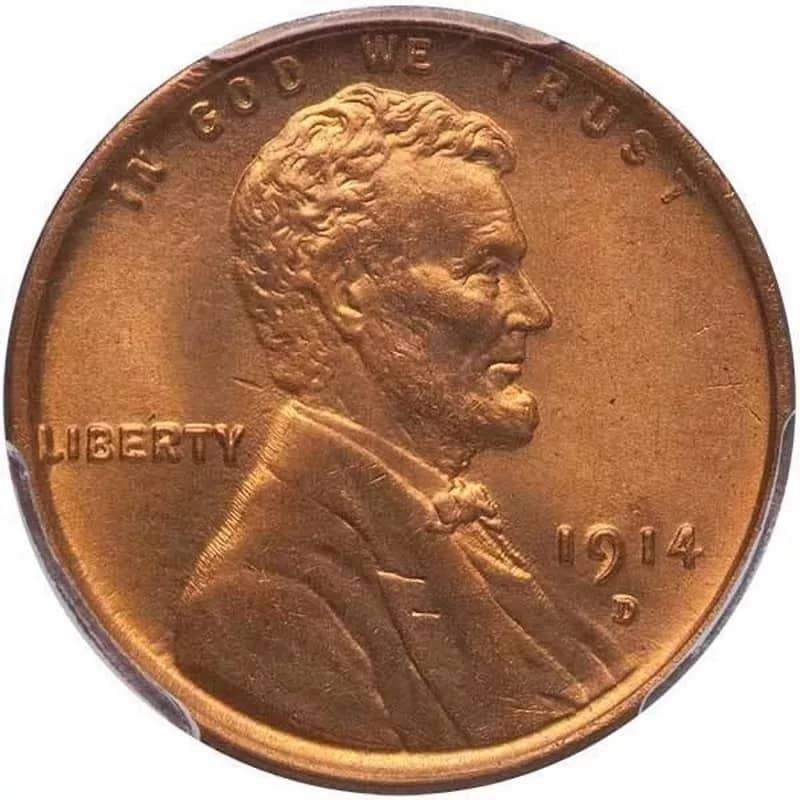
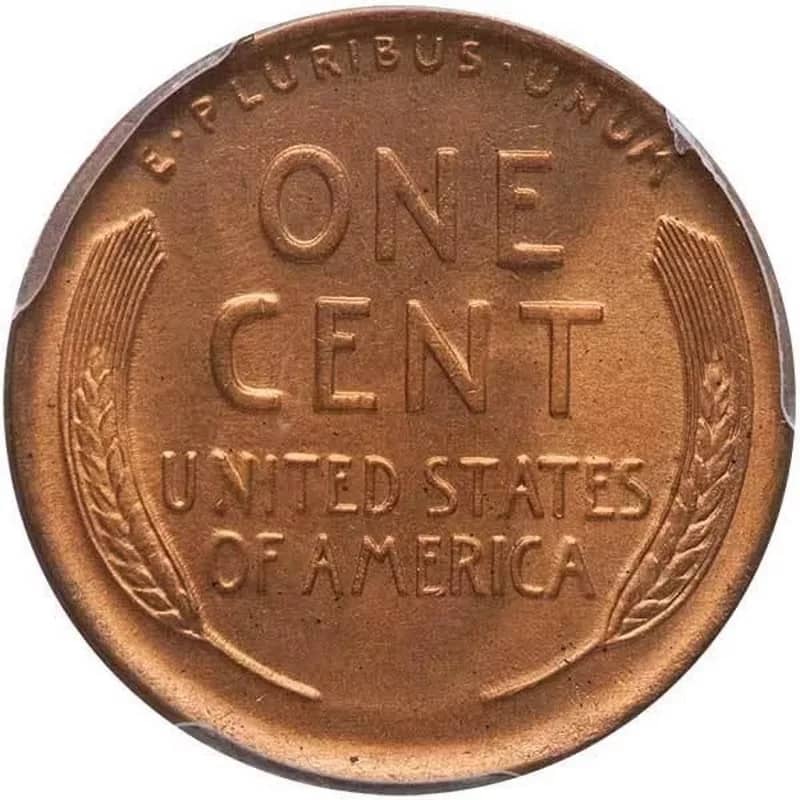
The US Mint only made a little more than a million of the 1914-D Lincoln pennies, but most of them entered the circulation. This is the reason it is complicated to find one in mint condition. Since the number of coins was on the low side for a penny, it is even more valuable than usual!
1914 D Lincoln Penny Front
1914-D Lincoln Penny Back
We recommend checking the coins you have since even ones in used condition will be worth something. You can get $125 or more for ones in less than mint condition! However, an uncirculated one is several times more valuable. In May 2018, Legend Rare Coin Auctions sold an uncirculated one for $158,625.
1914 D Lincoln Penny Front Back
1864 Indian Head Penny With ‘L’ On The Ribbon Front
The production of the Indian Head penny started in 1859. The government found it hard to find metal for coins during the Civil War. This was the reason it started using a bronze alloy instead of the original copper-nickel mix in 1864. Aside from that, an “L” was introduced to the war bonnet of Lady Liberty.
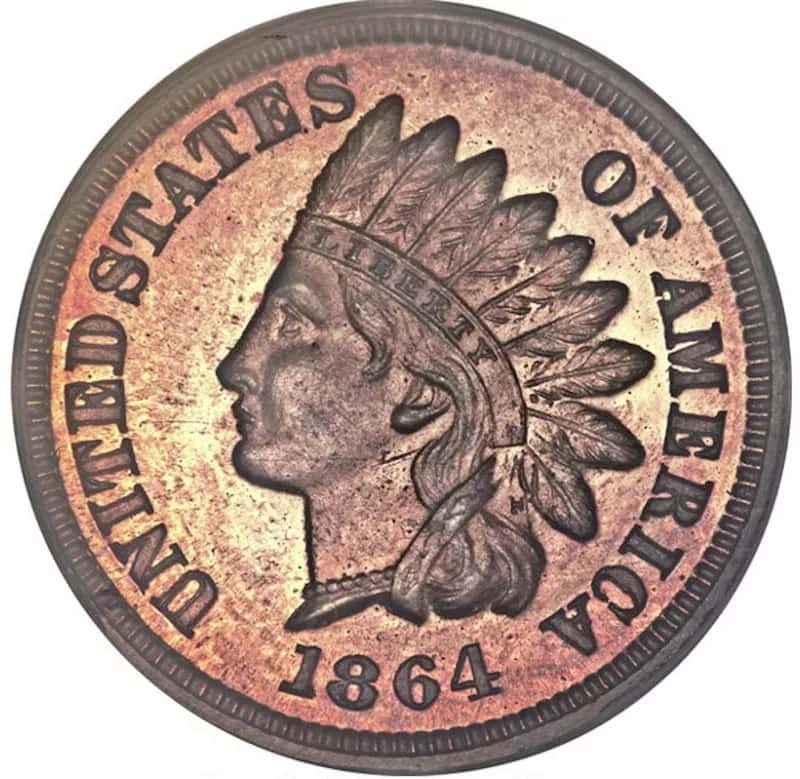
1864 Indian Head Penny With ‘L’ On The Ribbon Front
1864 Indian Head Penny With ‘L’ On The Ribbon Back
The US Mint created about 5 million of those coins. Even though this is a pretty high amount, most of them went into circulation as well. It is sporadic to find one in mint condition. In October 2011, Heritage Auctions in Pittsburgh sold an Indian Head penny with the “L” for a whopping $161,000.
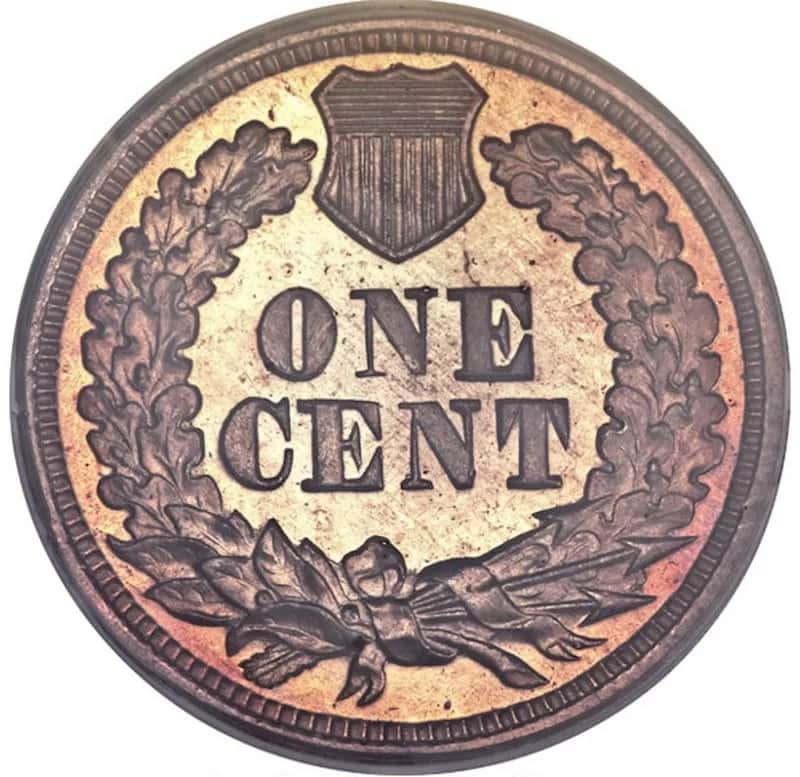
1864 Indian Head Penny With ‘L’ On The Ribbon Front Back
1856 Flying Eagle Penny Front
The price of copper in 1856 made a penny even more expensive to produce than its real value. Back then, the coin weighed 4.7 grams! At the time, the coin had a 19 mm diameter, making it nearly as big as the present-day nickel. This was the reason the U.S. Mint decided to make it smaller.
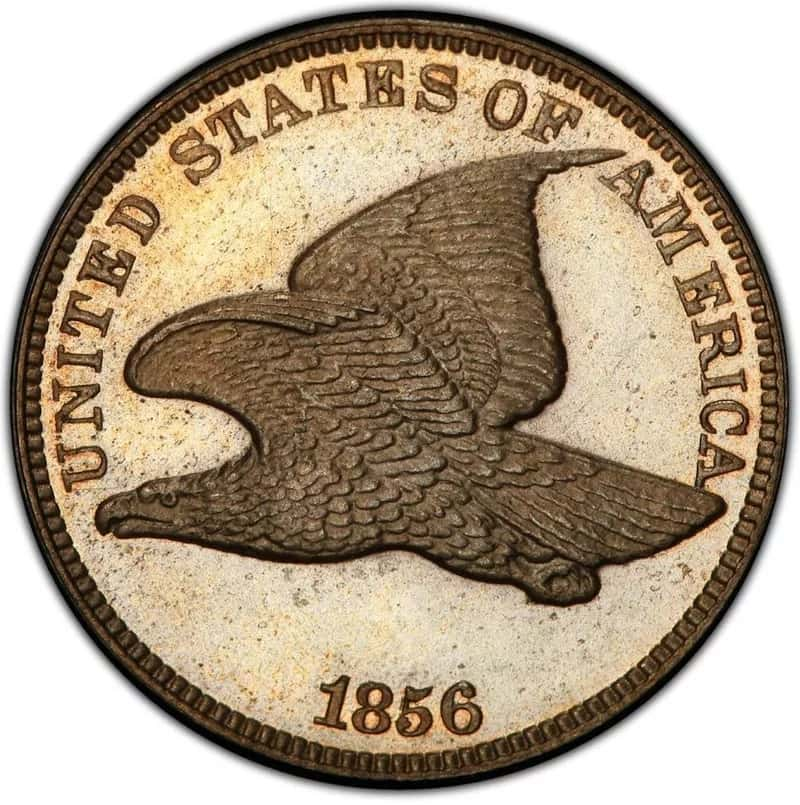
1856 Flying Eagle Penny Front
1856 Flying Eagle Penny Back
The Flying Eagle penny was only in production from 1856 to 1858. The U.S. Mint only made 2,000 of these coins in 1856, which makes those coins even rarer. In January 2004, a pristine Flying Eagle Penny from that year went for $172,500. Heritage Auctions made the sale in Orlando.
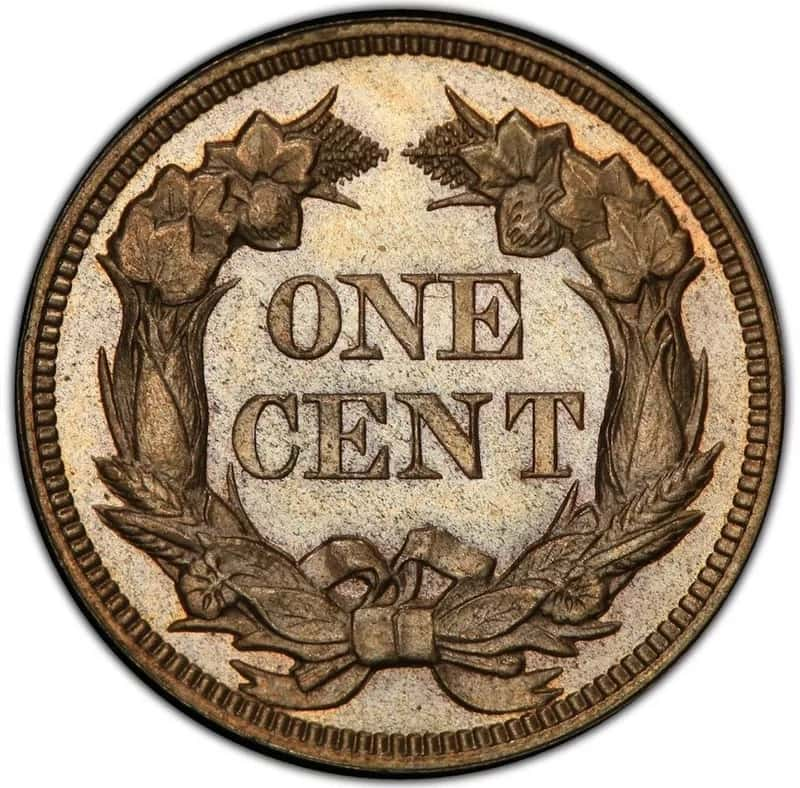
1856 Flying Eagle Penny Front Back
1943 Bronze Lincoln Penny Front
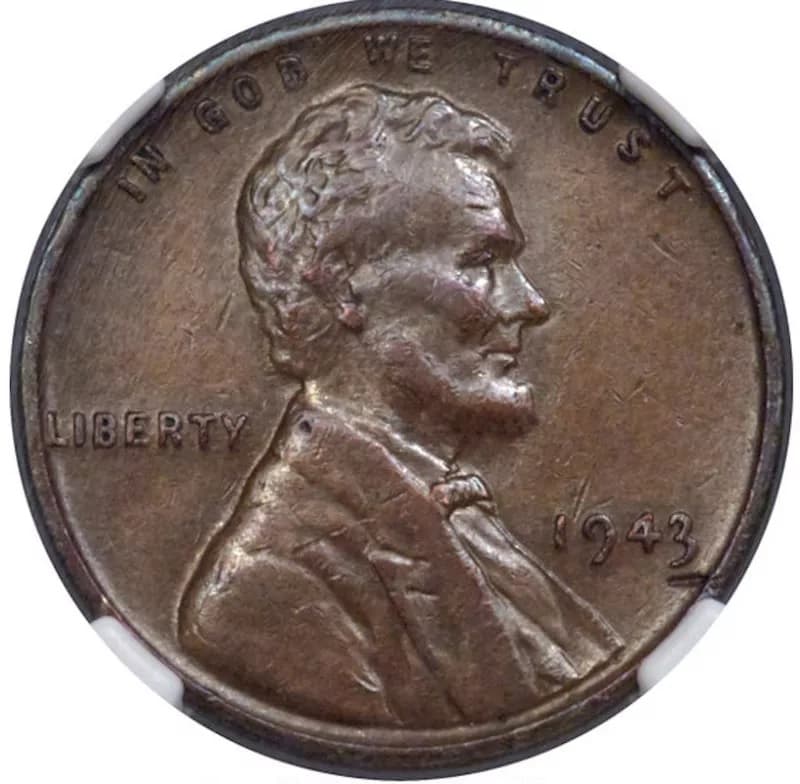
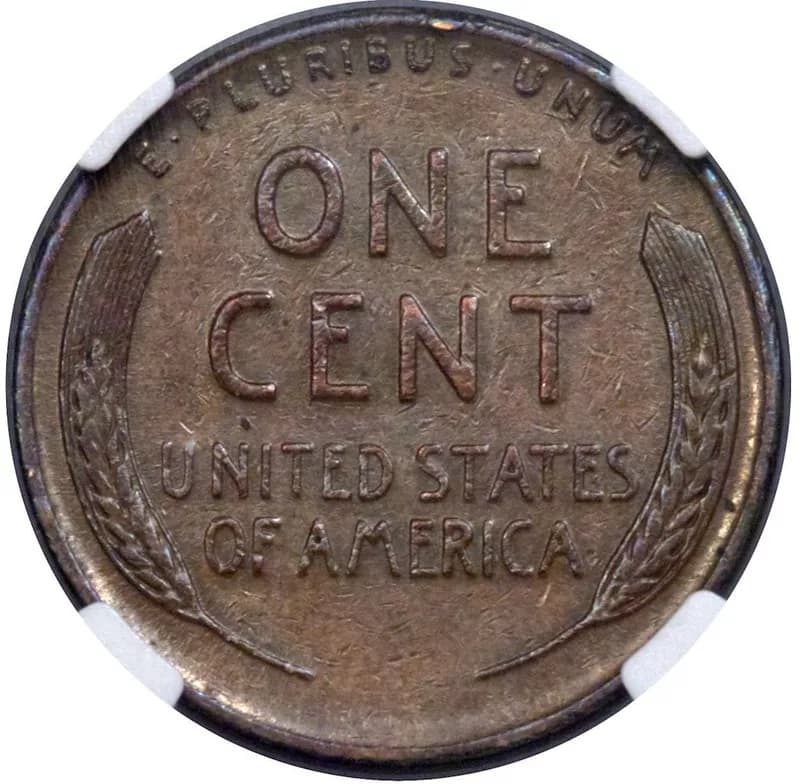
Even though the coin in the photo is not in mint condition, it does have a special distinction. After all, the U.S. Mint admitted that certain pennies had been minted in bronze by mistake that year! This was the fate of several Lincoln pennies created in 1943. Only ten to fifteen bronze coins are believed to exist.
1943 Bronze Lincoln Penny Front
1943 Bronze Lincoln Penny Back
In 1947, a teenage boy found one of these bronze coins among the change he received from his school cafeteria. In January 2019, this coin went for $204,000 at a Heritage Auctions event in Florida. Another one of these coins surfaced in January 2013. Stack Bowers Galleries sold that one for $164,000.
1943 Bronze Lincoln Penny Front Back
1909 V.D.B. Matte Proof Lincoln Penny Front
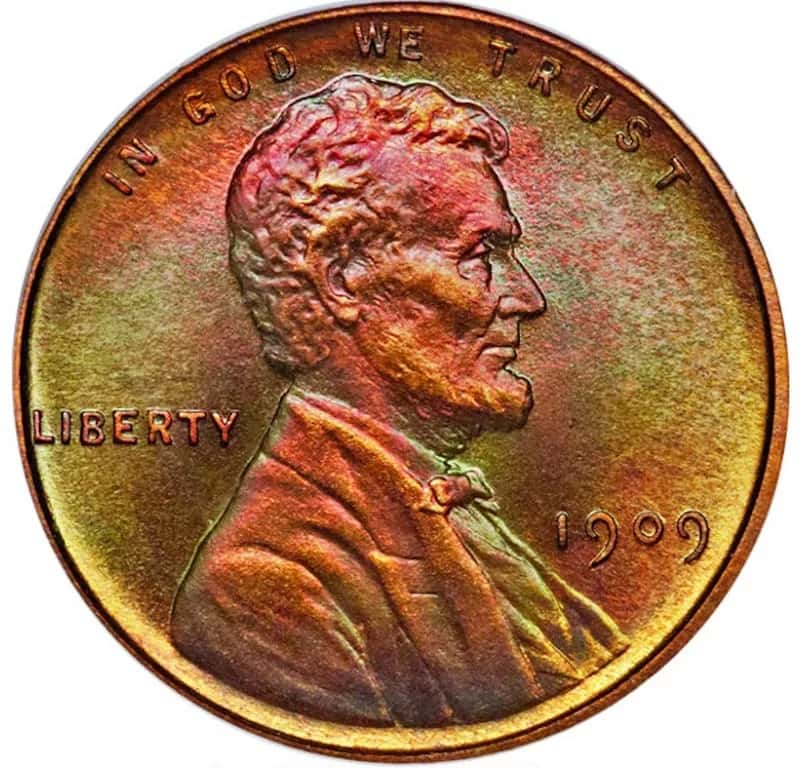
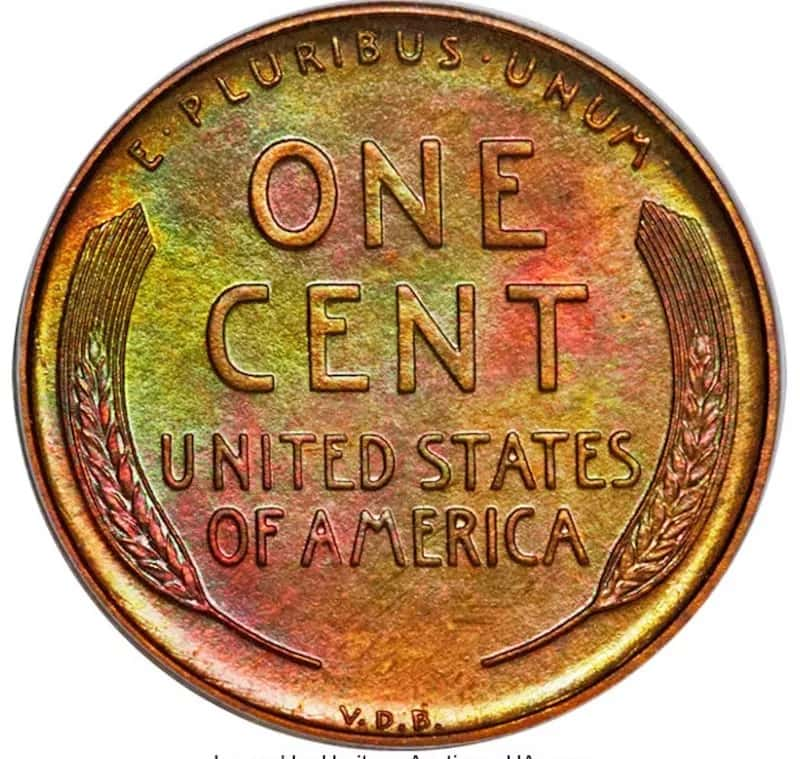
The Lincoln pennies were first introduced in 1909. They initially came with the letters “V.D.B,” which was the initials of the designer. You will find these letters on the bottom rear side. The initials were too prominent for many people, so they were eventually taken out. Over half a million ones have them.
1909 V.D.B. Matte Proof Lincoln Penny Front
1909 V.D.B. Matte Proof Lincoln Penny Back
The penny in the photo was made with a matte proof die. This method required fewer strikes when compared to a traditional die. There were only 1,194 coins struck this way before the U.S. removed the initials. Heritage Auctions in Chicago sold one in excellent condition for $258,500 in August 2014.
1909 V.D.B. Matte Proof Lincoln Penny Front Back
1943-S Lincoln Cent Front
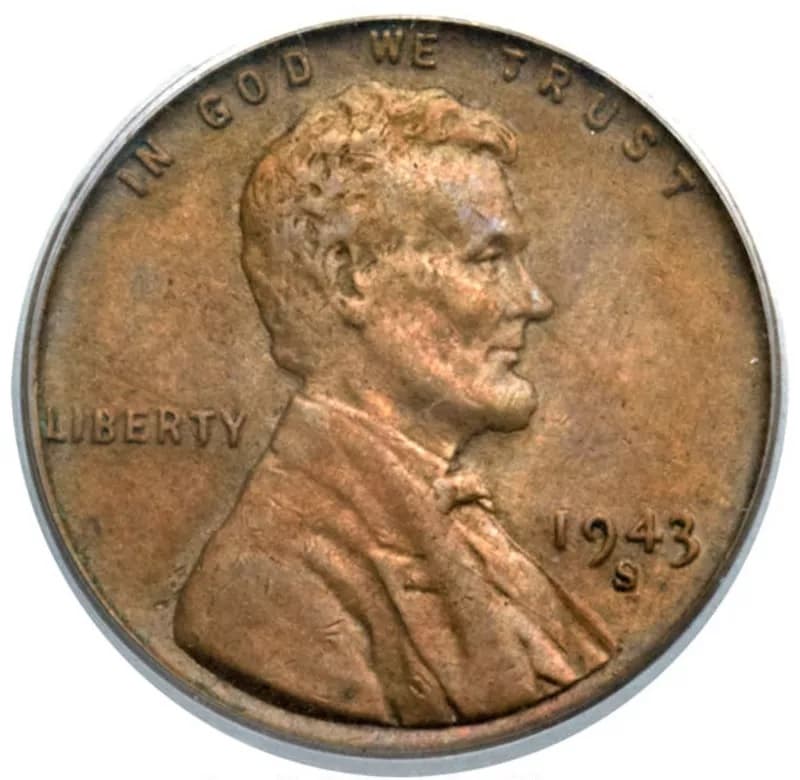
Here is another Lincoln cent from 1943 that was struck in bronze even though it was supposed to be coined on a zinc-plated steel planchet. Even from the photo alone, you can tell that this was the case! It weighed 3.11 grams, just like most of the other pennies made by the U.S. Mint.
1943 S Lincoln Cent Front
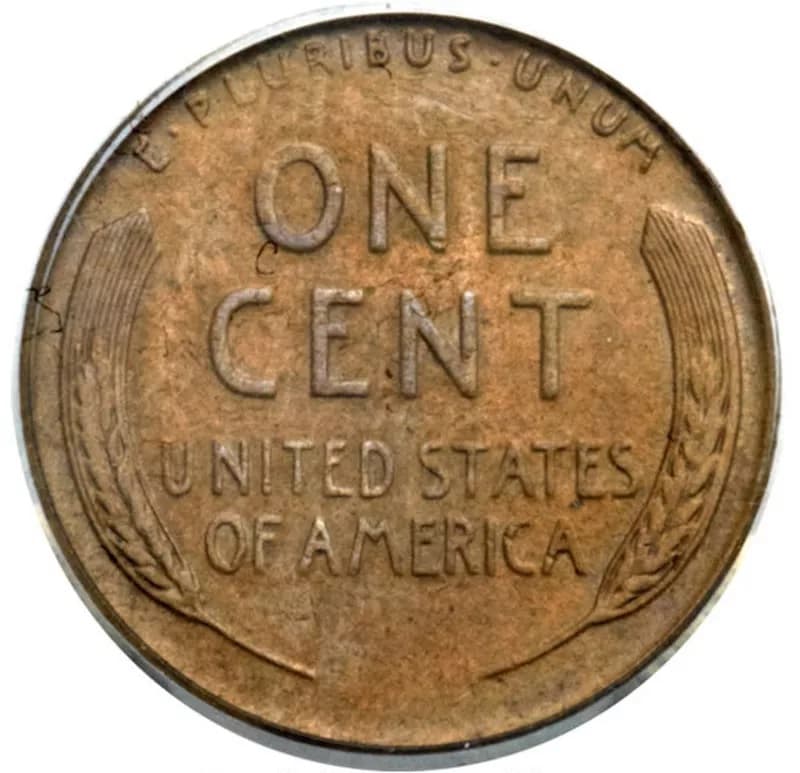
1943-S Lincoln Cent Back
At the moment, there are only six known 1943-S Bronze Lincoln cents. They were all produced in the San Francisco Mint, so they all come with the “S” designation. In February 2016, the “second-finest certified 1943-S bronze cent” was auctioned off for $282,000 by the Heritage Auctions in Long Beach, California.
1943 S Lincoln Cent Back
1958 Doubled Die Obverse Lincoln Penny Front
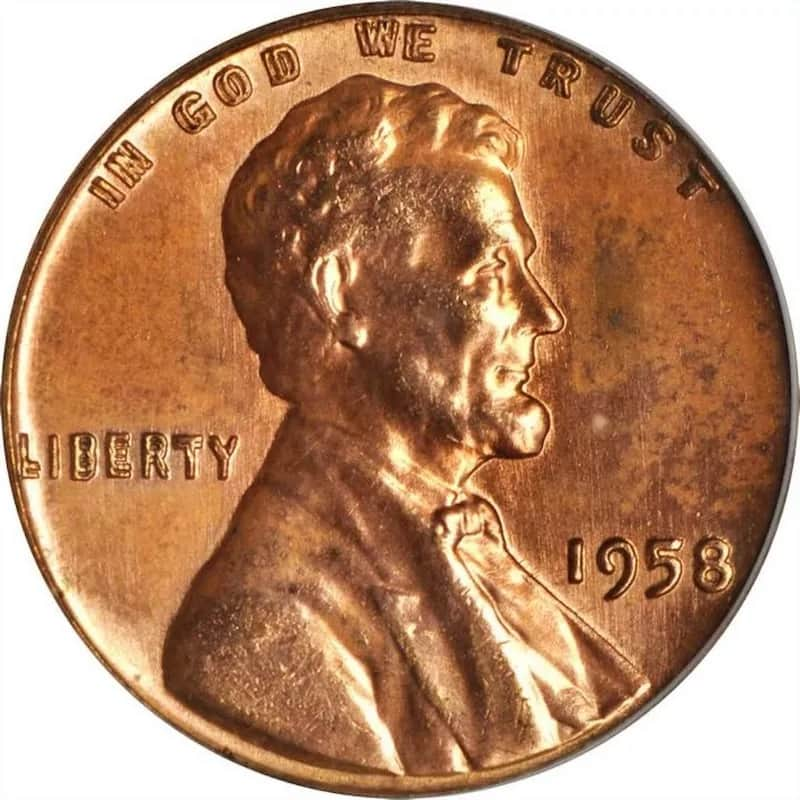
Minting errors cause double die coins. This means that a part of it looks “double.” You will see this in the wording on the face of the 1958 Double Died Observe Lincoln Penny. There are only three known examples in existence, which makes this particular coin very rare! Exactly how much is it worth?
1958 Doubled Die Obverse Lincoln Penny Front
The 1958 Double Died Observe Lincoln Penny Back
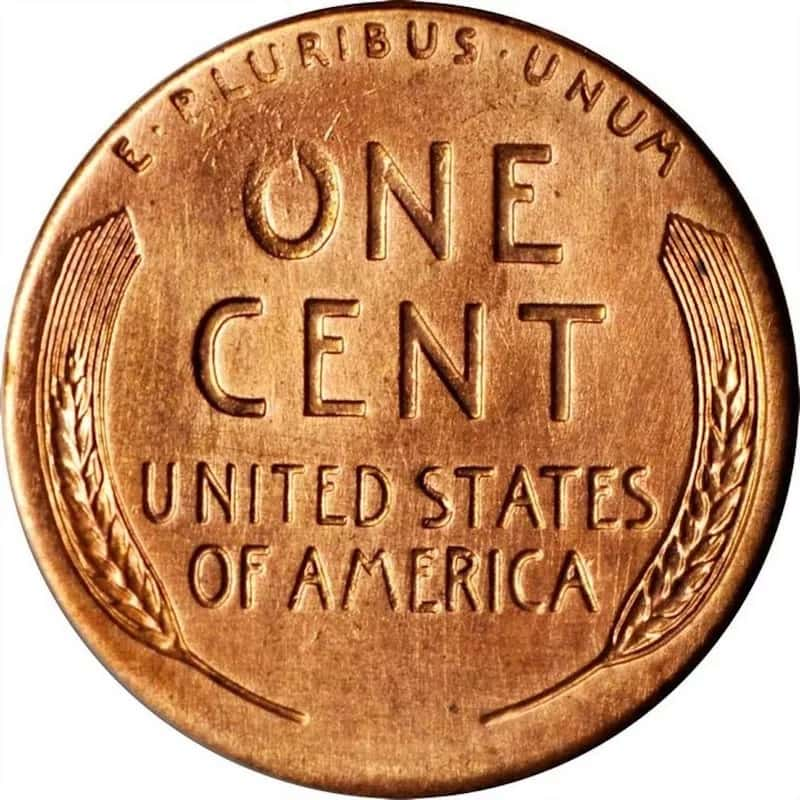
The minting error already makes this coin valuable enough as it is. However, what makes it even more valuable is its red coloration. As you can see in the photo, it looks very distinct. In March 2018, Stacks Bowers Galleries Auction sold one of these coins for $336,000 at the Baltimore Coin Show.
1958 Doubled Die Obverse Lincoln Penny Back
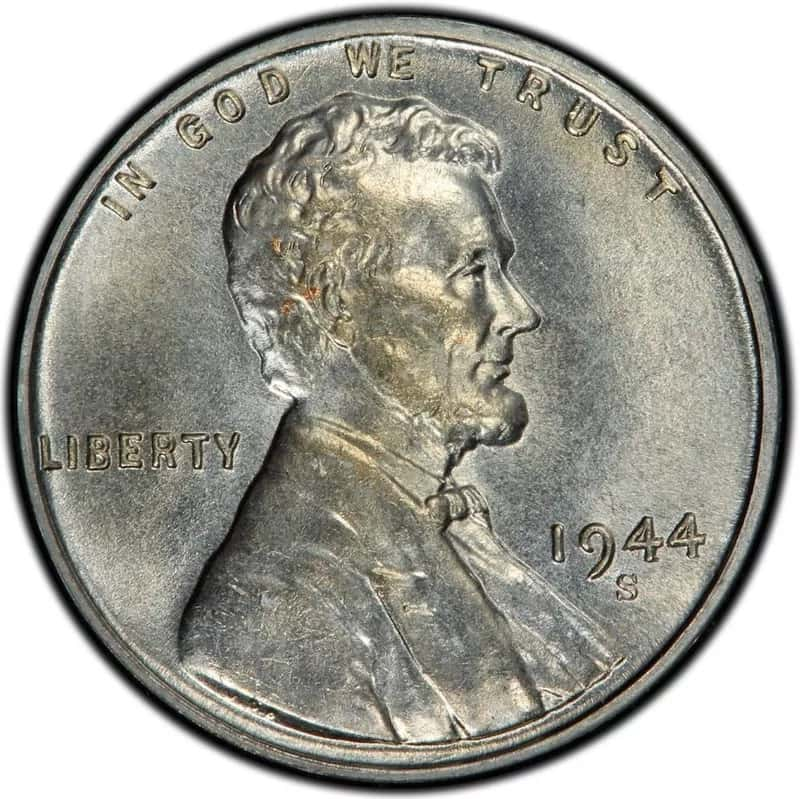
1944-S Lincoln Steel Penny Front
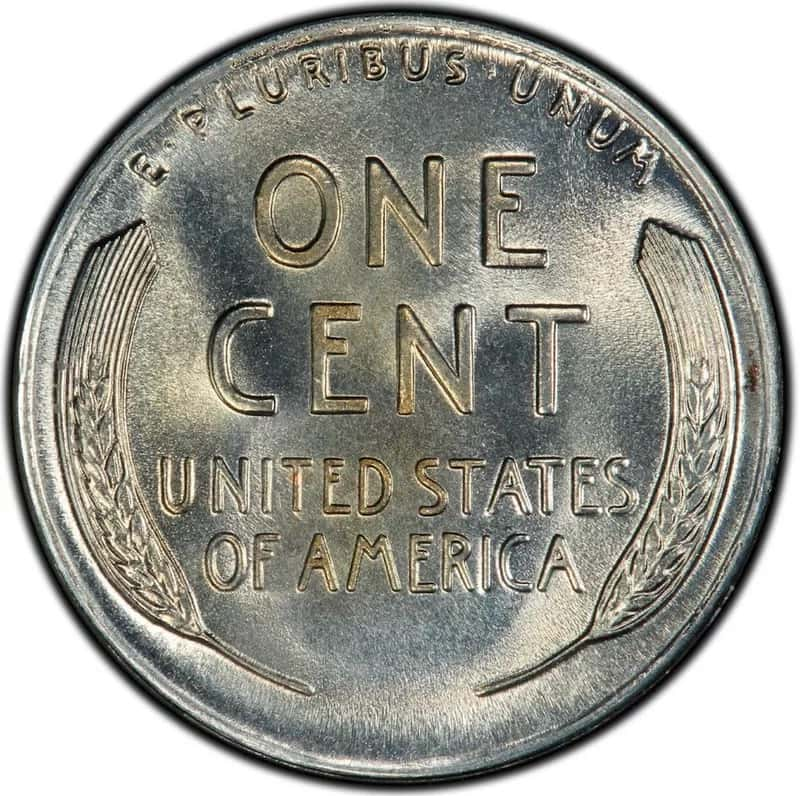
In 1944, the Lincoln pennies were supposed to be minted in the bronze alloy composed of 95 percent copper and only 5 percent in. But for some reason, zinc-plated steel planchets from the previous year made its way into the coining press! These coins weighed 2.7 grams, lighter than usual.
1944 S Lincoln Steel Penny Front
1944-S Lincoln Steel Penny Back
This error happened in all of the three mints: Philadelphia, Denver, and San Francisco. In August 2008, Heritage Auctions in Baltimore managed to sell one of these rare coins for an incredible sum of amount. The coin in question was an uncirculated made in the San Francisco mint. It went for $373,750.
1944 S Lincoln Steel Penny Back
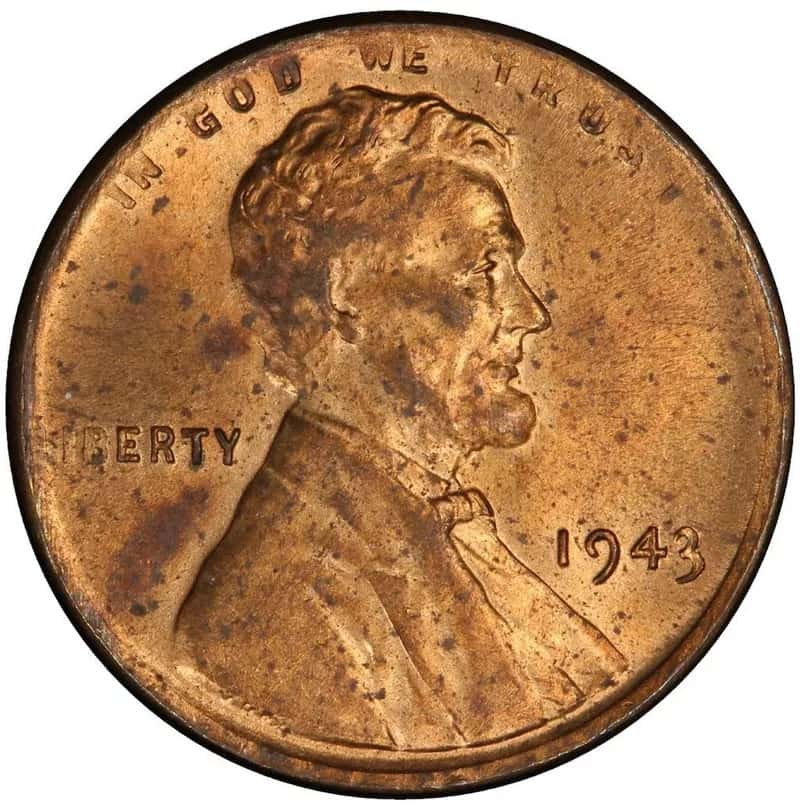
1943 Bronze Lincoln Penny Front
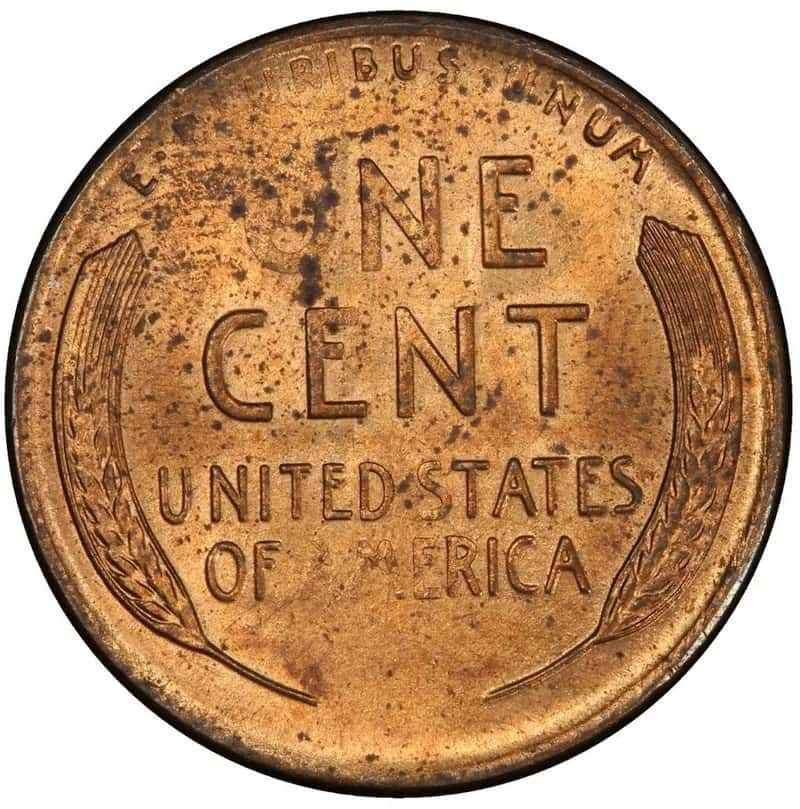
This is similar to the 1943-D Lincoln Bronze Penny because it was also minted in bronze by mistake. Even though this was not the only one made at the mint, the coin is still pretty distinguished. After all, it was the only “red” penny to be made at the Philadelphia Mint during that year!
1943 Bronze Lincoln Penny Front
1943 Bronze Lincoln Penny Back
What made this so rare is that the Philadelphia mint’s coins do not come with a mintmark. The coin in the photo was sold in a private sale in Tampa, Florida, back in 2018. We do not know the exact amount, but we know it went for more than a million bucks. Whoa.
1943 Bronze Lincoln Penny Back
1943-D Lincoln Bronze Penny Front
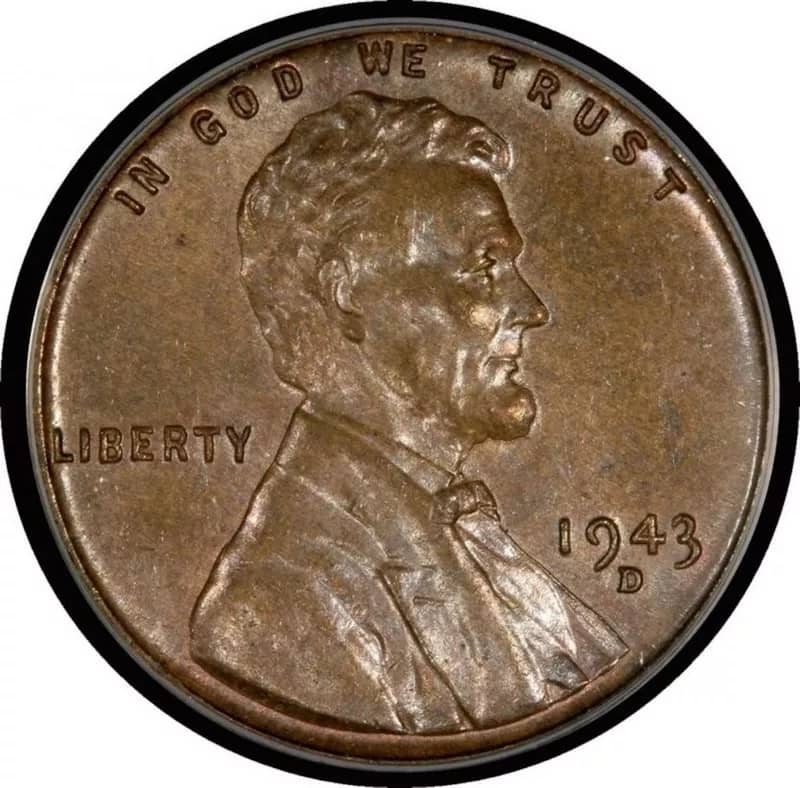
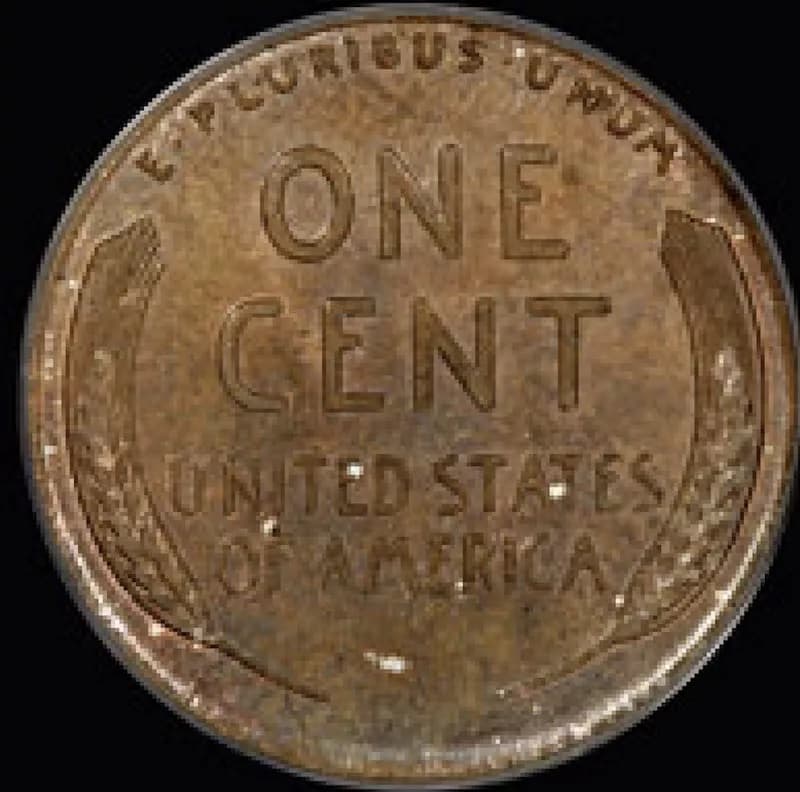
There is only one 1943-D Lincoln Bronze penny in existence. This coin was struck in bronze alloy and not in zinc-plated steel. At the time, the Second World War was going on, so the mint avoided using bronze and copper! This was the only one of its kind believed to be made in the Denver mint.
1943 D Lincoln Bronze Penny Front
1943-D Lincoln Bronze Penny Back
While there is only one recorded bronze 1943 Lincoln penny, there are as many as 20 such coins minted at the San Francisco mint. The same goes for the Philadelphia mint. At any rate, the 1943-D Lincoln Bronze penny went for a cool $1.7 million in a Legend Numismatics private sale in Lincroft, New Jersey.
1943 D Lincoln Bronze Penny Back
Always Check Your Pocket Change
The truth is that most pennies in the world are only worth a single cent. However, it turns out that some of them can rake in a lot more money than that! It is worth the hassle of going through your pocket change and checking every single one of them. Do not even think about using any of these coins if you are lucky enough to have them in possession! Collectors are willing to pay a lot of money for them.

Always Check Your Pocket Change